Woman Applying Anti-acne Product

Acne Medication: Most Common Treatments and How They Work

3 min. read
Show more

Acne is one of the most common skin conditions affecting millions worldwide, from teenagers to adults. While mild acne may clear with proper skincare, moderate to severe acne often needs medical attention and specific acne treatment medication. Understanding how these medications work can help you make informed decisions about managing breakouts effectively.

Keynotes:

  • Acne occurs when excess oil, dead skin cells, and bacteria clog pores.
  • Different types of acne medication work by targeting oil production, bacterial growth, and inflammation.
  • Treatments include topical products, oral antibiotics, retinoids, and, in some cases, strong acne medication such as isotretinoin.
  • Understanding how acne medication works can help patients use it safely and effectively.
  • Consistency, patience, and dermatologist guidance are essential for successful acne management.
Understanding Acne and Its Causes

Acne forms when hair follicles become blocked with oil (sebum), dead skin cells, and bacteria. Hormonal changes, especially during puberty, can increase oil production, making acne worse. Genetics, diet, stress, and certain medications may also trigger or aggravate acne.

The four primary causes include:

  • Excess sebum production
  • Clogged pores
  • Bacterial overgrowth (Cutibacterium acnes)
  • Inflammation

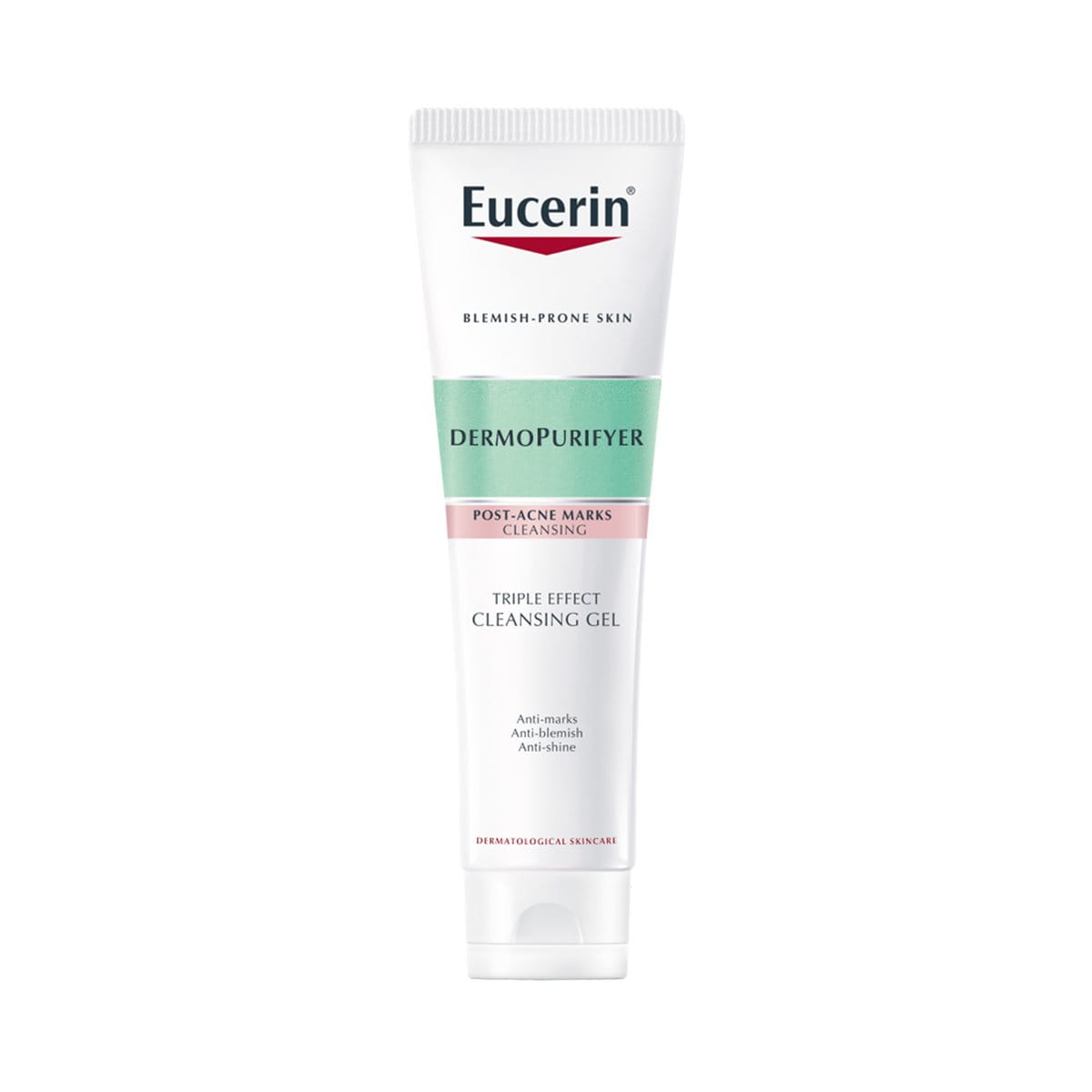
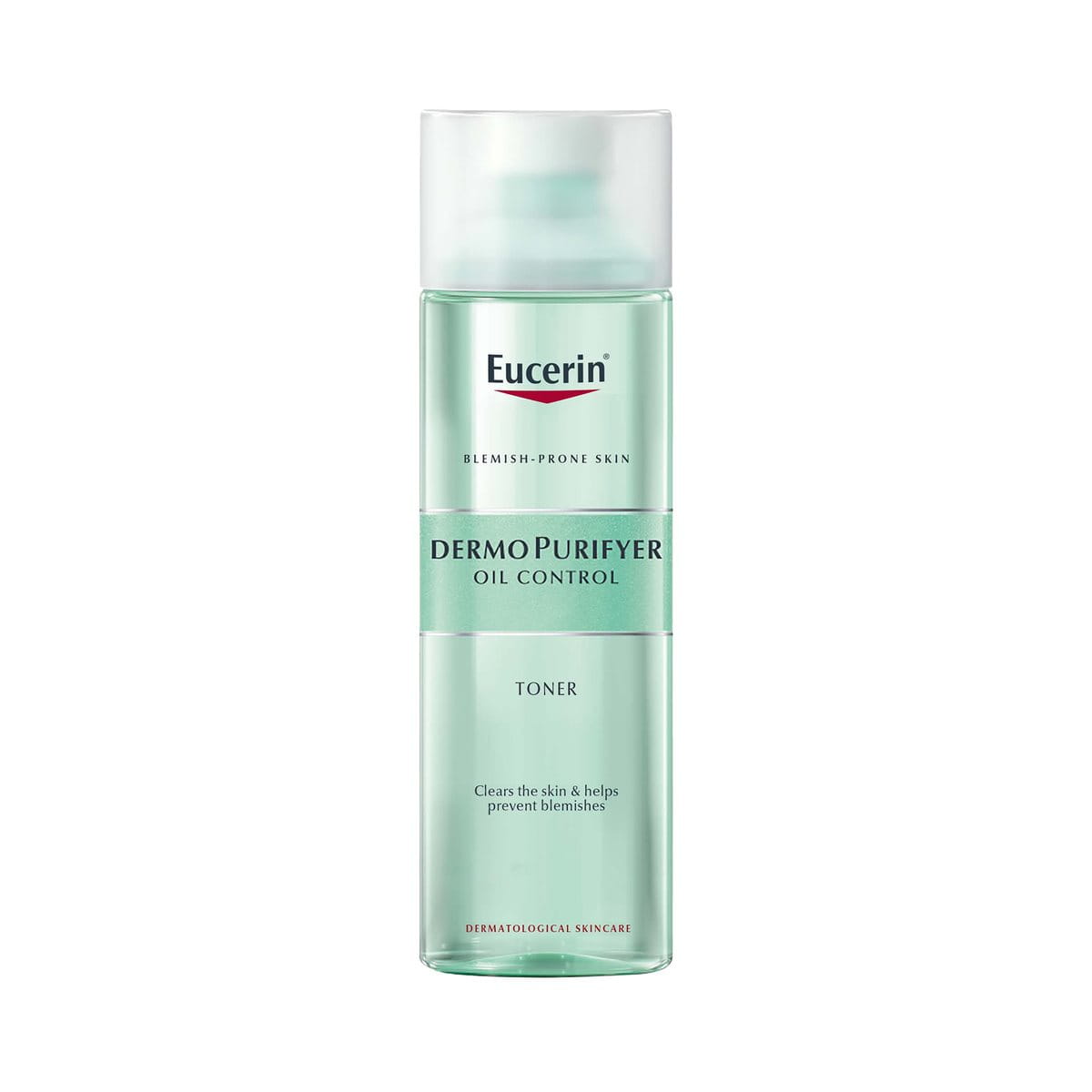
Using a gentle cleanser like the DermoPurifyer Triple Effect Cleansing Gel along with an effective DermoPurifyer Toner for oily skin may help manage oil buildup early in a skincare routine before medical treatments are introduced.

The goal of acne treatment is to target these underlying causes, reduce inflammation, and prevent scarring.

Types of Acne Medications

There are two main categories of acne medication: topical (applied directly to the skin) and oral (taken by mouth). Depending on the severity and type of acne, dermatologists may prescribe one or a combination of these.

Topical Treatments: Creams, Gels & Lotions

Topical acne treatment medication is often the first line of defense against mild to moderate acne. These products help reduce oil, unclog pores, and control bacteria.

Common types include:
  1. Benzoyl Peroxide:

    Kills acne-causing bacteria and helps clear pores. Available in gels, creams, and cleansers.
  2. Retinoids (Adapalene, Tretinoin):

    Help speed up skin cell turnover and prevent clogged pores. They also improve skin texture and reduce post-acne marks.
  3. Salicylic Acid:

    A beta hydroxy acid that exfoliates the skin, removes dead cells, and keeps pores clear.
  4. Antibiotic Creams (Clindamycin, Erythromycin):

    Used to control bacterial infection and reduce inflammation. Often combined with benzoyl peroxide for better results.
  5. Azelaic Acid and Niacinamide:

    Gentle options for those with sensitive skin. They reduce redness and lighten acne marks.
Topical acne treatment medication works best when applied consistently, usually once or twice daily, after cleansing and before moisturizing.

Oral Acne Medications: Antibiotics & Isotretinoin

When topical treatments are insufficient, dermatologists may recommend oral acne medications. These are effective for moderate to severe acne or acne affecting large body areas.
  1. Oral Antibiotics (Doxycycline, Minocycline):

    Help reduce bacteria and inflammation. Usually prescribed for short durations to avoid antibiotic resistance.
  2. Hormonal Therapy (Birth Control Pills, Spironolactone):

    Regulate hormones that cause excess oil production, particularly in women with hormonal acne.
  3. Isotretinoin (Accutane):

    A strong acne medication reserved for severe or cystic acne. It drastically reduces sebum production and shrinks oil glands. However, it requires strict medical supervision due to possible side effects.
Oral treatments are generally used in combination with topical therapies for optimal results.

Strong Acne Medications: When to Consider Them

Not all acne requires strong medication, but in cases of cystic or nodular acne, over-the-counter treatments may not suffice.

You should consider strong acne medication when:

  • Acne leaves deep scars or large cysts.
  • Topical and antibiotic treatments fail to show results.
  • Acne causes emotional distress or self-esteem issues.

Medications like isotretinoin, hormonal therapy, or a combination of antibiotics and retinoids may be used under a dermatologist’s care. These treatments work by deeply targeting the root causes, controlling oil production, reducing bacterial growth, and minimizing inflammation, ensuring long-term improvement.

How Acne Medications Work on the Skin

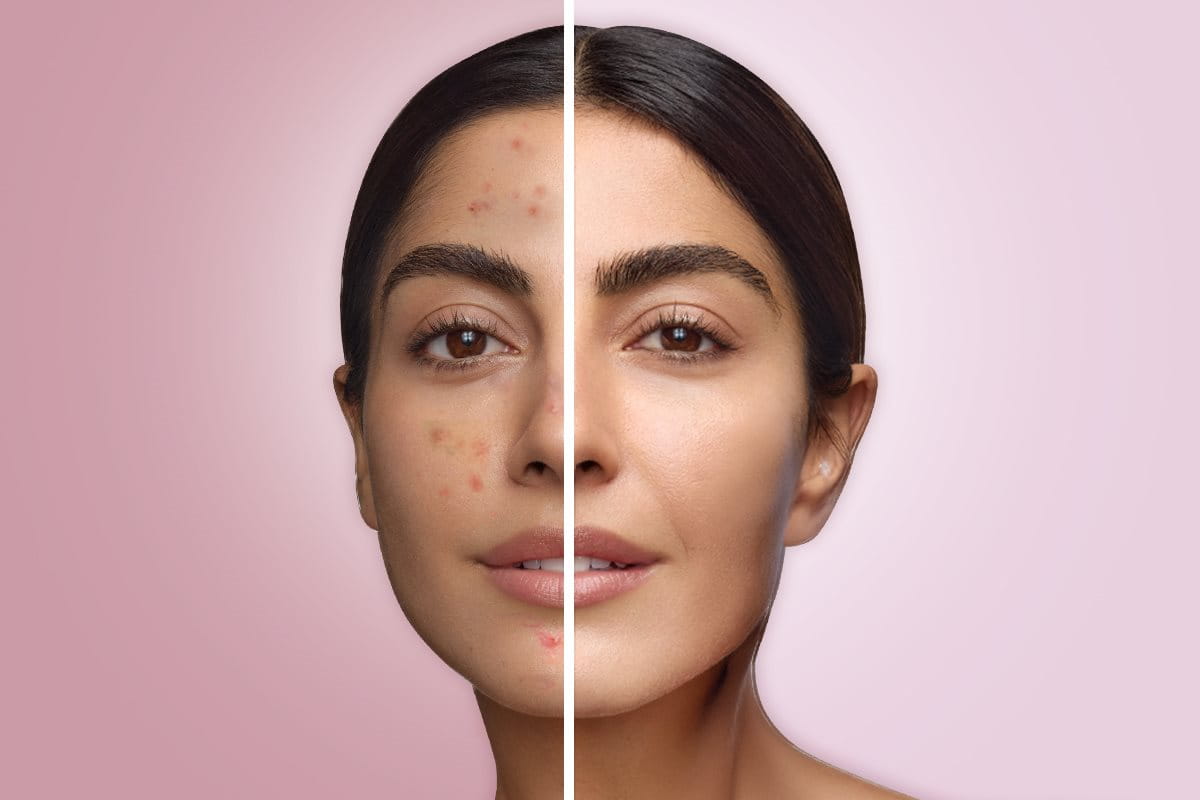
Before vs after acne treatment

Many people wonder, “How does acne medication work?” The answer lies in its multi-layered approach to tackling the main triggers of acne.

Here’s how most acne treatment formulas function:
  1. Reducing oil (sebum) production:
    Ingredients like isotretinoin or retinoids limit how much oil your glands produce.
  2. Preventing clogged pores:
    Retinoids and exfoliating acids (like salicylic acid) keep pores clean and open.
  3. Fighting bacterial growth:
    Benzoyl peroxide and antibiotics kill acne-causing bacteria, reducing breakouts.
  4. Calming inflammation:
    Many medications contain anti-inflammatory agents that reduce redness and swelling.
  5. Regenerating skin:
    Retinoids and azelaic acid promote faster cell turnover, fading acne marks and scars.
Understanding how acne medication works helps users choose the most effective combination for their skin type and severity.

Tips for Choosing the Right Acne Treatment

Choosing an acne treatment depends on several factors, including the type of acne, skin sensitivity, and treatment goals. Here are some essential tips:

  • Identify your acne type: Whiteheads, blackheads, papules, or cysts. Each may respond differently to treatments.
  • Start slow: Introduce one product at a time to avoid irritation.
  • Moisturize: Even oily or acne-prone skin needs hydration. Choose oil-free, non-comedogenic formulas.
  • Be patient: Most treatments take 6–8 weeks to show visible results.
  • Consult a dermatologist: Always seek professional advice before using strong acne medication or oral drugs.
For mild acne, topical benzoyl peroxide or salicylic acid may be sufficient. For persistent acne, your dermatologist may recommend a combined acne treatment medication plan tailored to your needs.

Conclusion

Acne can be stubborn, but with the right combination of acne medication and skincare habits, clearer skin is possible. Understanding how acne medication works allows you to choose products and routines that treat not just the symptoms, but also the underlying causes.

Whether you start with topical creams or need stronger prescriptions, patience and consistency remain key. Always consult a dermatologist before starting any new acne treatment, and remember, the goal is long-term skin health, not overnight perfection.


FAQs:

  1. What is the most effective acne medication for severe breakouts?

    For severe or cystic acne, isotretinoin is considered the most effective strong acne medication. It targets all major causes of acne, but must be used under strict medical supervision due to potential side effects.
  2. How does acne treatment medication work on oily and sensitive skin?

    Acne treatment medication for oily and sensitive skin works by controlling oil production and minimizing inflammation. Formulas containing niacinamide, azelaic acid, or low-strength retinoids are gentle yet effective options.
  3. When should you consider using strong acne medication?

    You should consider strong acne medication if over-the-counter products and topical prescriptions fail to clear acne or if you experience frequent cystic breakouts that lead to scarring.

Sources:

  • mayoclinic.org - Acne
  • nih.gov - The relationship of diet and acne