Anti-Aging Foods for Healthy and Youthful Skin

5 min. read
Show more

Our elders have solemnly hammered one truth into our brains that healthy, youthful skin is not solely achieved through topical skincare products; it begins from within. The foods we consume play a pivotal role in determining how our skin ages over time. A nutrient-rich diet filled with anti-aging food, antioxidants, vitamins, and essential fatty acids can potentially delay visible signs of aging, such as fine lines, dullness, and loss of elasticity.

If you too are on the journey to maximize your youthful complexion, then it is integral to understand the relationship between nutrition and skin health. Follow along as we highlight the foods that fight aging along with essential dietary practices that promote skin rejuvenation to support healthier, radiant skin for years to come.

Keynotes:

  • Choosing anti-aging foods packed with nutrients and antioxidants can create a powerful defense against oxidative stress and help maintain youthful skin.
  • A well-structured anti-aging diet should emphasize variety, ensuring that you consume a balance of fruits, vegetables, lean proteins, and healthy fats to promote skin repair and vitality.
  • The sustainable anti-aging meal plan should also limit processed options and high-sugar foods for long-term skin health and overall well-being.
  • You may combine an anti-aging diet with positive lifestyle choices, such as staying hydrated, exercising regularly, and getting sufficient rest, to create a comprehensive approach to preserving skin's youthfulness and resilience.

Why Diet Matters for Skin Aging

The connection between diet and skin health is more profound than you might expect. Skin aging is characterized by decreased collagen production, increased oxidative stress, and inflammation, which are caused by both intrinsic and extrinsic (environmental and lifestyle) factors. While intrinsic aging follows a genetically predetermined timeline, extrinsic factors significantly modulate how these processes manifest. Among these, diet is a part of the few modifiable elements that may significantly impact how the skin ages.

At a cellular level, reactive oxygen species (ROS) generated by normal metabolism and environmental exposures cause continuous damage to the lipid membranes, proteins, and DNA within skin cells. This oxidative burden accelerates the breakdown of structural proteins and impairs the function of fibroblasts, the cells that produce collagen and elastin.

Consuming nutrient-dense anti-aging food, in turn, can influence molecular pathways involved in collagen formation, elastin preservation, and oxidative defense. For instance, a balanced diet rich in antioxidants, like vitamins C and E, polyphenols, and carotenoids, may help neutralize free radicals that accelerate cellular damage. Meanwhile, omega-3 fatty acids from certain plant and marine sources support your skin's lipid barrier, keeping it hydrated and flexible.

Conversely, eating too many refined sugars and processed foods can contribute to the formation of advanced glycation end-products (AGEs). AGEs stiffen collagen fibers and accelerate the appearance of wrinkles. Furthermore, deficiencies in micronutrients, especially zinc, selenium, and B vitamins, can further compromise your skin's barrier function and cellular repair mechanisms. Therefore, building your anti-aging diet on a foundation of nutrient-dense, whole foods can be the right approach you need to potentially slow down the visible signs of skin aging from the inside out.

Top 10 Anti-Wrinkle Foods to Eat

Incorporating specific foods into your daily diet may contribute to a more youthful and vibrant complexion. The focus should be on nutrient-dense options that support collagen production, protect against oxidative damage, and reduce inflammation. While no single food is a magic bullet, a consistent intake of the following options may yield noticeable improvements over time. Below are the 10 anti-wrinkle foods to eat that are scientifically recognized for their potential benefits to skin health.

Fruits for Anti-Aging and Skin Repair

  1. Berries: Blueberries, strawberries, and raspberries are packed with antioxidants, particularly anthocyanins, which may protect against free radical damage.
  2. Avocados: Rich in healthy fats, vitamin E, and vitamin C, avocados may support skin hydration and collagen production.
  3. Pomegranates: This fruit contains potent antioxidants that may help protect against environmental stress and promote skin repair.
  4. Citrus Fruits: Oranges, grapefruits, and lemons are excellent sources of vitamin C, an essential nutrient for collagen synthesis.
  5. Papaya: Contains papain enzyme and antioxidants that promote cellular turnover and may reduce dullness.

Foods That Reverse Aging Effects

  1. Green Tea: Rich in epigallocatechin gallate (EGCG), a powerful antioxidant that may protect against UV damage and reduce inflammation.
  2. Fatty Fish (Salmon, Mackerel, Sardines): These fish are rich in omega-3 fatty acids, which may help reduce inflammation and support skin hydration.
  3. Nuts (Almonds, Walnuts): Provide vitamin E and essential fatty acids that support cellular membrane stability.
  4. Leafy greens (spinach, kale): Offer lutein, folate, and beta-carotene, which are vital for dermal repair and hydration balance.
  5. Sweet Potatoes: A carotenoid-rich source (especially beta-carotene) that converts to vitamin A, supporting epidermal regeneration.

These foods that reverse aging may not completely stop the biological process of aging but can play a preventive and restorative role when consumed consistently as part of a balanced diet.

The Anti-Ageing Diet for Youthful Skin

The cornerstone of an effective anti-aging diet is variety and balance. It is important to note that a reverse aging diet focuses on providing the body with the nutrients it needs to repair damage, reduce inflammation, and support collagen production.

This typically involves prioritizing whole, unprocessed foods rich in vitamins, minerals, and antioxidants. A plant-based approach, emphasizing fruits, vegetables, and whole grains, is often beneficial, alongside lean protein sources, adequate water intake and healthy fats. The right diet not only delivers essential nutrients but also supports overall health, creating a foundation for youthful skin.

Building a Reverse Aging Meal Plan

An effective reverse aging diet should include a variety of food groups that work synergistically. A typical daily plan may include:

  • Breakfast: Start your day with a breakfast rich in antioxidants and healthy fats, such as a bowl of oatmeal topped with fresh berries and chia seeds for antioxidants and omega-3s. A mid-morning option could also feature vegetable sticks with hummus, providing fiber, plant protein, and anti-inflammatory compounds.
  • Lunch: Your midday meal could center on a leafy green salad with grilled salmon, tomatoes, avocado, and olive oil dressing, combining omega-3s, lycopene, vitamin E, and polyphenols.
  • Snack: Evening nutrition can include green tea alongside a small portion of dark chocolate, delivering catechins and flavonoids.
  • Dinner: Dinner could feature lean protein such as chicken or tempeh with roasted vegetables and sweet potato, ensuring adequate protein, fiber, sulforaphane, and beta-carotene intake.

*Always consult a nutritionist who can help you chalk out an appropriate plan for your dietary needs.

Apart from these, one should also ensure optimal water intake, as it aids in maintaining skin turgor, nutrient delivery and toxin elimination.

Your meal planning should emphasize variety across the week, rotating different colored vegetables, varying protein sources, and incorporating diverse anti-aging food options to maximize the spectrum of protective compounds consumed.

Lifestyle Tips to Support Anti-Aging Nutrition

Diet alone cannot optimize skin health without supportive lifestyle practices. While nutrition plays a vital role in skin health, it's crucial to complement your anti-aging food intake with other lifestyle factors, like:

  1. Aim to drink at least eight glasses of water daily to maintain skin elasticity and prevent dryness. Prioritize sufficient sleep, as it allows the body to repair and regenerate skin cells.
  2. Manage stress through relaxation techniques, such as yoga or meditation. These may potentially reduce inflammation and protect against premature aging.
  3. Limit exposure to environmental pollutants, which can accelerate skin damage.
  4. Ensure regular, moderate physical activity, as it can improve circulation and dermal blood flow, improving nutrient and oxygen delivery to skin tissues.
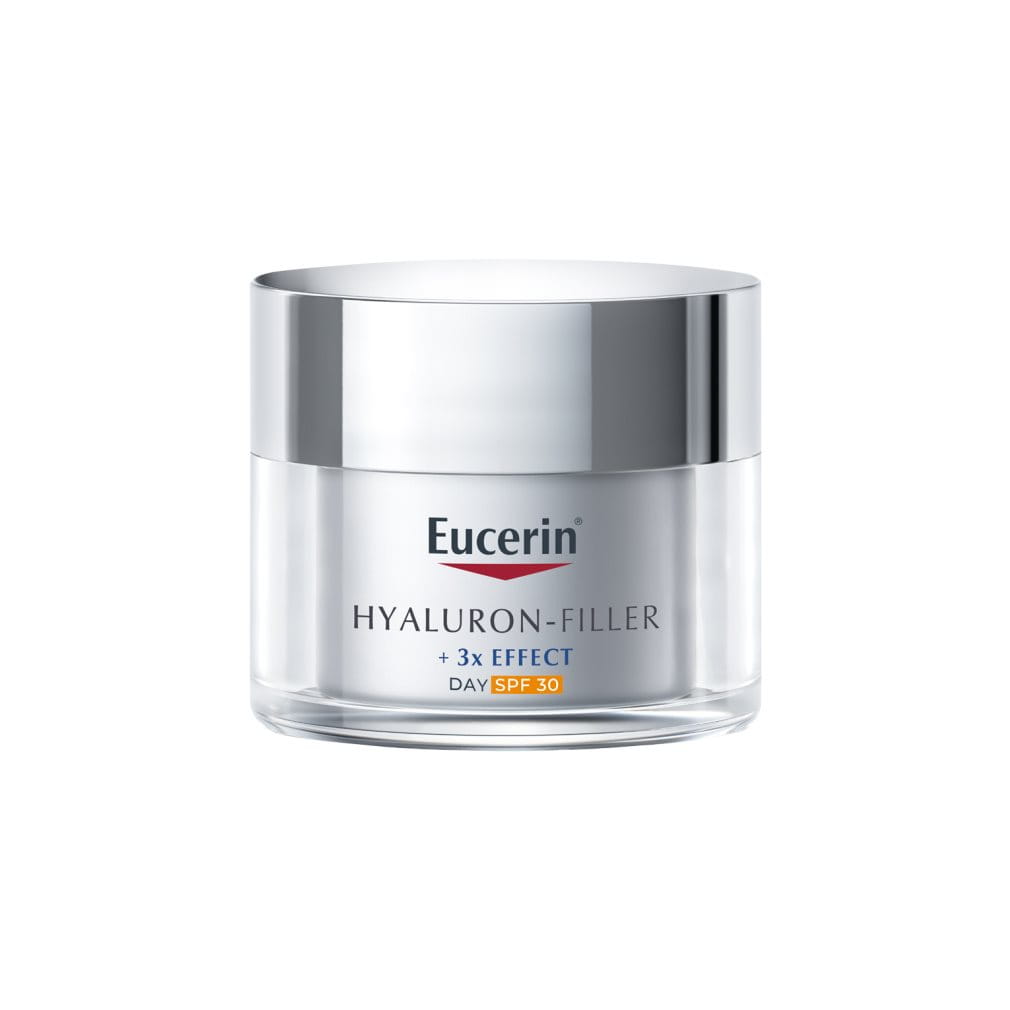
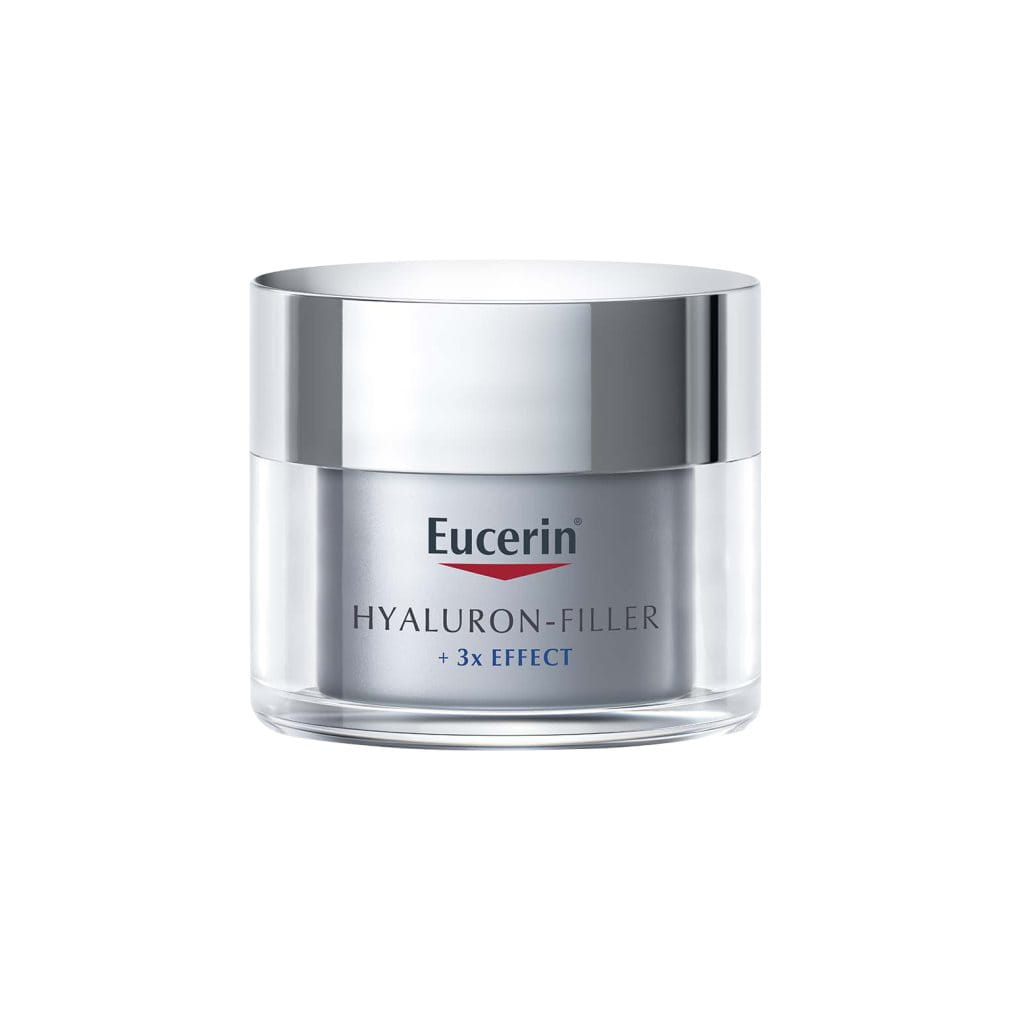
  5. Include skin barrier boosting products like Eucerin Hyaluron range or Hyaluron-Filler Moisture Booster Face Gel in your skincare routine to promote radiance and hydration.
  6. Protect your skin from excessive sun exposure with the use of sunscreen, since it safeguards your skin against photodamage that accelerates collagen degradation consider long-lasting protection like Sun Face Hydro Protect Ultra-Light Fluid SPF50+.

By adopting a holistic approach that integrates nutrition with other positive lifestyle choices, you may significantly enhance your skin's resilience and maintain a youthful appearance.

For deeper understanding of maintaining youthful skin, explore:

Conclusion

Healthy, youthful skin is a reflection of consistent nourishment that extends beyond topical creams and procedures. While genetics set the foundation, diet and lifestyle determine how gracefully one ages. Incorporating fruits for anti-ageing, omega-rich foods, and antioxidants can potentially decelerate collagen breakdown and oxidative stress.

While incorporating these foods that reverse aging may not completely reverse the aging process, they may contribute to a healthier, more radiant complexion over time. Embrace a holistic approach, combining mindful nutrition with healthy lifestyle habits, and complementing them with scientifically backed skincare options such as those from Eucerin Skincare products to unlock the secrets to lasting beauty and well-being.

FAQs:

  1. What are the best anti-aging foods for skin health?

    The best anti-aging food options include blueberries, salmon, avocado, spinach, and nuts. These foods are rich in antioxidants, omega-3 fatty acids, and vitamins that may support collagen synthesis and maintain hydration, helping skin appear firm and radiant over time.
  2. Which fruits for anti-aging help reduce wrinkles?

    Fruits rich in vitamin C, antioxidants and hydration like citrus fruits, berries, papaya, kiwi and pomegranate, are rich in vitamin C and polyphenols that may promote collagen formation and protect against oxidative stress, reducing visible wrinkles and supporting smoother skin texture.
  3. What is the best anti-aging diet to reverse skin aging?

    A balanced reverse aging diet emphasizes antioxidant-rich fruits, whole foods, fiber, leafy greens, omega-3 fatty acid sources, lean proteins and adequate hydration. These components work together to promote skin elasticity, moisture retention, cell turnover and overall skin health.

Sources

  • Mdpi - Enhancing Skin Anti-Aging through Healthy Lifestyle Factors
  • Sciencedirect - Nutrition and youthful skin
  • nih.gov - The Role of Functional Foods in Cutaneous Anti-aging
  • nih.gov - Diet and Skin Aging—From the Perspective of Food Nutrition
  • nih.gov - Avocado Consumption Increased Skin Elasticity and Firmness in Women ‐ A Pilot Study
  • nih.gov - Recent Research on the Health Benefits of Blueberries and Their Anthocyanins