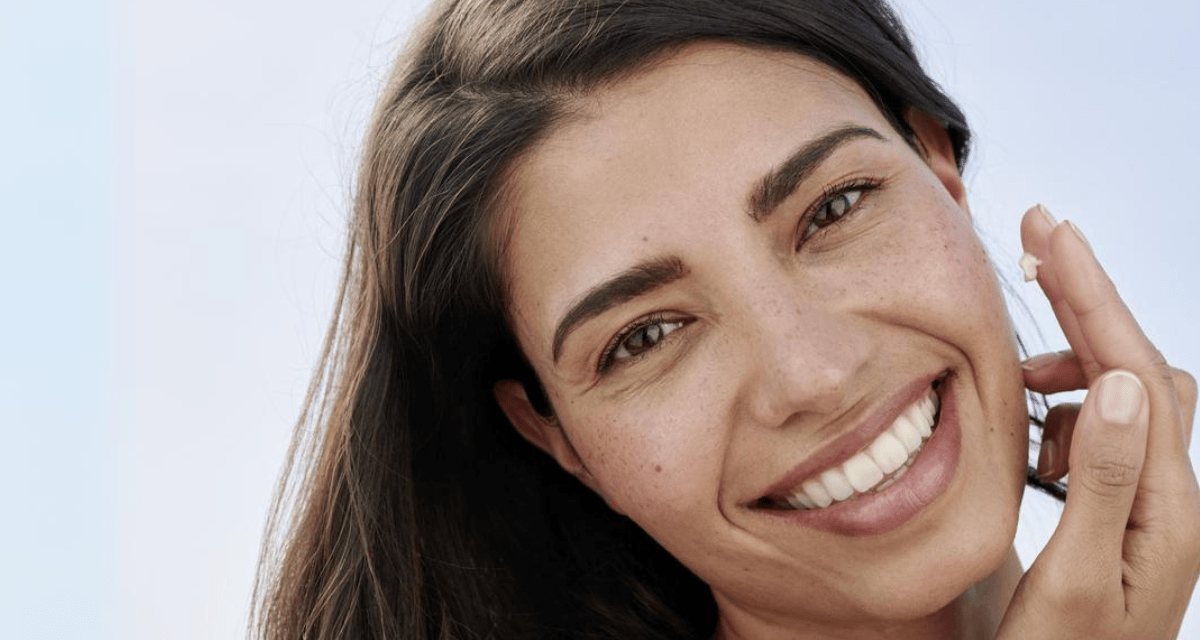
Women Posing for Eucerin

How Skin Ages and the Best Ways to Care for It

6 min. read
Show more

We all desire healthy, radiant skin that reflects our inner vitality. Skin works as the body's largest protective barrier, continuously adapting to both internal processes and external challenges. But as time marches on, the signs of aging show up through shifts in texture, firmness, and overall appearance.

This is where anti-aging skincare practices become essential. The goal is not to achieve eternal youth but rather to build a routine using strategies that actively promote long-term skin health, which in turn helps you feel more youthful. The foundation for this practice is having a clear understanding of the complex world of skin aging. Intrigued? Then let's begin.

Keynotes:

  • Skin aging is influenced by intrinsic factors like genetics and hormones, and extrinsic factors such as UV exposure and lifestyle choices.
  • Signs of aging may include fine lines, dryness, and loss of elasticity due to reduced collagen, worsened by external aggravators.
  • Anti age treatment may comprise of effective topical skincare actives and professional interventions like chemical peels, lasers, dermal fillers, or Botox.
  • Your skincare routine should also span over preventive lifestyle habits like using sunscreen, having a nutritious diet, hydration, exercise, and stress management.
How Skin Aging Happens

Skin aging is a multifaceted biological process, influenced by both internal and external factors. The visible changes we associate with aging skin are the culmination of these interactions affecting our skin.

Intrinsic Aging vs Extrinsic Aging

Intrinsic aging

Intrinsic aging refers to the natural aging process that occurs due to endogenous factors such as genetic mutations, cellular metabolism, and hormonal changes. This is brought about naturally with age when cell structures called telomeres, which shorten each time they divide, eventually reach a limit leading to cellular senescence (cessation of cell division).

Such a natural process takes a hit due to the endogenous factors causing a reduction in structural proteins, lack of blood flow to the skin and surge in free radicals in the skin. These can hamper moisture retention, DNA, cellular fats and degrade the tissue quality of your skin. The result is often a compromised skin barrier, textural issues and fine lines when left untreated.

Extrinsic aging

Extrinsic aging, on the other hand, is denoted as premature or accelerated aging caused by environmental and lifestyle triggers. Among these, ultraviolet radiation stands as the biggest external threat to your skin. UV rays penetrate deep into your dermis, creating free radicals that break down collagen and elastin fibers. This process, called photoaging, can age your skin decades faster than natural aging alone. Apart from this, air pollution or other pollutants in your environment can aggravate your skin, irritating your skin's protective barrier and triggering inflammation that weakens structural integrity.

While we choose not to believe so, lifestyle factors like smoking, lack of skincare, and poor nutrition can all dramatically speed up extrinsic aging. Smoking, in particular, results in a loss of skin elasticity, causing premature sagging and giving your skin a grayish tone. Your diet matters too, helping it sustain itself for repair and maintenance.

When you combine these extrinsic factors with intrinsic aging, you may see skin changes that would otherwise take decades appear in just years.

Signs of Aging Skin

Flawless Skin Closeup

Your skin shows specific signs as it ages, reflecting the structural changes happening beneath the surface. Recognizing these indicators early helps you choose appropriate skin treatments for aging skin.

With intrinsic aging, the skin typically becomes drier, paler, and loses elasticity, leading to the gradual development of fine wrinkles. These visible changes are rooted in structural alterations within the deeper layers of the skin, characterized by a reduction in dermal mast cells and fibroblasts and a subsequent decrease in collagen production. Ultimately, these internal shifts compromise the skin's resilience, leading to a noticeable loss of its youthful appearance.

Extrinsic aging creates more dramatic changes, particularly from sun exposure. Photoaging, essentially, affects areas you expose to sunlight most often like your face, neck, and hands. UV radiation damages your dermis, activating enzymes that break down collagen while blocking new collagen formation. This creates deep wrinkles, significant sagging, and a leathery texture.

Regardless of the specific cause, the cumulative effect of these changes impacts the skin's barrier function, delays wound healing, reduces resistance to stress, and increases susceptibility to infections. All of which can be destructive to your delicate skin over time.

Anti-Aging Treatments and Remedies

The good news is that modern dermatology today offers proven interventions and remedies that address premature aging while improving skin health.

Skincare Ingredients That Fight Aging

Being strategic with your skincare topical actives is one of the many answers to ‘how to prevent premature skin aging’. Here are some of the most common ones used in skincare:
  1. Retinol: This promotes collagen production in the skin along with cell turnover, which helps in reducing the appearance of wrinkles and improving skin texture.
  2. Hyaluronic Acid: The humectant floods your epidermis with hydration and temporarily fills out fine lines.
  3. Vitamin C: This antioxidant protects the skin from free radical damage and brightens the complexion.
  4. Peptides: These amino acid chains are believed to stimulate collagen synthesis and improve skin firmness and elasticity.
  5. Niacinamide: This type of vitamin B3 improves skin barrier function, reduces inflammation, and potentially helps in evening out skin tone.
  6. Ceramides: These lipids help to restore the skin's natural barrier, keeping it hydrated and protected from environmental aggressors.

Professional Treatments for Younger Skin

When topical solutions by themselves do not deliver the results you are hopeful for, your dermatologist may recommend these antiaging treatments:
  • Chemical peels: These use concentrated topical solutions to exfoliate the outer layers of skin, getting rid of dead skin cells and urging your skin to regenerate healthier tissue with smoother texture and more even pigmentation.
  • IPL (Intense Pulsed Light) / Lasers: These light-based therapies deliver targeted energy to specific areas in your skin, addressing wrinkles, pigmentation problems, and sun damage.
  • Dermal fillers: Injectable treatments like dermal fillers restore volume your skin has lost over time, filling deep wrinkles and enhancing facial contours that flatten with age.
  • Botulinum toxin: Botox injections work by relaxing overactive muscles that create wrinkles, temporarily preventing the repetitive movements that etch permanent lines into your skin.

Lifestyle Tips to Prevent Early Aging

Adopting protective lifestyle habits gives you the most effective defense against premature aging. Here are some that you may inculcate in your daily life:
  • Use a broad-spectrum sunscreen (SPF of 50+) consistently to reduce instances that may lead to photo-aging.
  • Wear protective clothing and seek shade when the sun peaks between 10 AM and 4 PM to reduce cumulative damage.
  • Stop smoking to eliminate thousands of toxic chemicals that harm your skin.
  • Limit repetitive facial expressions like frowning or squinting to reduce dynamic wrinkle formation.
  • Exercise regularly and eat nutritious foods to support your skin from the inside.
  • Drink adequate water to maintain tissue hydration and support your metabolism.
  • Follow a structured skincare routine that includes proper cleansing, targeted treatments, and consistent moisturization.
  • Choose gentle products, as use of harsh cleansers can strip the skin of its natural oils, leading to dryness and irritation.
  • Manage stress and prioritize sleep to regulate cortisol levels, which is a known aggressor that may trigger collagen degradation and diminish natural skin repair.

Best Anti-Aging Skincare Routine

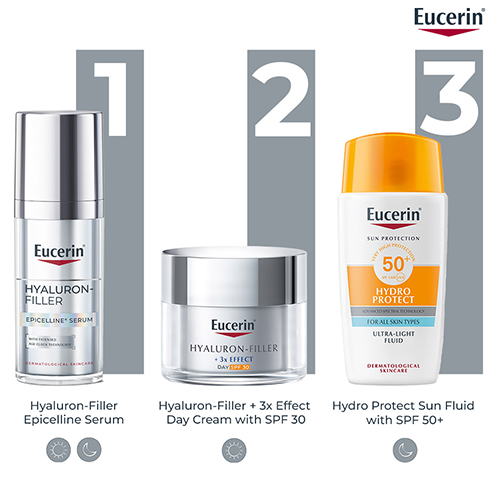
Hyaluron-Filler Day Cream Face Routine

If you’re wondering how to keep skin younger, having a well-formed skincare routine could be the answer. Let's learn what your regimen should contain:

Morning

  • Your morning routine protects your skin for the day ahead. Start with a gentle cleanser that removes overnight buildup without stripping protective oils.
  • Apply vitamin C serum, niacinamide or thiamidol next to shield your skin from free radical damage throughout the day.
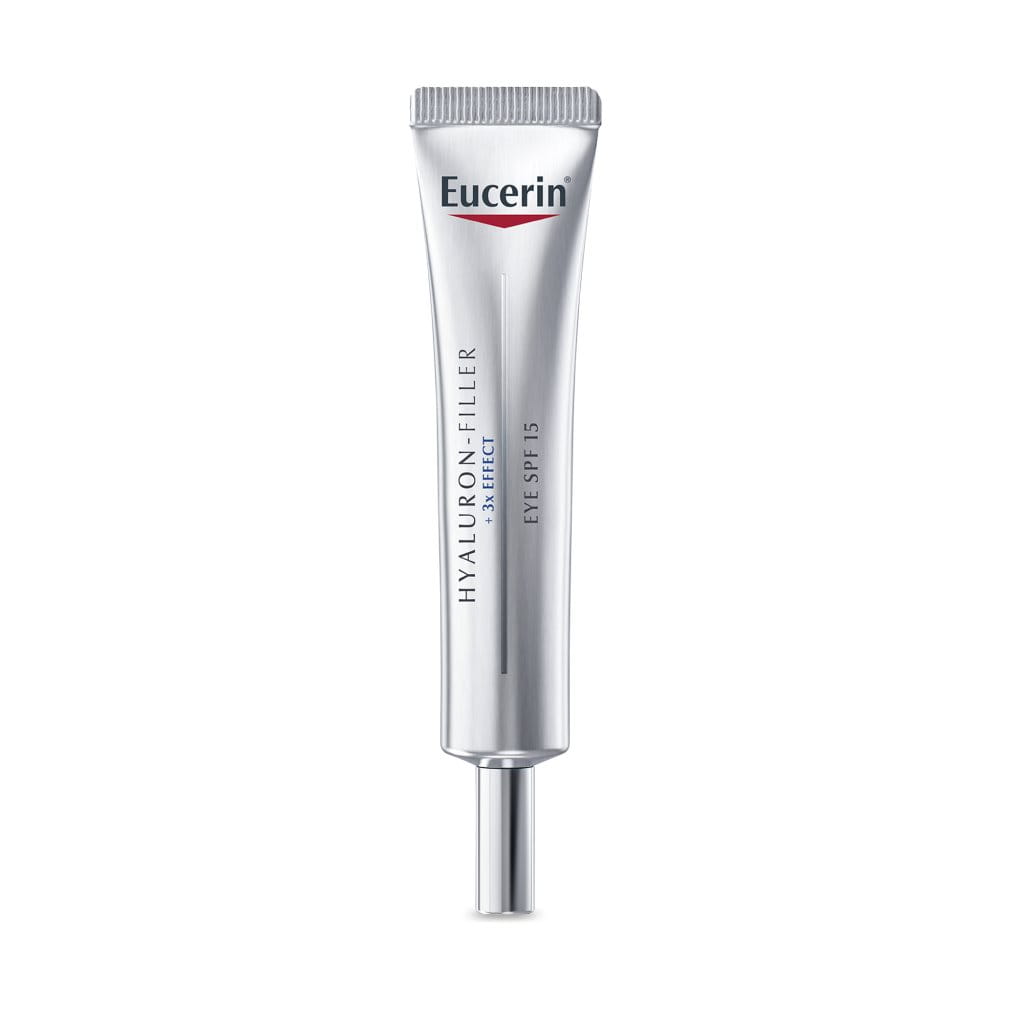
  • Pat eye cream like Hyaluron-Filler Eye Cream SPF 15 around your orbital area, where delicate skin shows early aging signs.
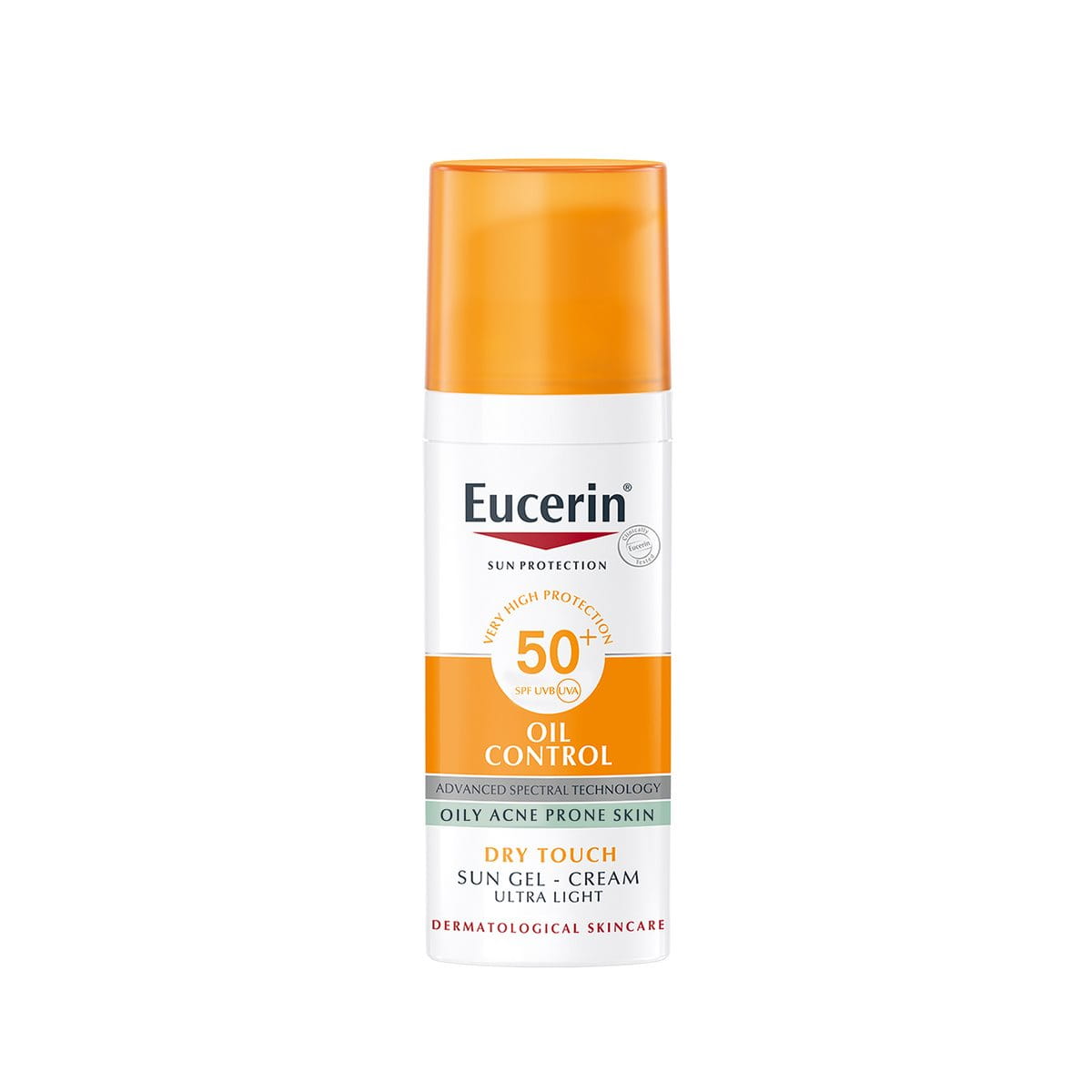
  • Layer on moisturizer with a formulation that suits your skin type to strengthen your barrier. Finish with broad-spectrum Sun Face Oil Control Gel-Cream SPF50+ as your final step to fend off oxidative stress and photoaging.

Night

  • Your evening routine should support repair while you sleep. Hence, cleanse your skin with a double-cleanse method to remove sunscreen and accumulated dirt.
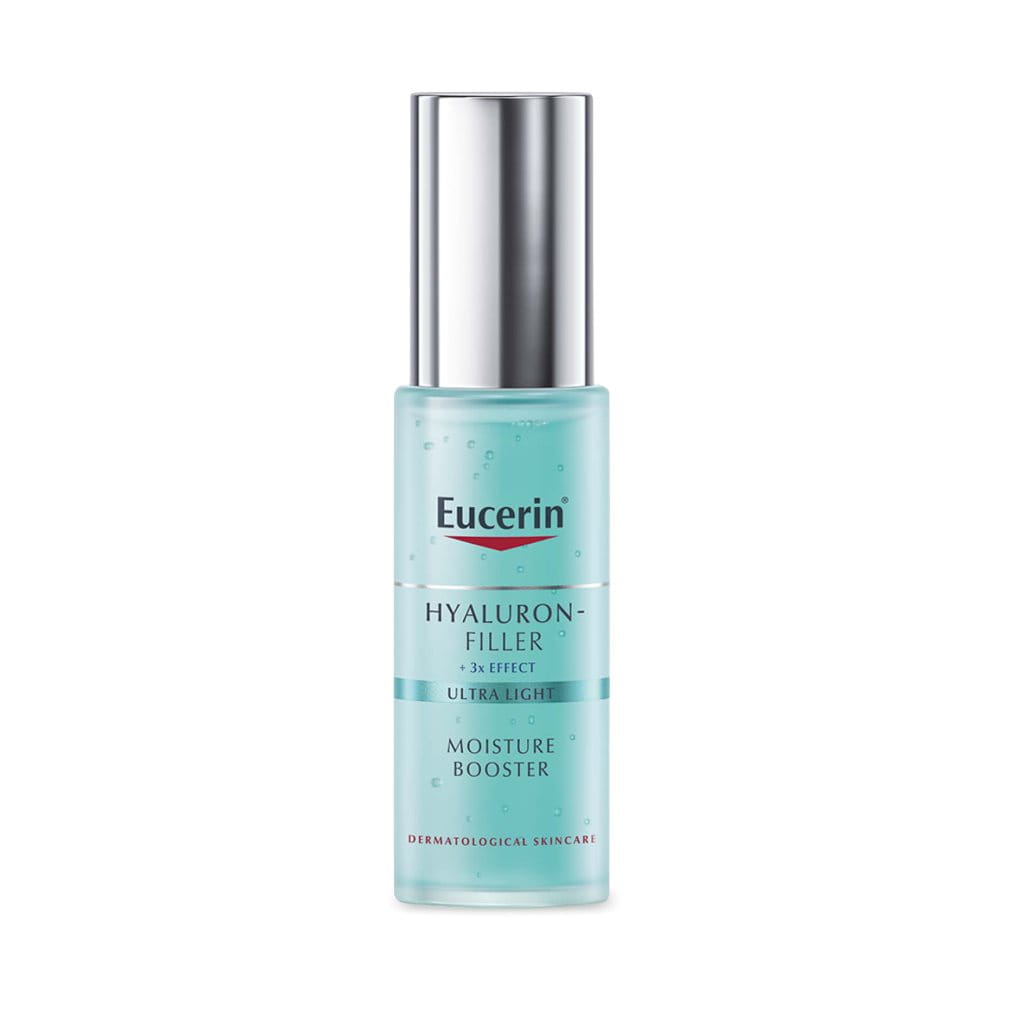
  • Prep your skin with a hyaluronic acid serum such as the Hyaluron-Filler Moisture Booster Face Gel to target fine lines and potentially reduce irritation from exfoliants in your routine.
  • Apply retinol (once or twice a week) to stimulate cell turnover and collagen production.
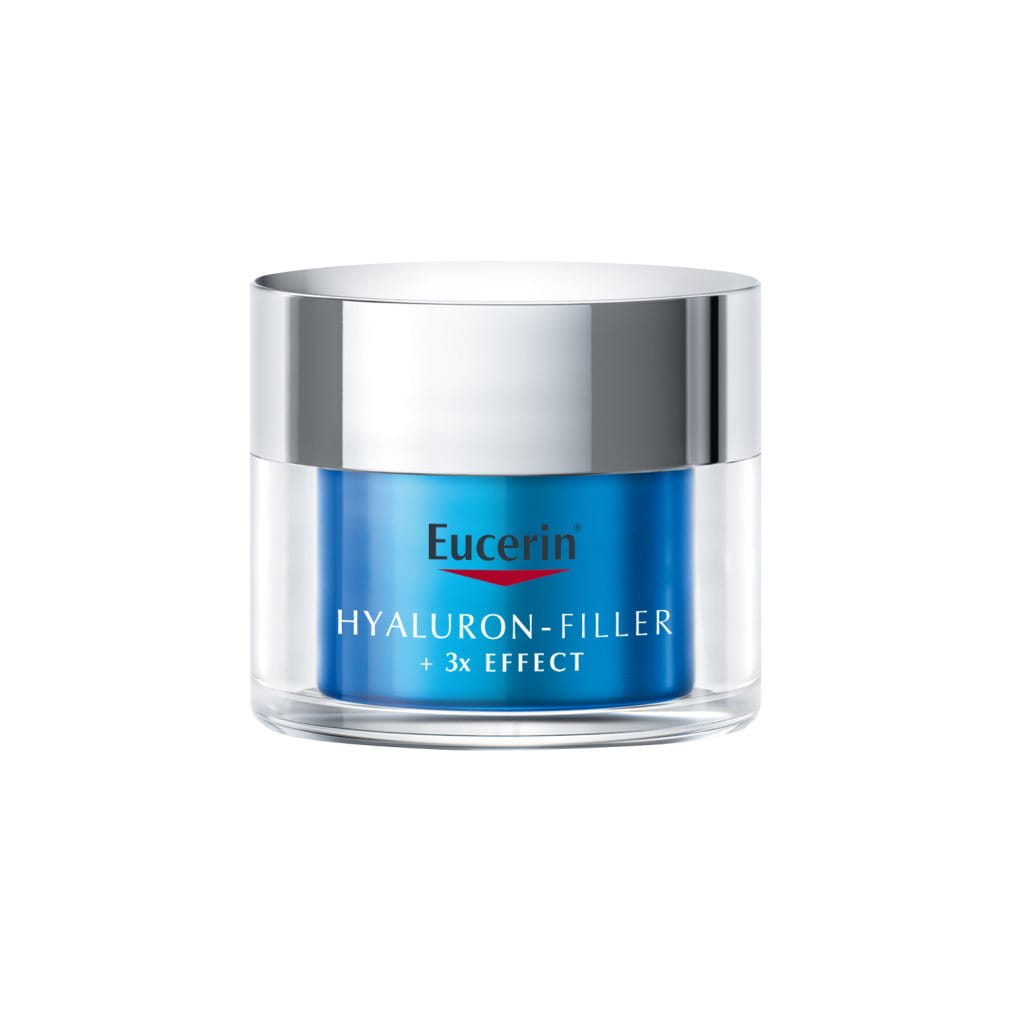
  • Seal everything with a rich night moisturizer containing hyaluronic acid, glycerin and additional ceramides. Products like Hyaluron-Filler Moisture Booster Night Cream provide intensive hydration and promote skin regeneration overnight.

By tailoring a skincare regimen to your skin’s unique needs, you are more equipped to understand how to keep skin younger.

Conclusion

Skin aging is an inevitable part of life, but premature aging, often exacerbated by environmental factors, is within your control. You can manage and mitigate its effects by adopting healthy lifestyle choices, seeking professional interventions, and implementing strategic skincare routines that support your skin's well-being. Your journey toward achieving and maintaining youthful-looking skin should be a consistent and steady one, guided by knowledge and thoughtful choices for long-term health and optimal appearance.

FAQs

  1. What are the early signs of skin aging and how to prevent them?

    Early signs may include fine lines, subtle changes in skin texture, and loss of radiance. Prevention focuses on consistent sun protection, a healthy lifestyle, and a preventative skincare routine with antioxidants and hydration.
  2. Which anti-aging treatments are best for youthful-looking skin?

    Skin treatments for aging skin include topical actives as well as professional treatments such as chemical peels, IPL lasers, dermal fillers, and Botox.
  3. How can I naturally slow down the aging of skin?

    Ways in which how to keep skin younger are through a balanced diet, adequate hydration, stress management, and an effective skincare routine.

Sources

  • Mdpi - Retinoic Acid and Its Derivatives in Skin
  • Pmc.ncbi.nlm.nih - Skin Ageing: Pathophysiology and Current Market Treatment Approaches
  • Pmc.ncbi.nlm.nih - Research Progress on Skin Aging and Active Ingredients
  • Pmc.ncbi.nlm.nih - Skin anti-aging strategies
  • frontiersin.org - Skin aging from mechanisms to interventions: focusing on dermal aging
  • Mdpi - Decoding Skin Aging: A Review of Mechanisms, Markers, and Modern Therapies
  • Academic.oup - Skin ageing and topical rejuvenation strategies
  • aad.org - 11 ways to reduce premature skin aging