Alpha Arbutin: Benefits, Uses & Comparison with Thiamidol

6 min. read
Show more

Are you tired of battling acne only to be left with frustrating reminders in the form of dark spots and uneven skin tone? You're not alone! Many individuals with acne-prone skin struggle with post-inflammatory hyperpigmentation and finding effective solutions for the same.

Thankfully, the skincare world offers a wealth of ingredients that can help fade those stubborn marks and restore a radiant glow. Two of these contenders are alpha arbutin and thiamidol. Since both ingredients are known for being gentle on the skin, it is common for individuals to be confused between the two for their specific needs.

If you too are in the same boat, then follow along as we explore the alpha arbutin serum benefits, how it differs from thiamidol and determine which ingredient may be your best ally in achieving a clearer, brighter complexion.

Keynotes:

  • Alpha arbutin is a gentle yet effective tyrosinase inhibitor, making it a popular choice for fading dark spots, post-inflammatory hyperpigmentation, and uneven tone.
  • Unlike harsher agents, alpha arbutin gradually brightens skin without causing significant irritation, making it well-suited for sensitive or acne-prone complexions.
  • While both alpha arbutin and thiamidol help reduce excess melanin, their mechanisms and aimed benefits will be a deciding factor between the two.
  • Consistent use of alpha arbutin, paired with sun protection and complementary ingredients, can significantly help diminish pigmentation and maintain a radiant, healthy complexion over time.
What Is Alpha Arbutin in Skincare?

Alpha arbutin is a naturally derived glycosylated hydroquinone, primarily sourced from plants such as bearberry, blueberry, and cranberry. In skincare, it functions as a tyrosinase inhibitor, meaning it interferes with the enzymatic process responsible for melanin synthesis. Its effectiveness stems from its targeted approach to melanin production, reducing the amount of pigment in the skin without harming the melanocytes, the cells responsible for producing that pigment.

Technically, it does so by directly targeting tyrosinase (TYR), the primary enzyme responsible for producing melanin (skin pigment). It acts as a competitive inhibitor, meaning that alpha arbutin strongly binds to the active site of the TYR enzyme, effectively blocking the natural substance (substrate) that TYR would normally process. By occupying this critical site, alpha arbutin prevents the enzyme from carrying out the process of melanin synthesis, which significantly reduces the pigment's formation within skin cells.

Such a targeted approach ensures a more controlled brightening effect, making it a popular choice for addressing hyperpigmentation issues on acne prone skin. Unlike hydroquinone which directly inhibits melanin production but may be too harsh for sensitive or acne-prone skin, alpha arbutin offers a gentler alternative for individuals prone to redness or breakouts as well.

Alpha Arbutin Benefits for Skin

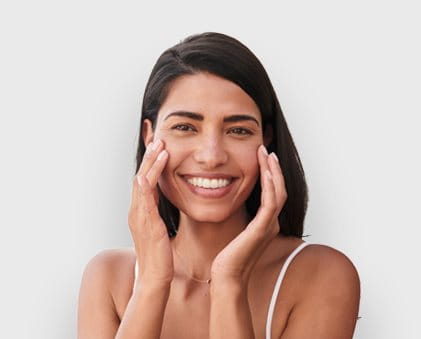
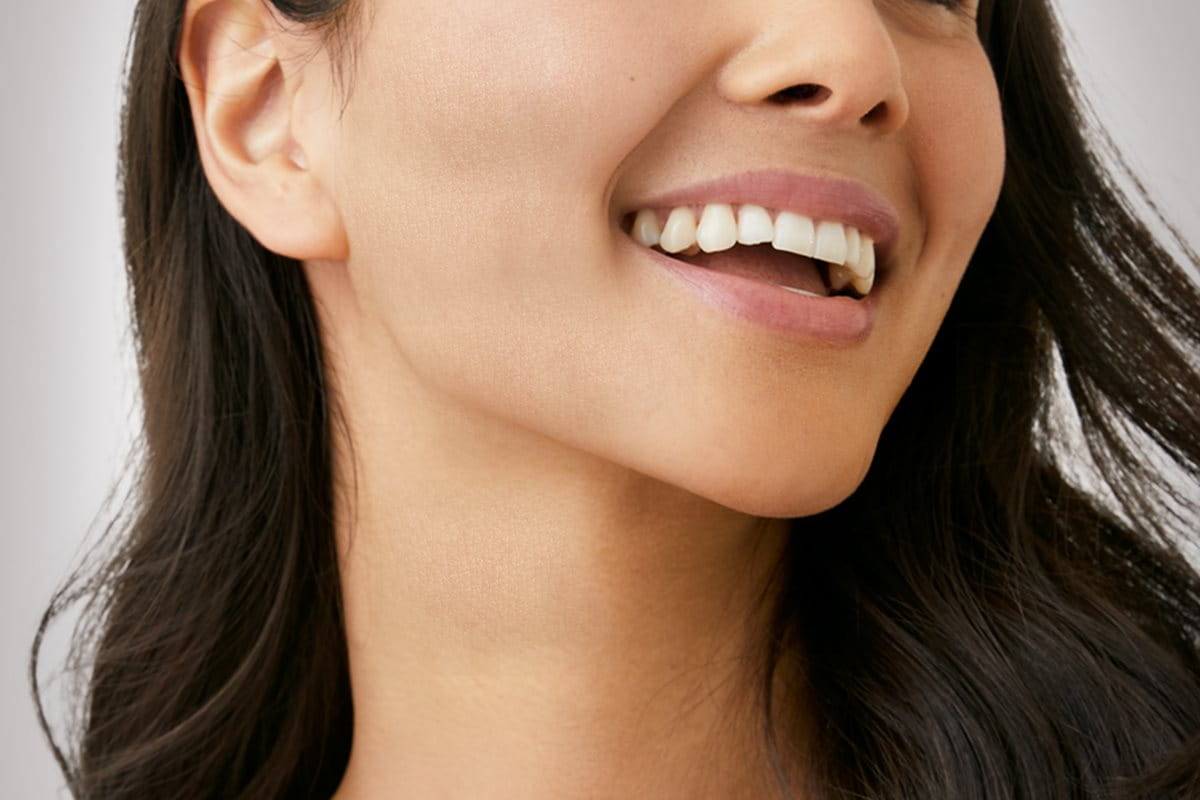
Flawless Skin Closeup

Alpha arbutin shines in its ability to improve skin tone and reduce the appearance of blemishes. Its mechanism of action makes it a valuable asset in any skincare routine that needs brightening. Here are the main alpha arbutin benefits for skin.

Skin Brightening and Pigmentation Reduction

One of the most recognized alpha arbutin benefits for skin is its ability to reduce pigmentation and enhance radiance. By inhibiting tyrosinase activity, alpha arbutin minimizes melanin formation, resulting in a more uniform complexion. Over time, consistent use of alpha arbutin products can visibly fade dark spots, post-inflammatory hyperpigmentation (PIH), and sun-induced discoloration. This process occurs gradually, ensuring results without the irritation often linked with stronger depigmenting agents.

Moreover, alpha arbutin uses in brightening serums have been studied for their potential synergy with other actives. When paired in skincare routines with antioxidants like vitamin C or exfoliants like lactic acid, alpha arbutin may boost overall luminosity while preserving the skin’s integrity.

Evening Out Skin Tone

Beyond simply brightening the skin, alpha arbutin excels at evening out overall skin tone as well. Such irregularities can be a result of environmental stressors, sun exposure, acne scarring, or hormonal changes. Alpha arbutin helps to address these concerns by selectively targeting areas of hyperpigmentation, resulting in a more uniform and balanced complexion.

Consistent application of alpha arbutin in skincare helps your dull skin appear more even, with reduced instances of skin peeling or excessive dryness.

Alpha Arbutin Serum vs Cream: Which to Choose

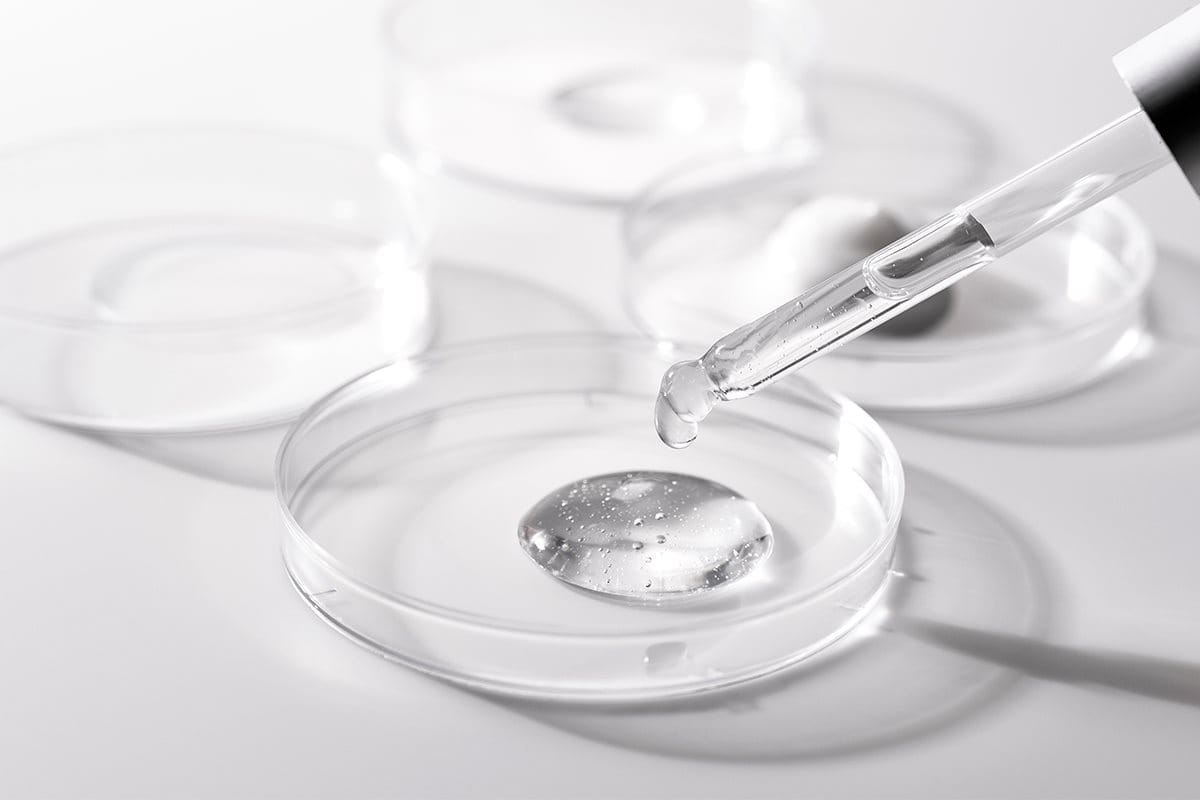
Face Serum Dropper

The choice between an alpha arbutin serum and cream often boils down to personal preference and skin type.

Alpha arbutin serums are typically water-based, offering a higher concentration of the active ingredient with faster absorption. This format suits oily or acne-prone skin as it delivers potency without clogging pores. Serums are often layered before moisturizers and can be used alongside niacinamide or hyaluronic acid for improved hydration and tone correction.

Cream formulations, on the other hand, combine alpha arbutin with emollients that support barrier function. They are better suited for dry or sensitive skin types requiring prolonged hydration. While creams provide slower penetration, they ensure sustained ingredient release, maintaining a steady brightening effect throughout the day.

If lightweight texture and quick results are the priority then you should go for a serum; if comfort and nourishment are the goals, an alpha arbutin cream may be more beneficial for you.

Alpha Arbutin vs Thiamidol

Thiamidol and alpha arbutin are powerful tyrosine inhibitors and are often compared in discussions centered on brightening and addressing uneven tone. While both the ingredients are believed to work by reducing excess melanin formation, their mechanisms of action and overall efficacy differ.

Differences in Effectiveness and Safety

Thiamidol, scientifically known as isobutylamido thiazolyl resorcinol, is a patented compound that offers a highly specific and direct inhibition of human tyrosinase. This active ingredient is designed not only to reduce existing hyperpigmentation on the skin but also to actively work in preventing future instances of pigmentation with sustained use.

Alpha arbutin, however, operates through a more gradual process. It slowly releases hydroquinone derivatives into the skin, which leads to progressive lightening over time with fewer chances of irritation.

From a safety standpoint, both thiamidol and alpha arbutin are generally considered to be well-tolerated, though individual results and sensitivities can vary. The lengthy debate between thiamidol vs alpha arbutin sheds light on the subtle differences in their chemical structures and the ways in which they react with melanocytes in the skin.

Hence, to decide the best one for your needs truly depends on a professional diagnosis and factors such as skin sensitivity and pigmentation concerns to ensure effective results.

How to Use Alpha Arbutin in Your Routine

Here is a simple guide on how to incorporate alpha arbutin into your routine:
  1. First, cleanse your face with a gentle formula to remove surface oils and impurities.
  2. Next, apply a toner or essence to help balance the skin’s pH and prepare it for better absorption of alpha arbutin products.
  3. If you’ve selected an alpha arbutin serum, apply a few drops and gently tap it in, focusing on areas with visible discoloration.
  4. Once the serum has absorbed, follow up with a moisturizer that complements your skin type.
  5. During daytime routines, finish up with sunscreen with SPF 50+ to guard against additional photo-induced pigmentation.
For those using exfoliants or retinoids (at night), alpha arbutin should be applied after mild exfoliation but before occlusive layers to maximize absorption. It pairs well with niacinamide, peptides, and hyaluronic acid serums or moisturizers to enhance the radiance of your skin while maintaining barrier health.

Possible Side Effects and Precautions

While alpha arbutin is generally known for being gentler than many other skin brightening ingredients, some users may still experience mild, temporary reactions like redness, dryness, or sensitivity in the areas where it is applied.

To prevent adverse effects, individuals with highly reactive skin should perform a small patch test before fully incorporating alpha arbutin into their daily routine. It is also important to avoid mixing alpha arbutin with strong, abrasive exfoliants in the same application step. Instead, consider using these actives on alternate days to minimize stress on the skin barrier. If you notice signs of prolonged irritation or are unsure how to properly integrate this active into your regimen, discontinue use and consult a skincare specialist for personalized advice.

Best Alpha Arbutin Products to Try

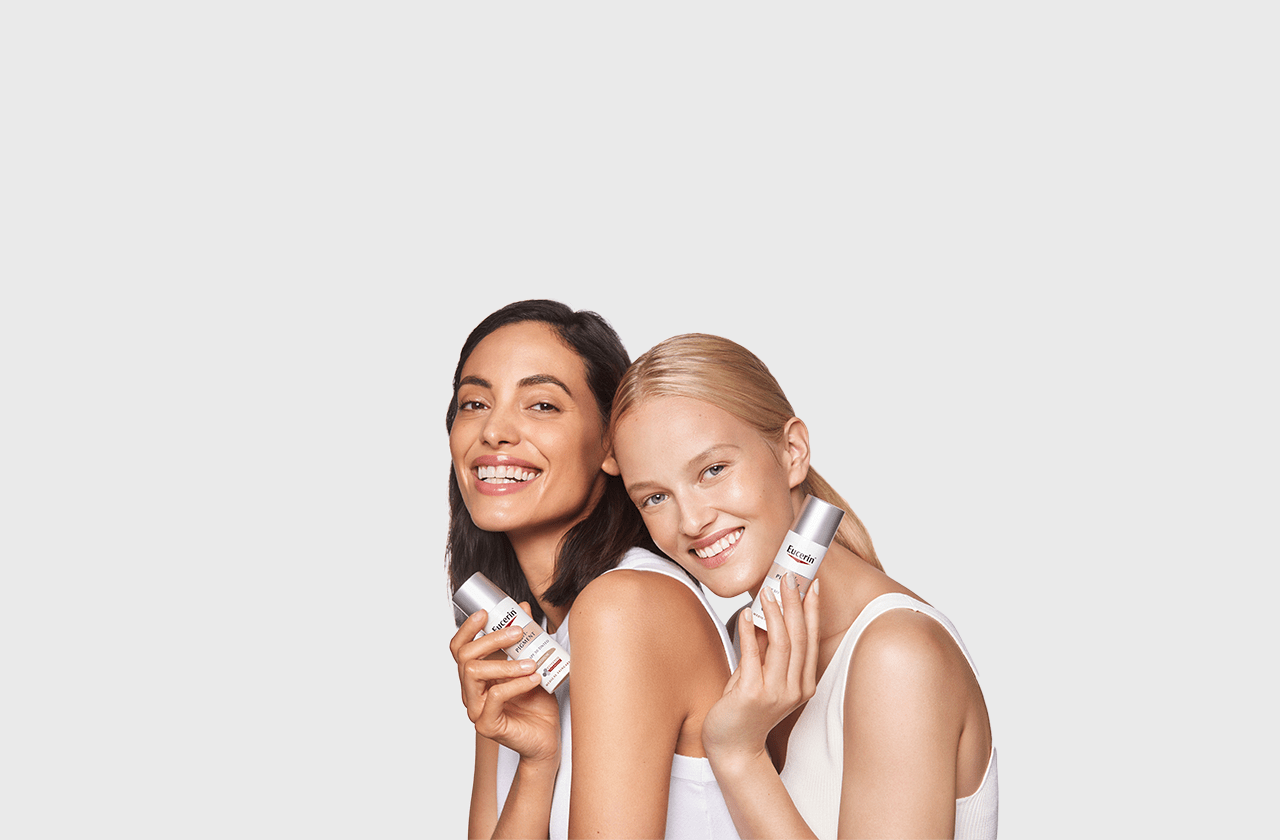
Women Posing With Eucerin Serum

When choosing a product with alpha arbutin for skin, look for formulations with a concentration between 1% and 2%. This range is considered optimal because it provides the best balance between achieving effective skin brightening results and minimizing the risk of irritation.

The formulation of these products may also influence your choice greatly, as discussed above. Since water-based serums are typically absorbed quickly, they deliver a higher potency of alpha arbutin to the skin. While creams provide additional moisture support through components like emulsions and occlusives.

You may also look for products containing complementary ingredients such as niacinamide, hyaluronic acid, or peptides, as these can help stabilize alpha arbutin and enhance its brightening action. With consistent use, such products may help achieve a radiant, healthy and even-toned complexion.

Conclusion

Alpha arbutin stands out as a valuable tool for those seeking a brighter, more even complexion, especially when dealing with the aftermath of acne. Its gentle yet effective approach to inhibiting melanin production makes it a suitable option for various skin types, including those prone to breakouts.

While thiamidol vs alpha arbutin comparisons reveal that thiamidol acts faster, alpha arbutin's safety profile and compatibility with sensitive skin make it a reliable contender in your skincare routine. When paired with sun protection and consistent care, this active remains one of the most reliable options for managing pigmentation and promoting even-toned skin over time.

FAQs:

  1. What are the benefits of alpha arbutin serum for skin brightening?

    Alpha arbutin serum helps fade dark spots, post-acne marks, and hyperpigmentation by inhibiting melanin production. This leads to a brighter, more even skin tone and a more radiant complexion.
  2. Is alpha arbutin better than Thiamidol for reducing pigmentation?

    Both ingredients are believed to improve the appearance of pigmentation and reduce dark spots with time and consistent use. Ultimately, the best active for your skin depends on your skin’s sensitivity and the speed of results you desire.
  3. How to use alpha arbutin in a skincare routine for best results?

    Apply alpha arbutin serum twice daily after cleansing and toning, then follow with moisturizer and sunscreen during the day for optimal brightening and protection.

Sources

  • nih.gov - Thiamidol containing treatment regimens in facial hyperpigmentation
  • Jddonline - Thiamidol: A Breakthrough Innovation in the Treatment of Hyperpigmentation
  • Ec.europa - Safety of alpha-arbutin and beta-arbutin in cosmetic products
  • nih.gov - Arbutin as a Skin Depigmenting Agent with Antimelanogenic and Antioxidant Properties
  • Onlinelibrary.wiley - The Efficacy of Topical Cosmetic Containing Alpha-Arbutin 5% and Kojic Acid 2% Compared With Triple Combination Cream for the Treatment of Melasma