Crow’s Feet and Under-Eye Wrinkles: Causes & Treatments

5 min. read
Show more

Have you ever found yourself gazing in the mirror, noticing those delicate lines etching themselves at the outer corners of your eyes? Or perhaps the subtle creases forming just beneath them? These subtle markers, affectionately (or sometimes not-so-affectionately) known as crow's feet and under-eye wrinkles, are a universal part of aging. They're more than just lines; they tell a story of expressions, sunlight, and the passage of time.

While they are quite natural and appear with age, the wrinkles are often unwelcome and concern many adults who want to keep their skin looking youthful. For individuals looking to boost their skin health, here is the perfect place to start your journey. We explore the intricacies of facial crow's feet, its causes and strategies on how to get rid of wrinkles under the eye to promote healthier, more radiant skin.

Keynotes:

  • Crow's feet and under-eye wrinkles are natural signs of aging, often appearing due to repetitive muscle movements and the skin’s diminished structural integrity over time.
  • Key factors contributing to crow's feet include aging, sun damage, and expressions, with prevention focusing on sun protection, hydration, and an antioxidant-rich diet.
  • Treatments for crow's feet range from topical solutions like retinoid and peptide-infused eye creams to professional interventions such as Botox and laser resurfacing.
  • A consistent skincare routine and mindful lifestyle habits, such as regular SPF application and adequate sleep, are vital for maintaining youthful, resilient skin around the eyes.


What Are Crow’s Feet and Why They Appear

Crow's feet, scientifically known as lateral canthal lines, are fine wrinkles that form at the outer corners of your eyes. Interestingly, its name comes from how these lines resemble a crow's three-toed footprint.

Crow's feet eyes develop through a combination of muscle movement and changes in your skin's structure over time. To put it into perspective, your eye area moves constantly. You blink, squint, smile, and laugh throughout the day. Each time you make these expressions, the orbicularis oculi muscle around your eye contracts multiple times. When you're younger, these movements create temporary creases that disappear when your face relaxes.

As you age, your skin undergoes significant structural changes, mainly losing essential proteins like collagen and elastin fibers that support your skin. This deterioration in the skin's structural integrity means that what are crow's feet on the face eventually become static wrinkles, visible even when facial muscles are at rest.

Moreover, the periorbital area is only about 0.88 to 2.80 mm thick, significantly thinner than the skin on other parts of the face. This makes it more vulnerable to the early formation of wrinkles due to several distinct anatomical factors. This region naturally also contains fewer sebaceous glands, leading to reduced natural oil production and a heightened susceptibility to dryness. These combined characteristics can explain why many individuals frequently consider the periorbital area a primary concern for early intervention and seek effective crow's feet treatment.


Causes of Wrinkles Around the Eyes

The development of creases under the eyes and folds under the eyes is a complex interplay of internal and external factors, significantly impacting the delicate skin in the periorbital region. These are some of the common causes of crow's feet around the eyes:

Aging

The process of natural aging initiates several significant biochemical shifts within the skin's structure. As we age, the vital cells known as fibroblasts, which are tasked with generating essential proteins, experience a notable drop in activity. This decline directly compromises the skin's internal support matrix, making it less capable of maintaining firmness, smoothness, and elasticity.

Concurrently, the rate at which skin cells renew themselves slows down significantly, leading to a visible accumulation of damaged cells on the surface and a reduced ability for the skin to repair itself. This heightens the visibility of underlying structural imperfections and deepens the appearance of wrinkles.

Expressions

Every facial expression creates mechanical stress on your periorbital skin. When you smile, squint, or show surprise, your muscles contract and fold the skin above them. While youthful skin rebounds efficiently due to robust elastin networks, repeated folding over decades eventually exceeds the skin's regenerative capacity. The lines etched by these movements become permanent fixtures, explaining how to get rid of folds under eyes requires addressing both muscular activity and structural skin degradation.

Sun Damage

Ultraviolet radiation accelerates skin aging significantly since UVA rays penetrate deep into your dermis and create reactive oxygen species. This process leads to oxidative stress, which actively breaks down essential structural components like collagen and elastin. Moreover, when you are out in the sun, your eyes naturally squint, which combines photodamage with mechanical, expression-related wrinkling. Modern environmental aggressors, such as air pollutants, smoke exposure, and even blue light emitted from digital screens, can contribute additional oxidative damage, further compromising the resilience of your vulnerable skin.


Best Treatments for Crow’s Feet

Here are the multi-pronged ways in which you can tackle crow's feet wrinkles effectively:

Topical Ingredients, Eye Creams & Serums

The market offers a vast array of eye creams and serums specifically formulated to target the delicate skin around the eyes. These products typically feature potent active ingredients designed to bolster skin health and diminish the appearance of fine lines. Some of the common actives in products like eye creams, moisturizer and serums include:

  • Retinoids: Retinol and prescription tretinoin are gold-standard wrinkle treatments, which boost collagen production and speed up cell turnover. Since they are quite potent, you should start with retinol-based eye creams designed specifically for use around the eyes.
  • Peptides: These are short chains of amino acids that act as signaling molecules that may stimulate your skin cells to produce more collagen. Eye creams commonly include palmitoyl pentapeptide and copper peptides to improve skin firmness and reduce fine lines through their regenerative properties.
  • Antioxidants: Vitamin C, vitamin E, and niacinamide fight oxidative stress by neutralizing harmful free radicals. These ingredients work well together in serums answering questions like ‘how to reduce wrinkles around the eyes.
  • Hyaluronic Acid: HA is another powerful ingredient that draws moisture into the skin to plump up fine lines and improve overall hydration.

Botox, Fillers, and Professional Solutions

While topical serums are effective, professional interventions offer more dramatic results for crow's feet treatment. Here are a few treatments that are recommended for the concern:
  • Botox:These injections work by temporarily relaxing the muscles responsible for dynamic wrinkles. By inhibiting muscle contraction in the periorbital area, Botox effectively smoothens existing crow's feet and may even prevent new ones from forming, as the skin is no longer being creased by muscle movement.
  • Dermal Fillers: Fillers based on hyaluronic acid can address volume loss and deeper static wrinkles under your eyes. A practitioner injects these products into your dermis or subdermis layer, and they restore lost volume and physically lift depressed areas.
  • Laser Resurfacing: Laser treatments create tiny controlled wounds in your skin, triggering your body's healing response and stimulating new collagen formation. These treatments enhance overall skin quality, though you typically need multiple sessions for best results.

Home Remedies for Wrinkles Under Eyes

If you’re wondering, ‘how can I get rid of eye wrinkles’, there are some home remedies that can help you. Begin by using hydrating masks, which offer a temporary but noticeable boost by delivering concentrated moisture and nutrients directly to the skin. Look for masks infused with ingredients like hyaluronic acid, ceramides, or botanical extracts; these provide intensive hydration that can momentarily plump fine lines and diminish the look of puffiness.

Complement this with gentle face massages using your fingertips around the orbital bone. This light action is crucial for stimulating blood circulation and improving lymphatic drainage, which helps in reducing swelling and enhancing the skin's overall vitality. Remember to use the absolute lightest touch to prevent stretching the fragile skin.

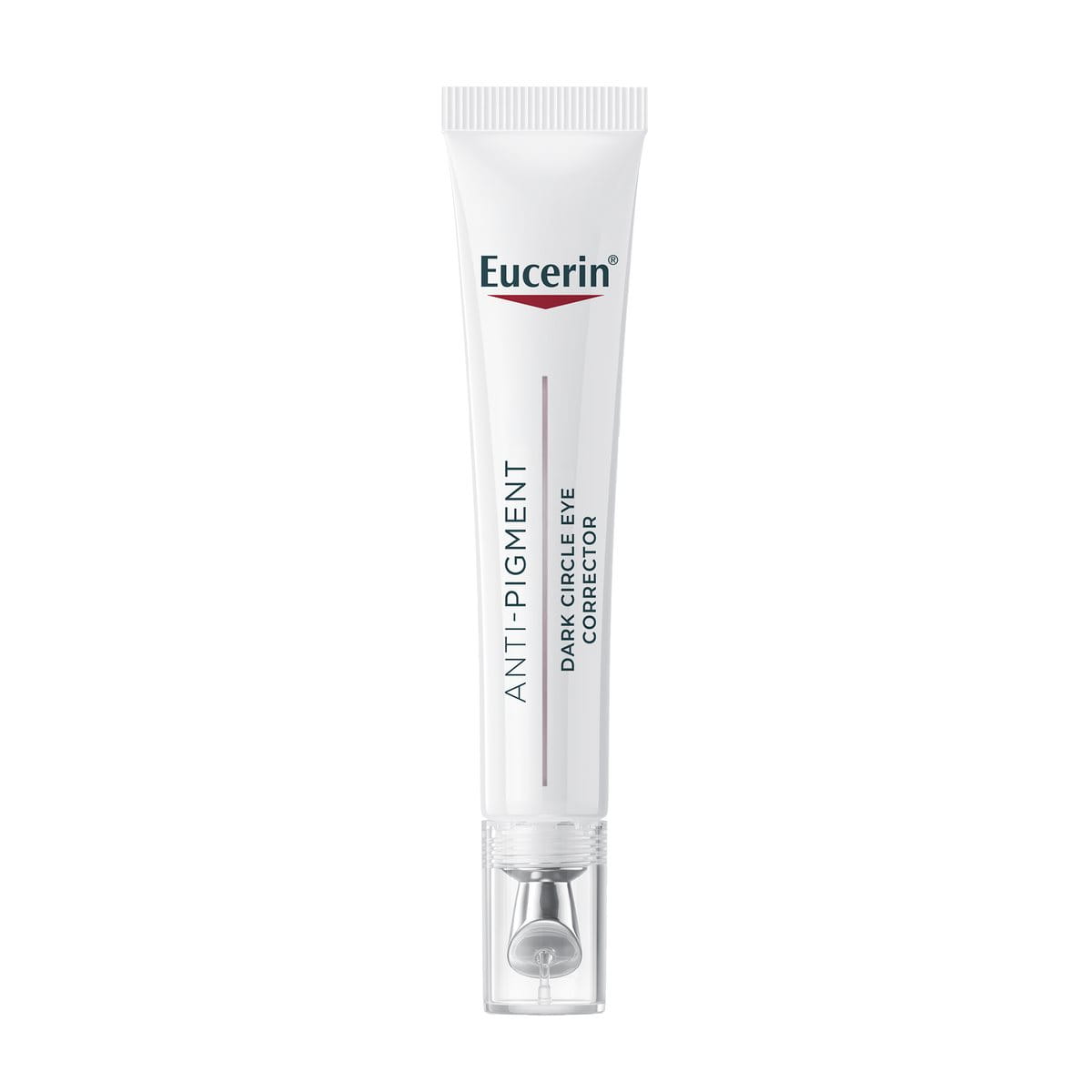
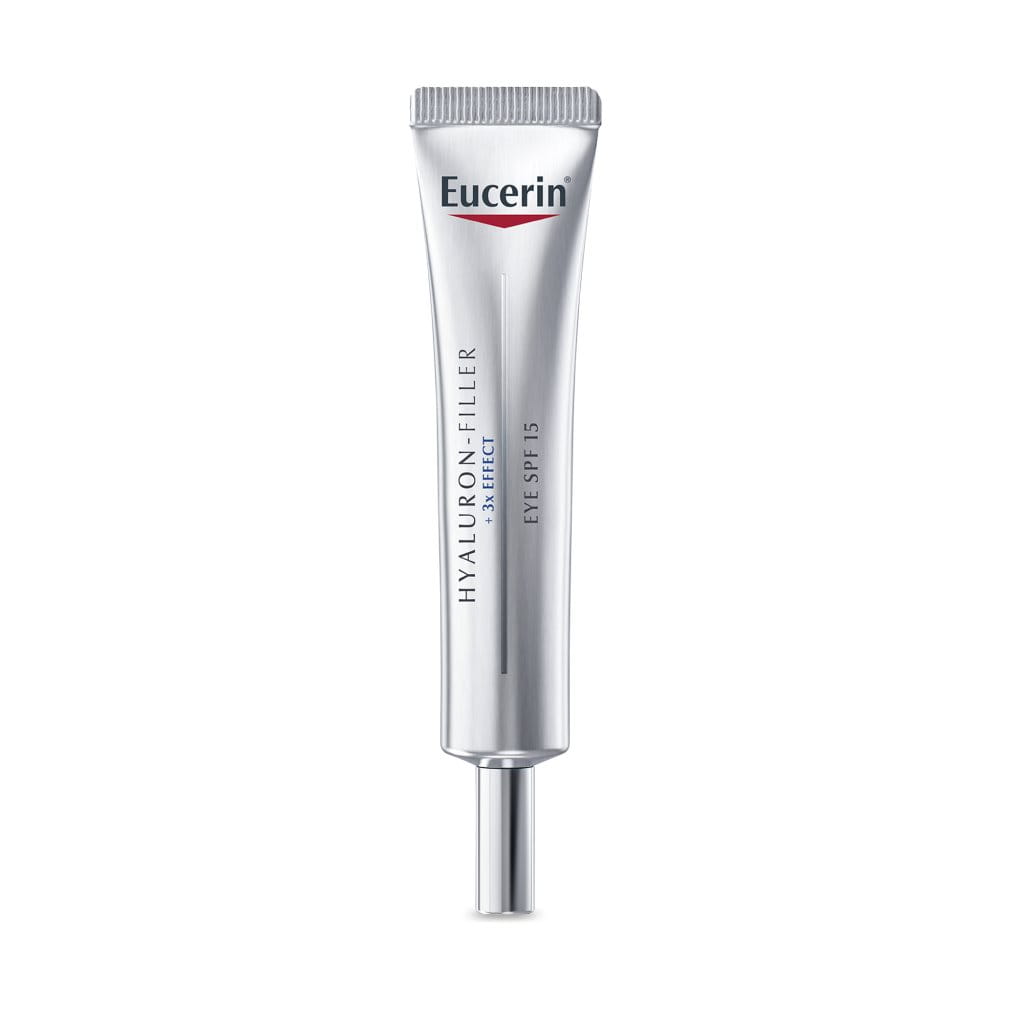
Finally, the foundational step remains the consistent application of a high-quality, targeted eye cream. Formulations often combine humectants, emollients, peptides, and antioxidants to lock in hydration, smooth the skin's surface, and make fine lines less apparent. Regular, diligent use of these noninvasive strategies is an effective and impactful approach to managing the appearance of under-eye wrinkles.


Tips to Prevent Crow’s Feet Naturally

By taking proactive steps now, you can significantly minimize the need for corrective treatments later on. Here are the key habits that make the biggest difference:
  1. Sun Protection Is Non-Negotiable: This is arguably the most impactful thing you can do. Make a daily habit of applying a broad-spectrum SPF 30 sunscreen or higher. Additionally, use high-quality UV-protective sunglasses to shield your skin from direct rays.
  2. Keep Skin Hydrated: Drinking enough water supports your skin's function from the cellular level, helping it retain firmness and moisture. Supplement this by applying an emollient-rich eye cream both morning and night to maintain the skin barrier and plump up fine lines.
  3. Support Skin From Within: Fuel your body with a diet dense in nutrients like antioxidants (Vitamin C & E), omega-3s, and beta-carotene. This helps combat the oxidative stress that can speed up aging and provides the building blocks for healthy collagen.
  4. Don't Skimp on Sleep: Getting consistent, adequate sleep is necessary. This is when your cells do their critical repair work and manage inflammation. Prioritizing rest helps support overall skin regeneration.
  5. Be Gentle and Consistent: Establish a simple, regular skincare routine that includes cleansing, treating, and moisturizing. Avoid harsh rubbing around the eyes when removing eye makeup.

Conclusion

Crow's feet and wrinkles under your eyes develop naturally through aging, muscle movement, and environmental exposure. Because the skin in this area is so incredibly delicate and thin, it's one of the first places to show these signs. This vulnerability makes both prevention and proactive care absolutely essential.

To treat the concern, whether you choose advanced treatments, embrace a diligent skincare routine with potent eye creams, or lean into natural remedies, the goal remains the same, supporting your skin’s long-term health and vitality.

By integrating protective daily habits and leveraging the knowledge we've explored, you can confidently address ‘how to get rid of crows feet’. This approach also helps you cultivate a radiant, resilient appearance that truly reflects the vibrant person you are, helping you feel wonderful in your own skin.


FAQs:

  1. What causes crow’s feet wrinkles around the eyes and how to prevent them?

    Crow's feet are caused by repetitive muscle contractions from blinking and expressions, compounded by age-related loss of collagen and elastin, and accelerated by sun damage. You can prevent these wrinkles through several strategies, like applying broad-spectrum sunscreen, maintaining adequate hydration, reducing squinting, following a diligent skincare routine with antioxidant-rich products, and ensuring adequate sleep.
  2. Which treatments work best for reducing under-eye wrinkles naturally?

    For reducing under-eye wrinkles naturally, focus on consistent home care. This includes using hydrating eye creams, applying natural face masks with ingredients like avocado or aloe vera, performing gentle face massages to stimulate circulation, and maintaining a healthy, antioxidant-rich diet.
  3. Can Botox or eye creams help get rid of crow’s feet permanently?

    Neither Botox nor eye creams can permanently eliminate crow's feet. Botox temporarily relaxes facial muscles, reducing wrinkle appearance for several months, requiring repeat treatments. Eye creams, on the other hand, while beneficial, can only primarily improve skin texture and provide hydration, which reduces wrinkle visibility with continuous use.

Sources

  • Onlinelibrary.wiley - Topographic Analysis of the Periorbital Region Including Orbicularis Oculi Muscle Based on Ultrasonography Interpretation
  • nlm.nih.gov - Double-blind, Randomized Trial on the Effectiveness of Acetylhexapeptide-3 Cream and Palmitoyl Pentapeptide-4 Cream for Crow's Feet
  • nlm.nih.gov - Structural defect from the superficial lateral canthal tendon in two adolescent female patients: a case series
  • jcosmetmed.org - Effects of under‐eye skin and crow's feet on perceived facial appearance in women of five ethnic groups