Women Posing for Eucerin

Dry Skin Causes and Effective Solutions

5 min. read
Show more

Dry skin is more than a mild inconvenience; it can disrupt daily comfort, affect confidence, and sometimes even cause itching, flaking, redness, and sensitivity. When your skin barrier becomes compromised, it struggles to retain moisture, resulting in visible and uncomfortable dryness. Understanding the causes of dry skin is the first step toward identifying the right solution.

Dryness may appear on any part of the body, but dry facial skin tends to feel more frustrating because the face is constantly exposed to environmental triggers and cleansing routines. The good news? Once you identify what’s driving your dryness, you can apply the correct skin treatment for dry skin to restore balance and comfort.

Keynotes:

  • Dryness occurs when the skin barrier loses necessary lipids and moisture.
  • Environmental triggers, lifestyle habits, and medical conditions are common reasons for dry skin.
  • A structured, barrier-repair-focused skin regimen for dry skin can significantly improve hydration.
  • Both professional care and dry skin treatment at home methods may help restore comfort and minimize skin dryness and itching.
  • Choosing the right dry skin treatment prevents long-term irritation, sensitivity, and premature ageing.

What Causes Dry Skin?

Dry skin occurs when the natural moisture barrier, known as the lipid barrier, becomes damaged. When this barrier weakens, the skin loses water more rapidly, a process called transepidermal water loss (TEWL). Once that happens, dryness intensifies and can lead to flaking, cracks, and skin dryness and itching.

Environmental Triggers and Lifestyle Factors

Environmental triggers are among the most frequent reasons for dry skin, especially:
  • Cold temperatures and low humidity, especially in winter.
  • Air conditioning or indoor heating, which sucks moisture from the air and skin.
  • Long, hot showers strip natural oils from the skin barrier.
  • Over-cleansing or using harsh soaps, particularly those high in sulfates.

Many individuals who struggle with dry facial skin unknowingly worsen it by using exfoliants too frequently or by applying products with alcohol or retinoids without proper hydration.

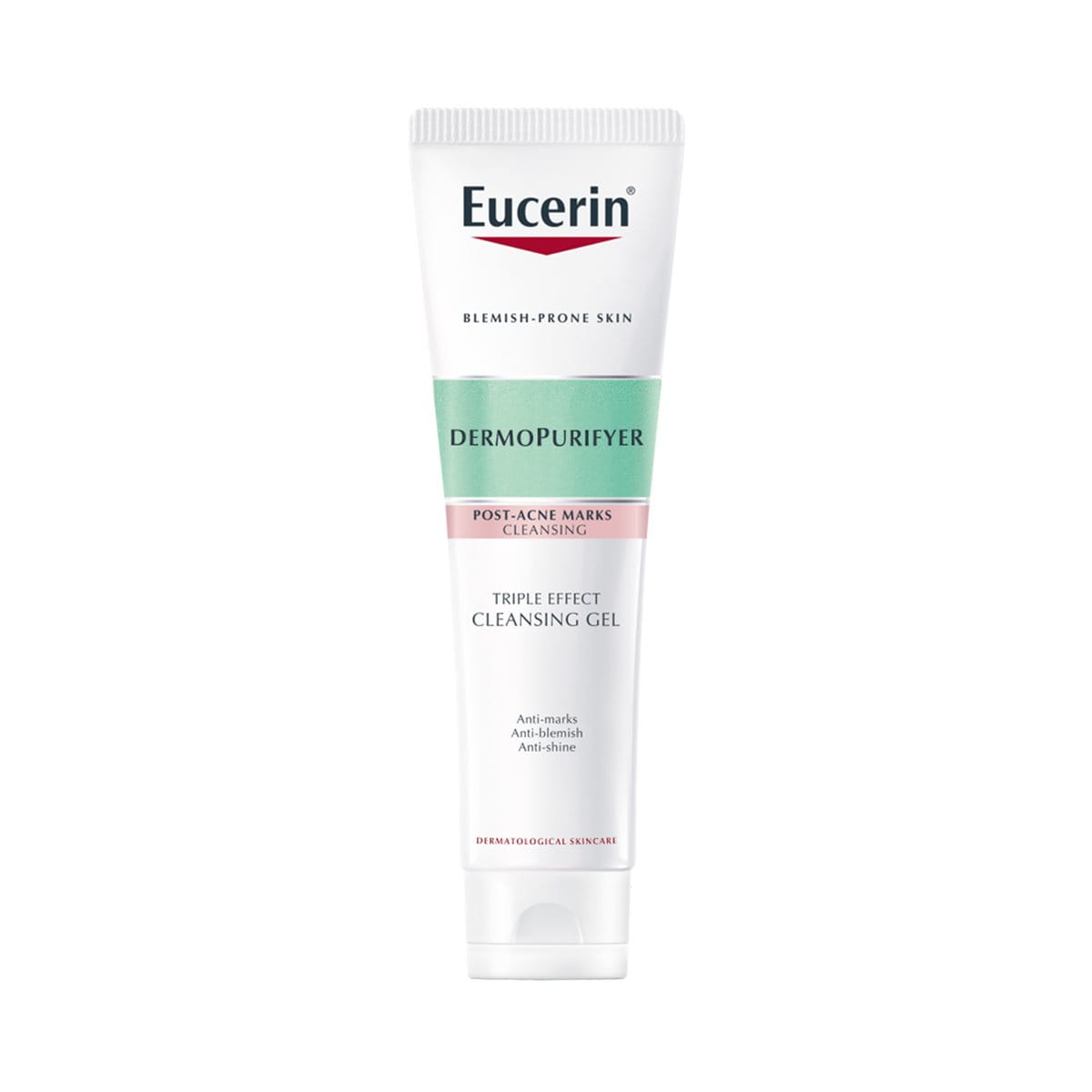
For example, using gentle cleansers like the DermoPurifyer Triple Effect Cleansing Gel can help prevent stripping natural oils, especially in individuals with dry facial skin.

Lifestyle triggers include:

Trigger

Impact on Skin

Not drinking enough water

Reduced skin hydration and elasticity

Smoking & high caffeine usage

Barrier disruption and loss of moisture

Nutritional deficiencies (omega-3, vitamin E)

Reduced hydration from within


These lifestyle factors contribute significantly to the causes of dry skin, especially when combined with environmental exposure.

Skin Conditions and Medical Causes

Sometimes, dryness indicates an underlying health condition. Medical-related reasons for dry skin may include:
  • Eczema (atopic dermatitis) causes itchy, inflamed patches.
  • Psoriasis results in scaly plaques and chronic dryness.
  • Hypothyroidism slows oil gland activity, causing extremely dry facial skin.
  • Diabetes affects hydration and wound healing.

Certain medications, such as acne treatments (benzoyl peroxide, retinoids) or diuretics, also contribute to dryness. In such cases, professional evaluation guides the correct skin treatment for dry skin.

Signs of Extremely Dry Skin

Recognizing symptoms early helps prevent further damage. Common signs include:

  • Tightness after cleansing.
  • Rough texture or visible flakes.
  • Cracks that may sting or burn.
  • Persistent skin dryness and itching.
  • Skin sensitivity to products that once felt soothing.

Severely dry areas may appear dull or develop fine lines due to dehydration, not ageing.

Best Treatments for Dry Skin

Dermatologist Tested

The most effective dry skin treatment focuses on restoring the barrier.

Dermatologist-Recommended Solutions

Dermatologists often recommend:
  • Ceramide moisturizers rebuild the lipid barrier.
  • Hyaluronic acid serums draw moisture into the skin.
  • Glycerin-based creams lock hydration in.
  • Urea-based lotions soften flaky areas without irritation.
  • Occlusive creams (petrolatum, shea butter) seal cracks in extremely dry skin.

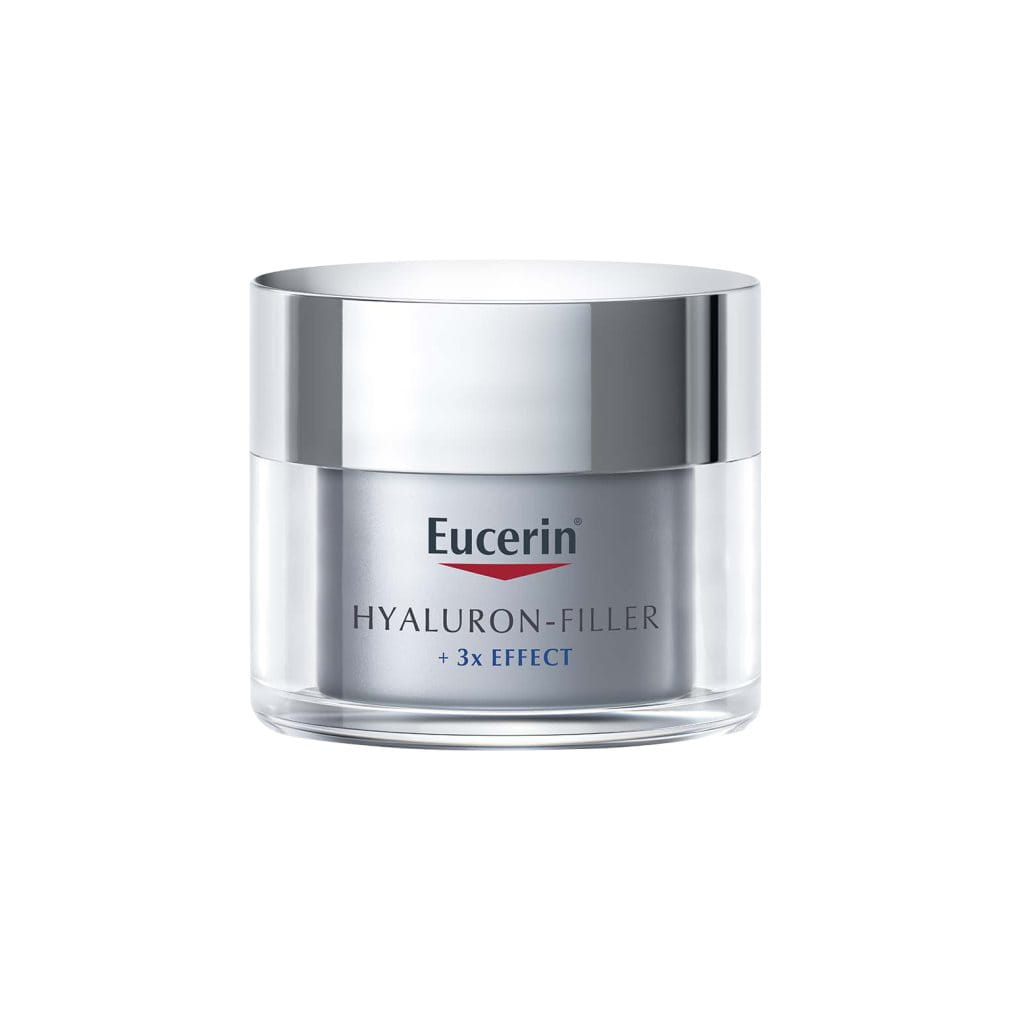
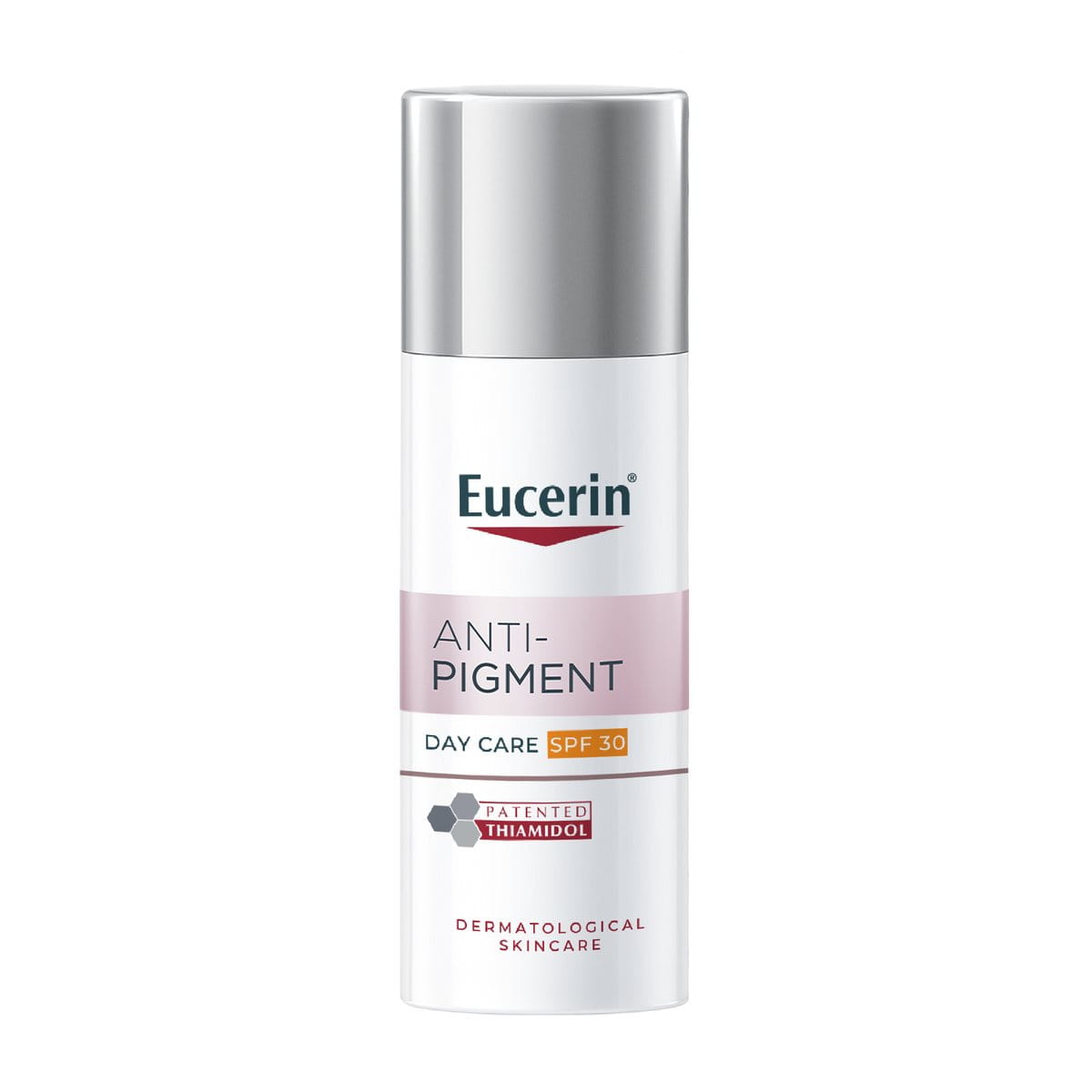
Targeted skincare solutions like the Hyaluron-Filler Night Cream and Anti-Pigment Day Care SPF30 are often recommended because they help hydrate while also addressing skin concerns like pigmentation or uneven tone.

For persistent cases, dermatologists may prescribe:
  • Hydrocortisone cream (short-term use).
  • Barrier repair moisturizers.
  • Humidifier therapy to restore indoor moisture.
These treatments target multiple causes of dry skin by reinforcing the natural barrier.

Home Remedies for Dry Skin

There are several effective dry skin remedies that you can try using common household ingredients:

  • Aloe vera gel soothes irritation and provides cooling hydration.
  • Coconut oil or almond oil works as an emollient to soften skin.
  • Honey is antibacterial and humectant, ideal for dry facial skin.

These home remedies for dry skin hydrate without altering the skin’s pH levels.

For an intensive overnight dry skin treatment at home:

  1. Apply aloe vera gel.
  2. Layer with oil (coconut or squalane).
  3. Seal everything with a thick moisturizer.

This layering traps moisture while repairing the skin barrier as you sleep.

Skincare Routine for Dry Skin

Essential skincare products

Your routine plays a major role in improving dryness. A barrier-supporting skin regimen for dry skin reduces irritation and boosts hydration.

Morning & Night Care Regimens

Morning Routine

  1. Start with a gentle cleanser: Choose a cream or milk-based cleanser to avoid stripping moisture.
  2. Use a hydrating toner: Pick an alcohol-free toner to help your skin absorb the next products better.
  3. Apply a hyaluronic acid serum: Pat it on damp skin for maximum hydration.
  4. Follow with a ceramide moisturiser: This strengthens your skin barrier and locks in moisture.
  5. Finish with sunscreen (SPF 30+): Protects your skin from UV damage and prevents dryness.

Night Routine

  1. Cleanse with a hydrating cleanser: Remove dirt, makeup, and sunscreen without drying out the skin.
  2. Apply a barrier-repair serum: Look for niacinamide or peptides to improve skin strength and reduce dryness.
  3. Use a thick ceramide cream or sleeping mask: This seals in moisture while you sleep.
  4. Apply petrolatum on extra-dry areas (optional): This “slugging” technique helps lock in hydration overnight.

Consistency matters more than the number of products. Stick to the routine for visible results.

Tips to Prevent Skin Dryness

To maintain hydration long term, adopt these habits:

  • Limit hot showers to 8–10 minutes.
  • Switch to a humidifier during winter.
  • Choose fragrance-free products.
  • Moisturize immediately after showering (within 3 minutes).

Avoiding irritation triggers helps reduce reliance on dry skin treatment later.

Conclusion

Dry skin is common and manageable. Once you identify the causes of dry skin, you can build a personalised plan using the right products and routines. Whether you choose professional therapies or dry skin treatment at home, the goal remains consistent. With the right care, your skin can regain softness, comfort, and long-lasting hydration.


FAQs:

  1. What are the main causes of dry facial skin in winter?

    Cold weather lowers humidity, reducing the skin’s natural oils and damaging the moisture barrier. Indoor heating makes dryness worse. Using gentle cleansers and rich moisturizers helps prevent winter dryness.
  2. What is the best dry skin treatment at home for fast relief?

    Layer aloe vera for hydration, then apply almond or coconut oil to seal moisture. Finish with a thick ceramide-based cream. This method reduces skin dryness and itching quickly.
  3. Which skincare products are recommended for dry skin and itching?

    Look for ceramide creams, hyaluronic acid serums, and fragrance-free balms. Ointment-based moisturizers provide superior barrier protection and relief. Avoid alcohol-based toners or harsh exfoliants.

Sources

  • Mayoclinic - Dry skin
  • Healthline - What Causes Dry Skin and How to Treat It
  • Medicalnewstoday - Your guide to Parkinson’s disease
  • Nationaleczema - Atopic Dermatitis
  • pmc.ncbi.nlm.nih.gov - Diabetic Ketoacidosis and Related Events With Sotagliflozin Added to Insulin in Adults With Type 1 Diabetes