Women Posing for Eucerin

How to Reduce Forehead Wrinkles and Fine Lines

5 min. read
Show more

Noticing those lines or creases on your skin can be a sudden surprise on a fine Monday. These horizontal lines that form across your forehead can appear as delicate fine lines (less than 1 millimeter deep) or as deeper, more prominent creases. While they are completely normal, forehead wrinkles can sometimes make you look older than you are.

These visible creases and folds can affect anyone, so understanding their cause and treatment options is the first step to facing and addressing them gracefully. Begin your journey towards healthy skin here, with this guide that will equip you with preventative strategies, methods for managing existing fine lines and wrinkles on your forehead, and home remedies to strengthen your skin barrier all at once.

Keynotes:

  • Forehead wrinkles can often be formed due to aging, mechanical reasons, lifestyle, and environmental factors.
  • Effective treatments for forehead wrinkles include topical retinoids, peptides, hyaluronic acid, Botox, and dermal fillers.
  • Home remedies such as maintaining hydration, reducing stress, and using essential DIY masks can complement professional treatments.
  • Preventive skincare measures, including sun protection and antioxidant serums, are crucial in maintaining skin health and minimizing wrinkles.

What Causes Forehead Wrinkles and Creases?

Wrinkles are a natural part of the aging process. That said, various factors can accelerate their formation, especially on the forehead and around the eyes, where the skin is relatively thin and experiences frequent muscle movement.

Aging, Lifestyle, and Environmental Factors

Wrinkles in general can develop on your skin through two main pathways such as internal aging processes and external environmental damage.
  1. Aging

    Take internal factors, for instance. These may include your genetics, natural aging timeline, hormonal changes, and your overall health status. As you age, your skin cells renew themselves more slowly, which leads to epidermal thinning and loss of elasticity, making it more susceptible to lines and folds.
  2. Hormones

    The hormonal fluctuations in your body can also play a major role in your skin homeostasis. Women may often notice accelerated wrinkle formation after menopause when estrogen levels drop significantly. This can occur due to lower estrogen, which translates to less collagen production and decreased skin moisture retention.
  3. UV Rays and Pollutants

    External factors can also speed up how quickly fine lines and forehead creases appear on your body. Sun exposure tops the list of environmental culprits with the harsh effects of UV radiation on the skin. It damages skin at the cellular level, potentially triggering premature aging and damaging collagen and elastin fibers through a process called photoaging. Pollutants in the air have also been linked to increased wrinkle formation. These environmental stressors generate free radicals, which damage skin cells and accelerate aging.
  4. Smoking

    Smoking accelerates forehead wrinkle development in two ways. It creates harmful free radicals that break down collagen and elastin, and it restricts blood flow to your skin. This combination weakens your skin's structural foundation and makes it more prone to creasing and sagging.
  5. Physical Movement

    Muscular activity, specifically involving the frontalis muscle, can directly influence the wrinkle formation or frown lines on the forehead. As we age, the upper eyelid often begins to droop, a condition known as ptosis. This drooping causes a compensatory reaction when a person attempts to lift their gaze.

To compensate for the drooping eyelid and improve vision, you may subconsciously use the frontalis muscle to raise your eyebrows and keep your eyes open. This increased and sustained compensatory effort directly leads to the formation of both the transient (temporary) wrinkles that appear only during movement and, eventually, deeper and more pronounced forehead wrinkles.

Treatments for Forehead Wrinkles

If you are currently experiencing these issues, your internet history may frequently show search results such as "how to reduce forehead creases" or "how to get rid of fine lines on the forehead at once." However, as is common with most skin health concerns, finding effective treatment for them requires consistency, well-defined strategies, and sometimes professional interventions to achieve the best results. Let's explore some of these here:

Topical Retinol, Peptides, and Hyaluronic Acid

  • Retinoids

    These are some of the most thoroughly researched topical treatments for face and forehead wrinkle treatment. This family of ingredients includes vitamin A derivatives like retinol, retinoic acid, and various synthetic versions, wherein tretinoin (prescription-strength retinoic acid) stands as the clinical gold standard for skin rejuvenation due to its high efficacy.

  • Specifically, retinoids activate the specialized cells called fibroblasts to produce new, healthy collagen. This action effectively reverses the destructive effects of aging on the skin's collagen balance. Such an activity can potentially boost cell turnover, thereby improving skin texture and reducing fine lines, deeper wrinkles, along with dark spots.

  • Peptides

    These, on the other hand, function as signaling molecules that boost the synthesis and turnover of ECM proteins. They stimulate the production of collagen and elastin, helping to rebuild damaged skin structure and improve skin firmness.

  • Hyaluronic acid

    HA is often added to countless anti-aging products because of its remarkable moisture-binding ability. In your skin, HA maintains hydration in both the surface layer and deeper tissues, regulates fluid balance, and provides structural support. By hydrating the skin, HA can plump up fine lines and wrinkles, making them appear less noticeable.

Professional Treatments: Botox & Fillers

For more pronounced forehead wrinkles and creases, professional treatments such as Botox (botulinum toxin) and dermal fillers are often prescribed by board-certified dermatologists.

  • Botox

    Botulinum toxin injections (commonly called Botox) work by temporarily blocking signals between nerves and muscles. This controlled relaxation reduces frontalis muscle contractions, which means less mechanical force is used. As a result, you will notice that after the procedure, existing wrinkles will soften while new ones are prevented from forming.

  • Dermal fillers

    These offer a different approach that works especially well for deeper, static forehead wrinkles. The injectable gels, which are usually made from hyaluronic acid, physically fill the depressed areas beneath wrinkles. This instantly plumps the skin surface and creates smoother contours, restoring lost volume to your face and smoothing deeper creases.

Home Remedies for Forehead Wrinkle Reduction

While professional treatments can offer significant results, you must also follow strategies or adopt home remedies to complement your skincare routine and get rid of forehead lines. Here are some that may help:

  • Don't smoke: the harmful ingredients in cigarettes accelerate skin aging.
  • Eat a healthy diet: Consume a diet rich in antioxidant-rich fruits and vegetables.
  • Get adequate sleep: Aim for 7-8 hours of quality sleep each night.
  • Reduce stress: Practice stress-reducing techniques like meditation or yoga.
  • Reduce muscle movements: Be mindful of repetitive facial expressions that contribute to forehead lines.
  • Intake adequate amounts of water: Staying adequately hydrated helps maintain skin elasticity.
  • Sleep on Your Back: Sleeping on your side or stomach can contribute to wrinkles over time.
  • Apply DIY masks: Aloe Vera & Vitamin E Gel or Cucumber & Rose Water Toner are great options to soothe and moisturize the skin.
  • Essential oil blends: Jojoba oil, coconut oil, or argan oil can be added to your skincare routine or moisturizers as a sleep-in mask for extra benefits.

Preventive Skincare Tips

Along with home remedies and professional treatments, these skincare tips can help boost your skin health:

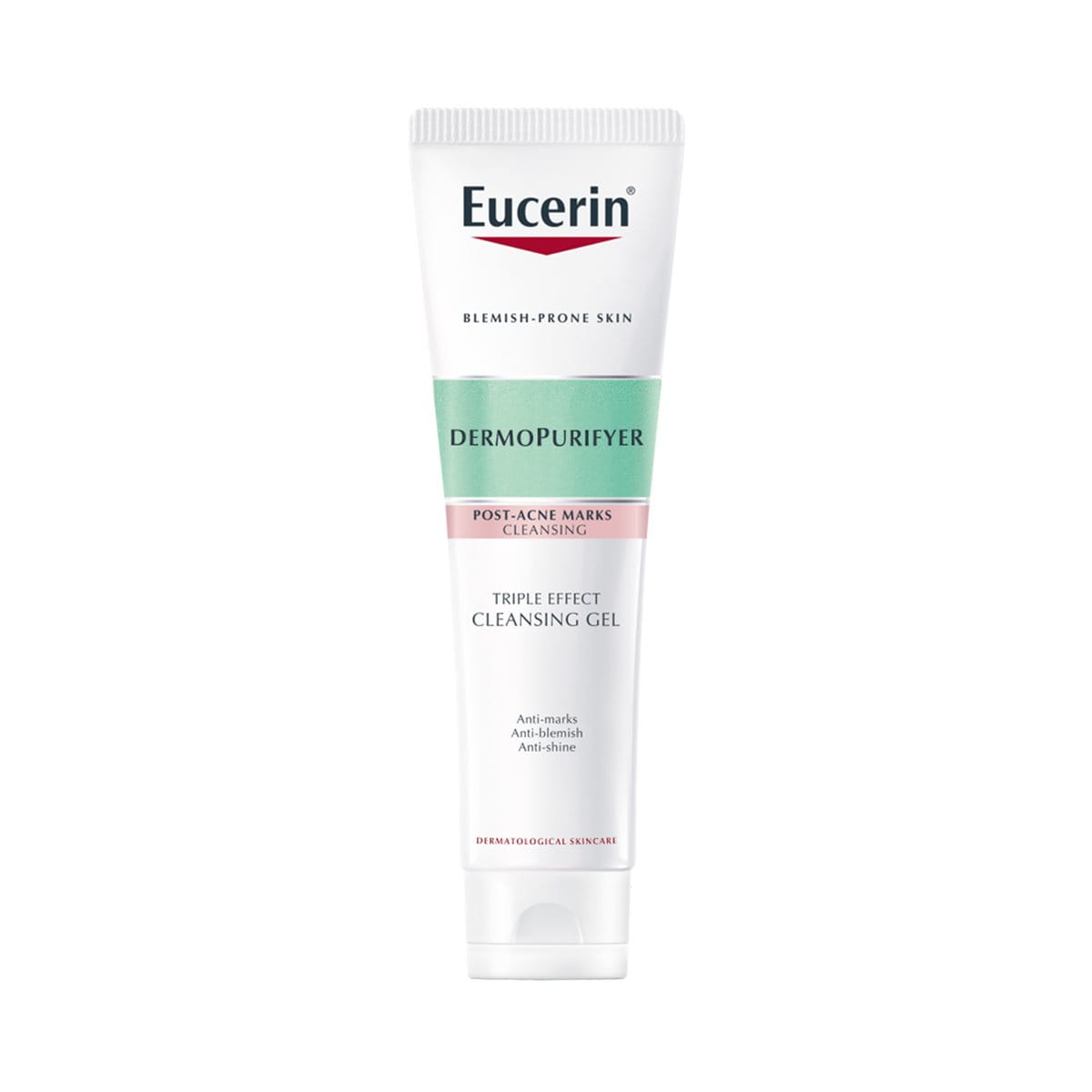
  1. Gently cleanse your face twice daily with DermoPurifyer cleanser to remove dirt and debris accumulated on your face.
  2. Add an antioxidant serum with vitamin C, vitamin E, ferulic acid, or niacinamide to your morning routine to provide an extra defense against environmental damage and boost skin health.
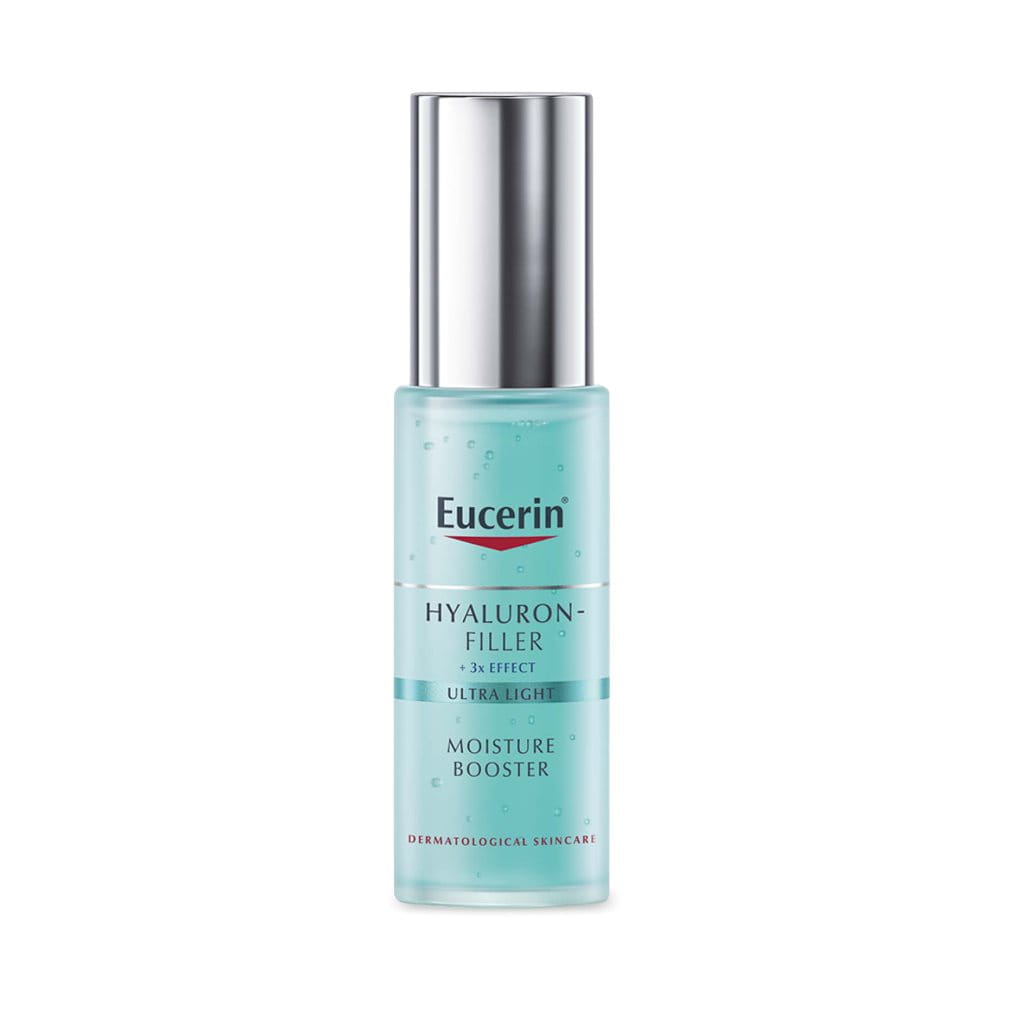
  3. Apply a moisturizer twice daily (Hyaluron Moisture) to lock in hydration and strengthen your skin barrier. Look for moisturizers with ingredients like glycerin, hyaluronic acid, ceramides, and/or peptides to reduce moisture loss.
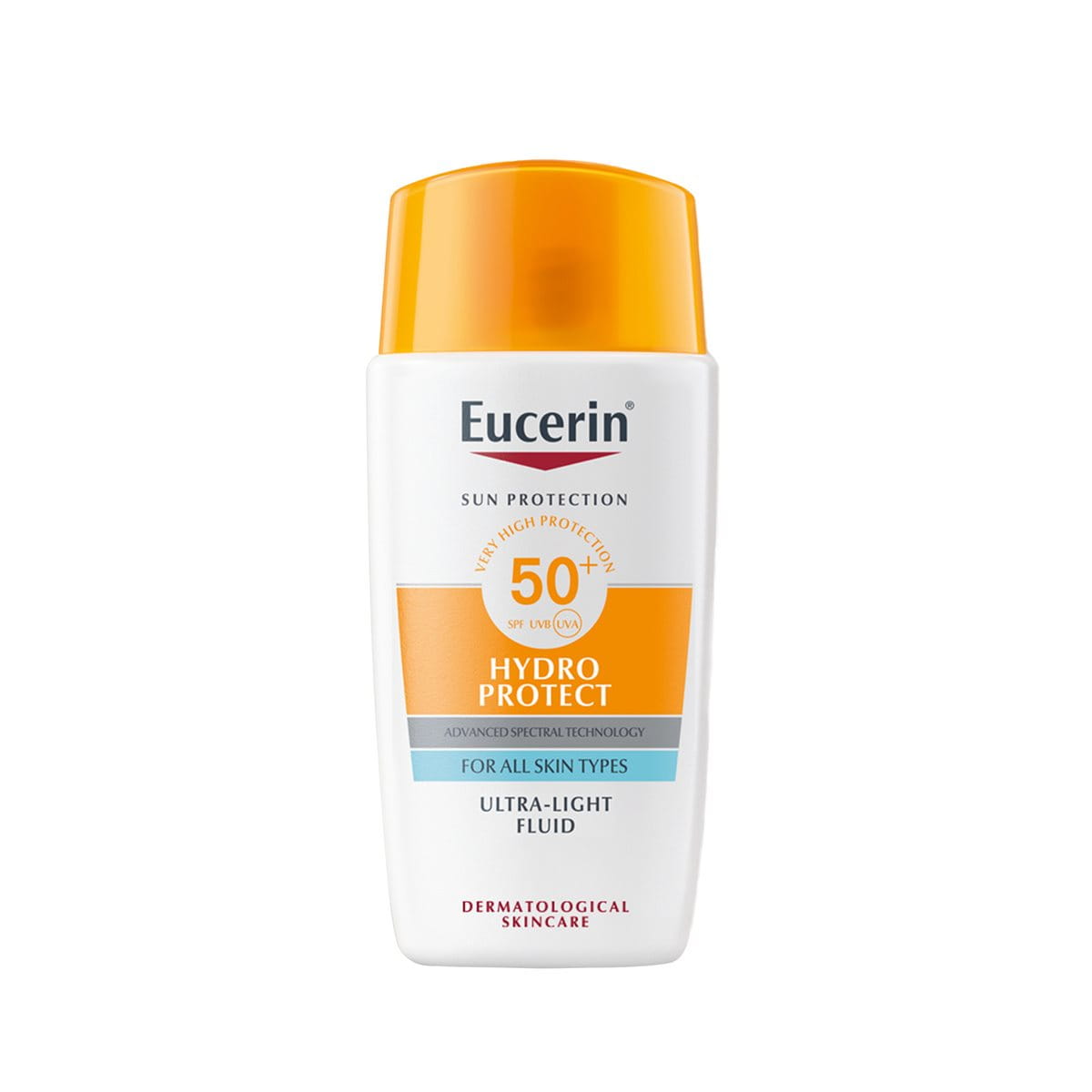
  4. Wear protective hats and clothing, along with a stringent application of sunscreen with SPF 50+ every day.

Best Products to Reduce Fine Lines on Forehead

When you seek out effective products for how to reduce forehead creases, you first need to understand active ingredients, their proper concentrations, and your skin's tolerance level. For retinoid products, prescription tretinoin offers the strongest evidence but may initially cause dryness, redness, and flaking. Over-the-counter retinol with a low concentration can be a gentler starting point for you.

You may also look for hydration booster serums or moisturizers like the Hyaluron range, which contain multiple HA molecular sizes. These help provide surface hydration and create a moisture-retaining film to reduce fine lines and boost skin health.

Be sure to select products specifically designed for forehead wrinkle treatment that combine multiple proven ingredients at concentrations that suit your skin tolerance. Maintain consistency, and with time, you will notice a reduction in forehead wrinkles and lines.

Conclusion

Successfully minimizing the appearance of forehead wrinkles and fine lines requires a multifaceted approach that combines effective treatments, healthy lifestyle habits, and consistent skincare. While you can't control genetics or stop chronological aging, you have significant power to minimize premature wrinkles and their severity through consistent and dermatologically backed skincare practices. Early intervention and sustained commitment to prevention are just what you need to yield the best long-term results.

FAQs:

  1. What causes forehead wrinkles and fine lines at an early age?

    Premature forehead wrinkles and fine lines can typically be attributed to genetic factors, excessive sun exposure, habitual facial expressions, and insufficient skincare practices. External stressors like pollution and smoking can also exacerbate their appearance.
  2. Which forehead wrinkle treatments work best for deep creases?

    Botox coupled with dermal fillers typically offers the most effective treatment for deep forehead creases. Botox relaxes the muscles that create frown lines, while fillers restore lost volume, achieving a smoother appearance.
  3. Can retinol creams and serums reduce fine lines on the forehead?

    Yes, retinol creams and serums may reduce fine lines and wrinkles on forehead. Retinol stimulates collagen production and increases cell turnover, leading to smoother and youthful-looking skin, after consistent usage.

Sources

  • nih.gov - Benefits of topical hyaluronic acid for skin quality and signs of skin aging
  • nih.gov - Treatment of crow’s feet lines and forehead lines with Botox (onabotulinumtoxinA)
  • nih.gov - Immediate and Long-term Clinical Benefits of a Topical Treatment for Facial Lines and Wrinkles
  • nih.gov - Wrinkles
  • Academic.oup - Skin ageing and topical rejuvenation strategies
  • Researchgate - The severity of wrinkling at the forehead is related to the degree of ptosis of the upper eyelid