Bags Under Eyes: Causes, Treatment & Home Remedies

4 min. read
Show more

The skin around our eyes is incredibly delicate and is often the very first area to reveal telltale signs of aging, exhaustion, or environmental wear and tear. One of the most common and frustrating issues we often face is under-eye bags. These puffy protrusions below the lower eyelids are a widespread cosmetic concern that can unfortunately make us look constantly tired, older, or even unwell, no matter how much sleep we've actually had!

To truly tackle under-eye bags effectively, the best starting point is to understand what's actually causing them. This guide is designed to be your essential starting point. We will cut through the complexity and cover root causes and strategies to depuff eye bags. Whether you're experiencing mild morning puffiness or persistent swelling, this article will help you navigate how to reduce eye bags effectively.

Keynotes:

  • Bags under the eyes are mild swelling or sagging under the lower eyelids.
  • They happen due to ageing changes and fluid build-up in the area.
  • Common causes include dehydration, allergies, genetics, and lifestyle habits.
  • Some cases are temporary, while others can be more persistent.
  • Treatment depends on the cause and can range from simple care to clinical options.

What Are Bags Under Eyes?

Bags under eyes, medically referred to as periorbital puffiness, manifest as mild swelling or sagging in the tissues surrounding the lower eyelids.

This phenomenon occurs due to two reasons. Essentially, the structure of the lower eyelid is surprisingly complex, which is held firm by a whole network of supportive layers. As we get older, these layers naturally start to change and loosen up. When that happens, the protective orbital fat, which is supposed to stay tucked back cushioning the eyeball, can gently shift and bulge forward. Adding to this structural change, we often deal with fluid retention, which can significantly worsen the puffiness. This is why bags are often most noticeable in the morning; when we lie down to sleep, gravity allows fluid to pool right in those periorbital tissues.

The appearance of eye bags typically presents as a puffy, swollen area directly beneath the lower lash line, but it can also be accompanied by shadows or a sunken look in the tear trough area, which can make them seem even darker. Its severity varies widely; for some, it’s just a bit of subtle morning puffiness that disappears within a few hours. For others, it can be a persistent, darkened, prominent bulge that sticks around all day long.

Hence, getting rid of eye bags isn't a one-size-fits-all problem, and the best solution depends entirely on understanding the specific mechanism creating the bag in the first place.

What Causes Bags Under Eyes?

The development of bags under the eyes stems from multiple interconnected factors. Here are some of the intrinsic and extrinsic factors that compromise the delicate periorbital area:

  1. Age

    As individuals age, the natural process causes progressive weakening of the periorbital muscles and connective tissue. Structural proteins, which provide support and elasticity in the skin, degrade over time. This drives orbital fat to migrate forward and creates laxity in the skin, resulting in the characteristic sagging appearance associated with mature eyes.
  2. Dehydration

    Insufficient fluid intake can lead to the body attempting to retain water, which can manifest as puffiness, particularly in areas with thin skin like the periorbital region. When dehydrated, blood vessels under the eyes can become more prominent, potentially darkening the area and making existing bags appear worse.
  3. Allergies

    Allergic reactions, such as those to pollen, dust mites, or pet dander, can trigger inflammation and fluid retention around the eyes. This causes a release of histamines, triggering fluid leakage into surrounding tissues, manifesting as noticeable puffiness and swelling, which, if rubbed frequently, can further aggravate the delicate skin.
  4. Genetics

    This plays a substantial role in determining individual susceptibility to developing eye bags. Hereditary factors influence skin thickness, fat distribution patterns, bone structure, and the propensity for fluid retention in specific anatomical locations.
  5. Lifestyle factors

    Certain daily habits, including chronic sleep deprivation, smoking, and excessive ultraviolet exposure accelerate collagen breakdown and compromise lymphatic drainage, both of which contribute to worsening bags under eyes causes.
  6. Medical conditions

    Medical concerns like thyroid disorders, kidney dysfunction, and dermatological conditions may also manifest as periorbital edema, necessitating professional evaluation when eye bags appear suddenly or worsen rapidly.

How to Reduce Eye Bags

Effectively addressing how to reduce eye bags often involves a combination of consistent self-care and professional guidance. Here are some things you can follow to diminish their appearance:

  • Seek a dermatological consultation since a qualified dermatologist can accurately assess the underlying cause and recommend a tailored treatment plan.
  • Get enough sleep, ideally 7-9 hours per night. This allows your body adequate time for repair and reduces fluid accumulation, which is a common contributor to morning puffiness.
  • Avoid a high-salt diet, particularly in the evening, as sodium promotes water retention throughout the body, including the delicate under-eye area.
  • It is crucial to refrain from rubbing your eyes. This seemingly innocuous habit can stretch and damage the thin, sensitive skin, exacerbating existing eye bags and potentially creating new ones.
  • For a temporary solution, a quality concealer can help cover the bags and discoloration, providing an immediate cosmetic improvement.
  • If you have allergies, then stay updated on your allergy medications to prevent inflammatory responses that lead to swelling and irritation.
  • Lastly, be consistent with a targeted skincare routine with active ingredients known to support skin elasticity and reduce puffiness to yield long-term benefits in managing eye bags.

Eye Bags Treatment Options

If you are looking for more definitive solutions for eye bag removal, then these topical applications and clinical procedures may help.

Skincare Ingredients

Several active ingredients stand out for their efficacy for eye bags treatment. These may include:
  • Caffeine is noted for its anti-inflammatory properties and ability to reduce swelling.
  • Retinoids promote collagen production, improving skin elasticity. Vitamin C brightens the skin and helps protect against environmental damage.
  • Peptides boost collagen and elastin, aiding in firming the delicate skin.
  • Hyaluronic acid is a humectant that attracts and holds moisture, providing intense hydration that can plump the skin and smooth fine lines, making puffy eyes appear less pronounced.
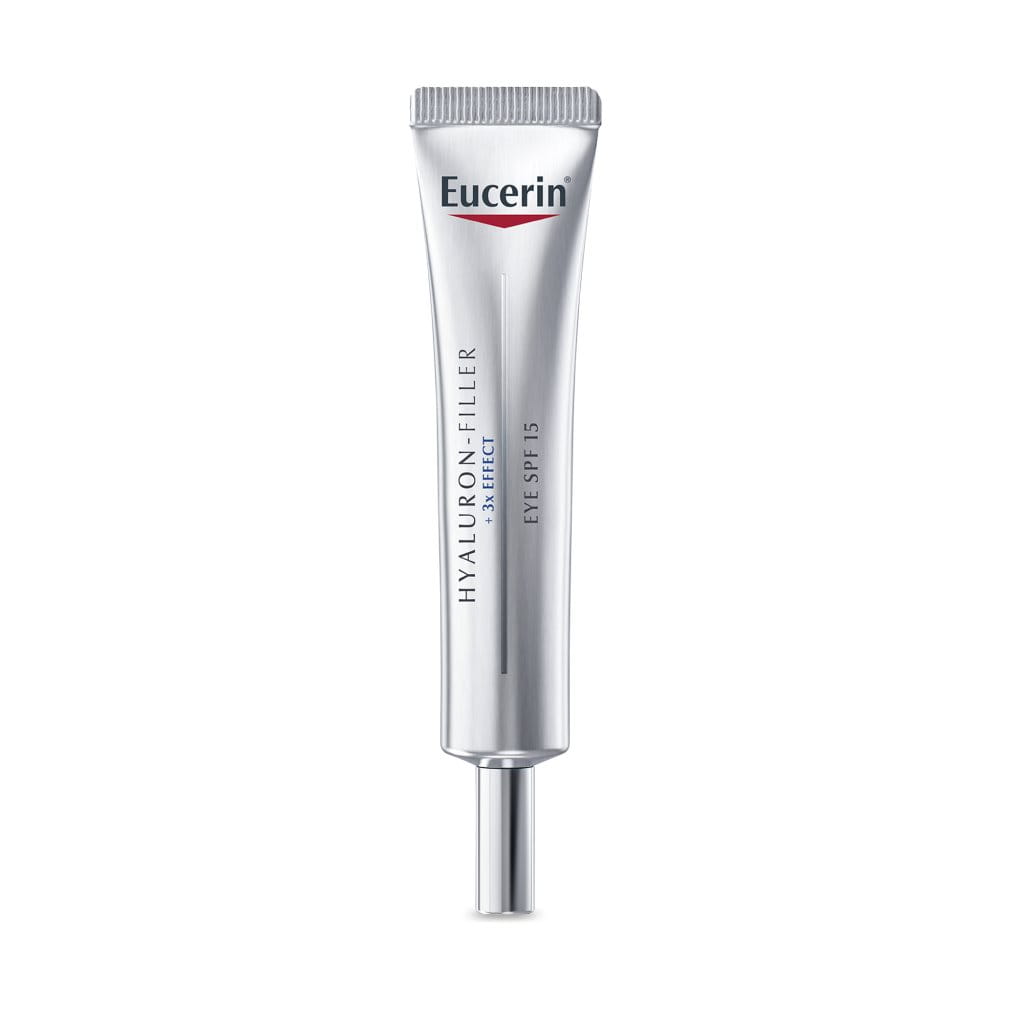
  • Products such as Hyaluron-Filler Eye Cream use hyaluronic acid to hydrate the delicate under-eye area while helping reduce the appearance of fine lines and puffiness.
  • Niacinamide (Vitamin B3) offers anti-inflammatory benefits, improves skin barrier function, and can reduce redness and discoloration.

Clinic Treatments

For those seeking more pronounced results, clinical procedures may be an option as well. These may include:

  • Dermal fillers can be strategically injected into the hollow area beneath the eye bag to smooth the transition between the lower eyelid and the cheek, thereby camouflaging the bulging fat pad.
  • Laser treatments, such as fractional or ablative lasers, can stimulate collagen remodeling, tighten the skin, and improve skin texture and tone in the periorbital area.
  • Chemical peels involve applying a solution to exfoliate the superficial layers of skin, promoting cell turnover and potentially reducing fine lines and improving skin texture.
  • In extreme cases, where significant fat prolapse is present, a surgical procedure known as blepharoplasty may be recommended. This follows a professional surgery in which excess fat, muscle, and skin from the lower eyelid are removed or repositioned to create a smoother, more youthful contour.

Each of these options requires consultation with a qualified medical professional to determine suitability and expected outcomes for eye bag removal.

Home Remedies for Puffy Eyes

Apart from strategic interventions, you may also leverage home remedies to alleviate the appearance of puffy eyes and improve circulation.

  1. Apply a Cold Compress: Place chilled cucumber slices, cold spoons, or a cool gel mask over your closed eyes for about 10 to 15 minutes. The cold temperature constricts blood vessels and potentially reduces fluid build-up and swelling.
  2. Use Chilled Tea Bags: Steep two black or green tea bags, then let them cool completely in the refrigerator. Apply the chilled bags to your eyes for 10 to 15 minutes. The caffeine acts as a vasoconstrictor to help tighten the skin and diminish puffiness.
  3. Drink Enough Water: Keep yourself well-hydrated by drinking plenty of water throughout the day. Consuming adequate water throughout the day boosts cellular hydration, which results in plumper, healthier-looking skin that helps conceal underlying structural changes.

Conclusion

Bags under the eyes emerge from a complex interplay of anatomical, physiological, and environmental factors that affect the delicate periorbital region. While aging remains the predominant contributor, modifiable lifestyle elements also significantly influence the severity and progression of this condition.

To successfully manage bags under your eyes, you must set realistic goals, commit consistently to your chosen treatments, and recognize when it is time to consult a professional. In doing so, you can achieve meaningful improvements in periorbital appearance, resulting in a more refreshed and youthful look that accurately reflects their vitality and well-being.

Learn what causes dark circles and how to reduce them effectively - check out our blog How to remove dark circles for expert tips.

FAQs:

  1. What causes bags under the eyes?

    Bags under the eyes causes include factors such as aging, genetics, fluid retention due to a high salt diet, allergies, insufficient sleep, and dehydration.
  2. How can I reduce or remove eye bags naturally?

    To reduce eye bags naturally, prioritize hydration, maintain a balanced diet, ensure adequate sleep, use soothing eye masks, and apply refrigerated tea bags for temporary relief.
  3. What are the best treatments for puffy eyes?

    Effective treatments for puffy eyes range from topical skincare ingredients to professional clinical procedures such as lasers, fillers, or blepharoplasty for significant puffiness reduction.

Sources

  • aao.org - How to Get Rid of Bags Under the Eyes
  • hopkinsmedicine - How to Get Rid of Bags Under Your Eyes
  • onlinelibrary - Effectiveness and tolerance of multicorrective topical treatment for infraorbital dark circles and puffiness
  • nih.gov - Infraorbital Dark Circles: A Review of the Pathogenesis, Evaluation and Treatment
  • nih.gov - A review of the efficacy of popular eye cream ingredients
  • mayoclinic - Bags under eyes