Nasolabial Folds: Causes, Treatments & Remedies

6 min. read
Show more

The lines that extend from the sides of the nose down to the corners of the mouth are commonly known as nasolabial folds. When we are young, these are often referred to as "smile lines," serving as a charming reminder of happiness.

Over time, these creases naturally become more prominent, which can subtly affect a person's perceived youthfulness, making it a significant cosmetic concern for some individuals. This leads to a growing interest in various treatments to mitigate them. However, since these are natural deep folds in the skin, achieving a drastic reduction typically requires professional intervention.

Before you do so, take a dive with us into the basics of the concern, its causes, and preventative strategies that can complement your treatment to soften the look of these folds and enhance your youthful radiance.

Keynotes:

  • Nasolabial folds, commonly referred to as "smile lines," are natural facial creases that become more pronounced with age.
  • The depth and appearance of nasolabial folds vary among individuals due to factors such as genetics, facial fat distribution, bone structure, and sun damage, making an accurate diagnosis essential for effective treatment.
  • Treatment options for reducing nasolabial folds include dermal fillers, Botox, and noninvasive procedures, alongside skin-rejuvenating skincare ingredients for supportive care.
  • Home remedies such as facial exercises, regular massages, a balanced diet, and adequate hydration can also complement these treatments by promoting skin health.

What Are Nasolabial Folds?

Nasolabial folds present themselves as a pair of bilaterally symmetrical skin creases that originate near the alar base of the nose and extend diagonally downward toward the labial commissures (corners of the mouth). These folds act as a natural boundary between the cheek area and the upper lip region.

Structurally, this region is the point where the facial tissues connect and support the underlying buccal fat pad, creating a visible division in the facial structure. The folds themselves sit within the nasolabial groove, located between the nose and the cheek. As a person ages, these lines typically become longer and deeper, making them more noticeable.

However, the severity and appearance of such nasolabial folds can vary significantly from person to person. Factors that influence their depth and length include genetics, the distribution of facial fat, the quality of the underlying bone structure, and the amount of accumulated sun damage.

Hence, to accurately determine the most effective treatment for an individual, dermatologists classify these folds into three distinct types based on the underlying causes of nasolabial folds. Since each type responds differently to specific interventions, making accurate identification is important for a successful outcome and achieving a youthful appearance.

Causes of Nasolabial Lines and Wrinkles

As you age, the natural breakdown of collagen and elastin causes the skin to lose its elasticity and firmness, making it more susceptible to sagging. This structural change is what primarily leads to the formation of facial folds, such as the nasolabial creases. Additionally, the depth of these creases can be significantly influenced by extrinsic factors, including sun exposure, smoking, repetitive facial expressions, and substantial weight fluctuations. These causes of nasolabial folds, either individually or in combination, contribute to the transformation of the area.

Let’s explore these causes and how they can correlate with the various types of nasolabial wrinkles:
  1. Paranasal Depression

    This manifestation of a nasolabial crease is primarily characterized by a lack of structural volume next to the nose, creating a hollow look. The primary cause of this condition is rooted in the underlying bone structure of the canine fossa, which is naturally concave. When this area experiences structural volume loss, it results in insufficient support for the fat layer located beneath the nasolabial fold line to hold. It is important to note that these appear as shadows created by the underlying architectural volume deficit in the facial structure and not by repetitive skin folding.
  2. Nasolabial Fat Sagging

    This develops because facial tissues attach differently above and below the nasolabial fat pad itself. With age, the buccal fat pad in the cheek descends due to gravity, creating a bulge that hangs over the fold line. At the same time, the superficial fat above the crease often enlarges with age, while the deeper fat below it shrinks. This creates a sharp difference in thickness across the fold, intensifying how deeply the fold appears.
  3. Muscle Action Crease

    These nasolabial lines form primarily through the repeated action of muscles that lift the upper lip. These muscles have fibers that attach directly to the skin near the nasolabial fold that contract and pull on their skin attachment points when a person smiles. This creates a hollow beneath the fold while pushing up the fat layer above it, deepening the crease.

Initially, when you are younger, this crease only shows when you smile or make other expressions. But with repeated use, over the years, our skin undergoes natural changes that make these lines visible even when the face rests.

Treatment Options for Nasolabial Folds

Here are some nasolabial lines treatments you may be prescribed by your dermatologist based on its severity:

Fillers, Botox, and Non-Invasive Procedures

Dermal fillers for nasolabial lines serve as the primary treatment for moderate to severe cases. Nasolabial fold filler injections typically use hyaluronic acid-based products, which work by adding strategic volume to restore lost structural support and effectively smooth out contour irregularities. Both paranasal depression and nasolabial fat sagging types may benefit from the volume restoration and foundational lift that the injections may provide, respectively.

Botox may play a more specific role in managing Type 3 muscle-driven creases. These injections work by relaxing the levator muscles and related muscles that pull on the skin. This approach works best for people whose nasolabial wrinkles show mainly during movement rather than at rest.

Beyond injectables, your dermatologist may also recommend a singular or a combination of non-invasive procedures to reduce nasal folds. These may include radiofrequency or laser procedures, which can potentially improve skin smoothness and may reduce fine etched lines.

Skincare Ingredients for Nasolabial Wrinkles

While professional treatments offer significant impact, a well-structured skincare regimen featuring specific active ingredients can also play a supportive role in improving the appearance of nasolabial wrinkles and maintaining skin health. Some of which include:
  • Hyaluronic Acid (HA): Delivers a plumping effect that can reduce the visibility of fine lines temporarily.
  • Retinoids (Retinol, Tretinoin): These can potentially stimulate cellular turnover and promote collagen synthesis, thereby improving skin texture and depth of superficial wrinkles over time.
  • Peptides: Support the skin's structural integrity and contribute to a firmer, more resilient complexion.
  • Vitamins C and E: Including these antioxidants in your routine can boost collagen synthesis and protection from free radicals to support the skin's barrier function.

Home Remedies to Reduce Nasolabial Creases

You may also supplement your treatment with these home remedies:

  1. Facial exercises

    Facial yoga is often believed to strengthen and tone the underlying facial musculature. Specific exercises for the midface region may include cheek lifts, sustained smile holds, and resistance movements.
  2. Regular facial massages

    These can potentially enhance blood circulation, promote lymphatic drainage, and relax tense facial muscles. Gentle, upward strokes along the nasolabial crease using fingertips or a facial roller may improve fluid drainage, reduce swelling, and enhance local blood flow.
  3. Diet

    Consuming a balanced diet rich in antioxidants, healthy fats, and proteins can potentially help support skin regeneration and collagen production. Your meals should include plenty of fruits, vegetables, whole grains and lean proteins to nourish the skin from within.
  4. Adequate Hydration

    Maintain optimal hydration by drinking ample water throughout the day. Well-hydrated skin appears plumper, smoother, and more resilient, which may contribute to a youthful appearance.

Preventing Nasolabial Folds Naturally

While no one can truly prevent a genetic predisposition, you may try curbing certain factors that significantly influence your skin's health and resilience. For instance:

  • Quit smoking, as it can impact the skin negatively.
  • Apply sunscreen of at least SPF 50+ religiously to reduce the risk of photoaging.
  • Avoid the sun during peak hours and use protective items like wide-brimmed hats for additional protection.
  • Sleep on your back, as lying on your side can cause facial compression, potentially leading to creases.
  • Adopt a well-rounded skincare routine with dermatologically approved anti-aging actives for the best results.
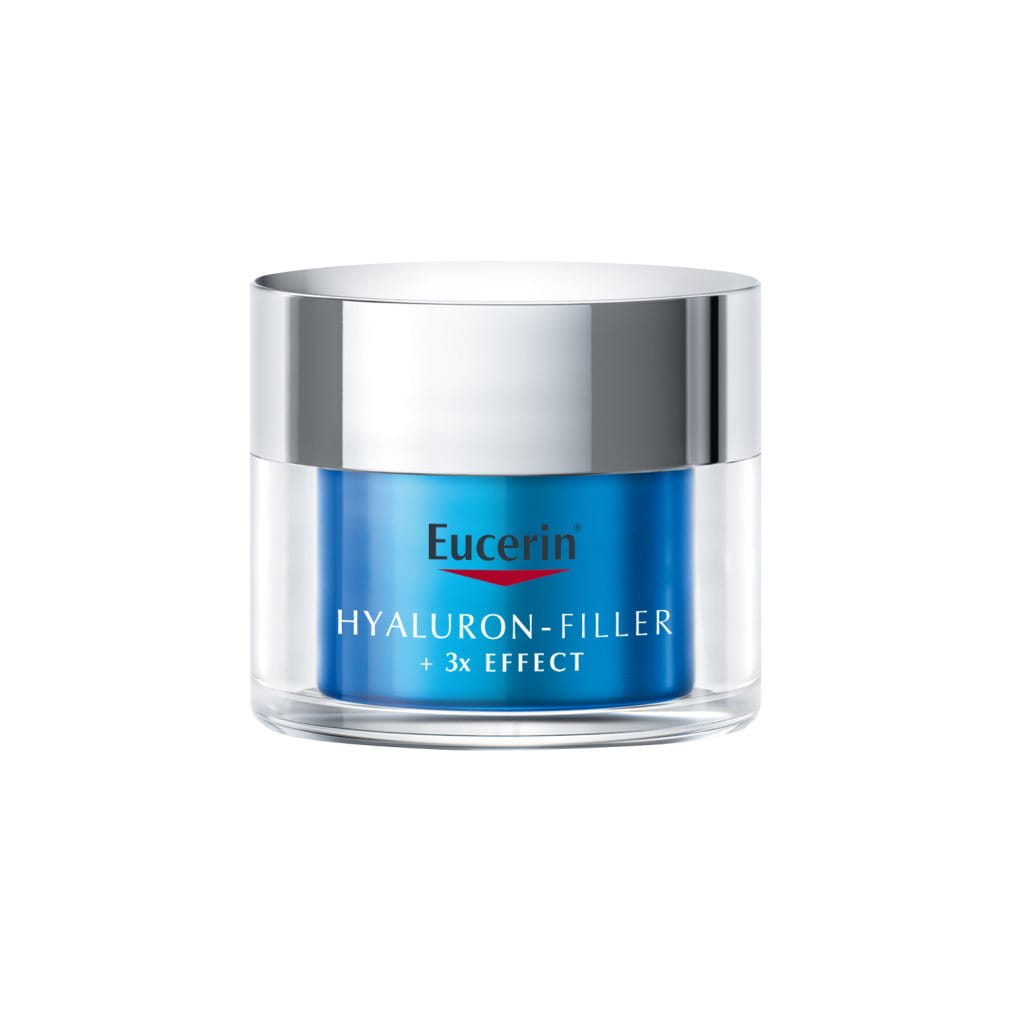
  • Cleanse your face habitually and apply a moisturizer with hyaluronic acid, like the Hyaluron-Filler Moisture Booster Night cream, to promote skin rejuvenation and hydration.

Conclusion

The presence of nasolabial folds is an entirely natural consequence of the aging process, reflecting a lifetime of joyful expressions. However, for those seeking to soften their appearance, a deep understanding of Type A (paranasal depression), Type B (fat sagging), and Type C (muscle action creases) is essential for effective intervention.

Over time, effectively managing these noticeable facial features requires a well-rounded approach that combines professional treatments, regular skincare, and healthy lifestyle habits. By equipping yourself with this thorough approach, you can manage these features with ease and gradually reveal skin that remains plump, youthful, and vibrant year-round.

FAQs:

  1. What causes nasolabial folds and wrinkles around the mouth?

    Nasolabial folds and wrinkles are primarily caused by a combination of factors, including genetic predisposition, natural aging processes, descent of facial fat pads, weight fluctuations, and repeated facial expressions.
  2. What are the best nasolabial fold treatments to reduce lines?

    The most effective nasolabial fold treatment depends on the specific cause and depth of the lines. Professional treatments often include dermal fillers for nasolabial lines, particularly hyaluronic acid-based nasolabial line fillers or Botox, to restore lost volume and smooth the creases. Other options may involve noninvasive technologies like radiofrequency, laser, or targeted skincare with ingredients that boost skin rejuvenation.
  3. Do dermal fillers work for deep nasolabial creases and folds?

    Yes, dermal fillers for nasolabial lines are highly effective for deep nasolabial creases and folds, as they work by adding volume and smoothing the skin's surface thereby reducing the appearance of these folds.

Sources

  • Ijclinmedcasereports - Nasolabial Folds: One Indication and 3 Treatment Modalities
  • nlm.nih.gov - Why Do Nasolabial Folds Appear? Exploring the Anatomical Perspectives and the Role of Thread-Based Interventions
  • nlm.nih.gov - Immediate and Long-term Clinical Benefits of a Topical Treatment for Facial Lines and Wrinkles
  • Onlinelibrary - Effectiveness of a formulation containing peptides and vitamin C in treating signs of facial ageing: three clinical studies