Hyperpigmentation treatment

Retinol: Cream, Serum, What It Is, Benefits & How To Use

6 min. read
Show more

When we talk about anti-aging, few ingredients spark as much excitement and attention as retinol. This powerful derivative of Vitamin A has earned its legendary status thanks to its ability to truly transform your skin, tackling everything from aging signs to dullness and more.

With so many options out there, from retinol creams to concentrated serums, you need to know exactly what retinol does to your skin and, most importantly, how to use it safely in your routine. This guide is designed to answer all your pressing questions, giving you the knowledge you need to effectively and confidently harness retinol's incredible potential.

Keynotes:

  • Retinol transforms skin by converting to retinoic acid, which accelerates cell turnover, boosts new collagen production, and helps even out pigmentation.
  • The ingredient offers wide-ranging benefits, significantly reducing fine lines and wrinkles while also effectively treating acne by regulating oil production and preventing pore clogging.
  • Choose between a lightweight serum (for deeper penetration/oily skin) or a nourishing cream (for sensitive/dry skin) based on your skin type and tolerance.
  • Strictly use broad-spectrum sunscreen (SPF 50+) every morning without fail for best results.

What Is Retinol?

Retinol represents a specific form of vitamin A, classified within the broader retinoid family of compounds. At the molecular level, retinol functions as a precursor molecule that undergoes enzymatic conversion within skin cells. Once absorbed through the epidermis, retinol is metabolized first into retinaldehyde, then ultimately into retinoic acid, which is the biologically active form that directly interacts with cellular receptors.

Understanding Retinol and Its Role in Skincare

Understanding what retinol is for your skin becomes much clearer when you look at how it actually works. When applied topically, this compound doesn't just sit on the surface; it penetrates the epidermal barrier and reaches the deeper layer, the dermis. Once there, it binds to specific retinoic acid receptors (RARs) inside the cell nuclei. This receptor binding initiates gene transcription processes that regulate cellular differentiation, proliferation, and protein synthesis in the skin, fundamentally changing how your skin cells communicate and function.

So, what does retinol do? The ingredient works beyond surface-level. Its effects aren't just surface deep; retinol significantly accelerates your cellular turnover rate, pushing fresh, smooth skin to the surface faster. Crucially, it works down in the dermis to stimulate fibroblast activity, which dramatically boosts collagen production to help firm the skin and soften lines. On top of that, it helps to even out pigmentation by regulating melanin distribution and even calms down oil production, meaning you might see fewer breakouts, too.

Benefits of Retinol for Skin

Retinol benefits are wide-ranging, making it a versatile ingredient for addressing various skin concerns. Here are some of the advantages you may derive upon consistent application:

Anti-Aging and Wrinkle Reduction

One of the most celebrated retinol benefits is its anti-aging prowess. By stimulating collagen production and increasing cell turnover, retinol helps to minimize the appearance of fine lines and wrinkles. As we age, our skin naturally produces less collagen, leading to sagging and the formation of wrinkles. Retinol potentially combats this process by boosting collagen synthesis and promoting the shedding of damaged skin cells, resulting in smoother, more youthful-looking skin.

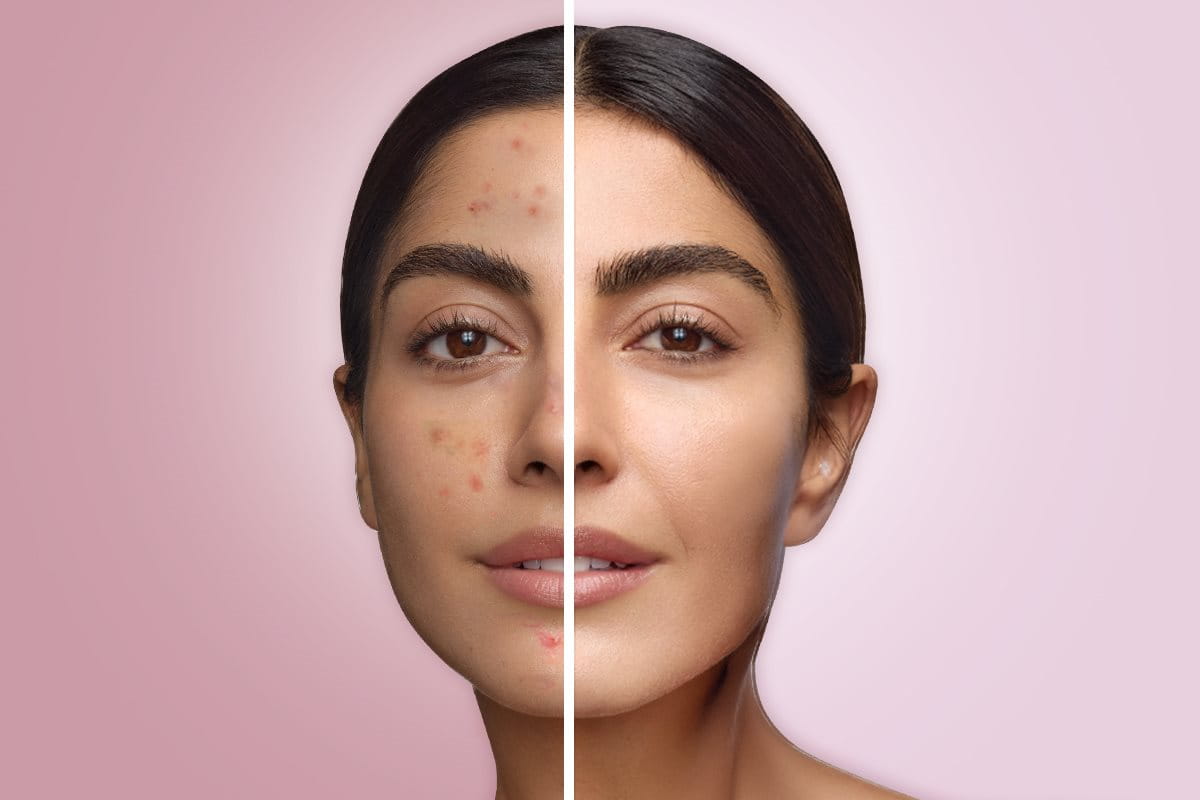
Before vs after acne treatment

Acne Treatment and Skin Renewal

Retinol helps treat acne primarily through its comedolytic activity and ability to regulate oil production. On a cellular level, it works by normalizing the shedding of skin cells inside the follicle by keratinization. This cleanses the buildup of dead cells that would otherwise form a plug and become a comedone.

Apart from preventing pore clogging, retinol may also provide anti-inflammatory benefits and slow down overall sebum production. This combination not only helps clear existing blemishes but also prevents new ones, making it a powerful tool for managing active acne and fading the resulting dark marks or post-inflammatory hyperpigmentation.

Flawless Skin Closeup

Brightening and Evening Skin Tone

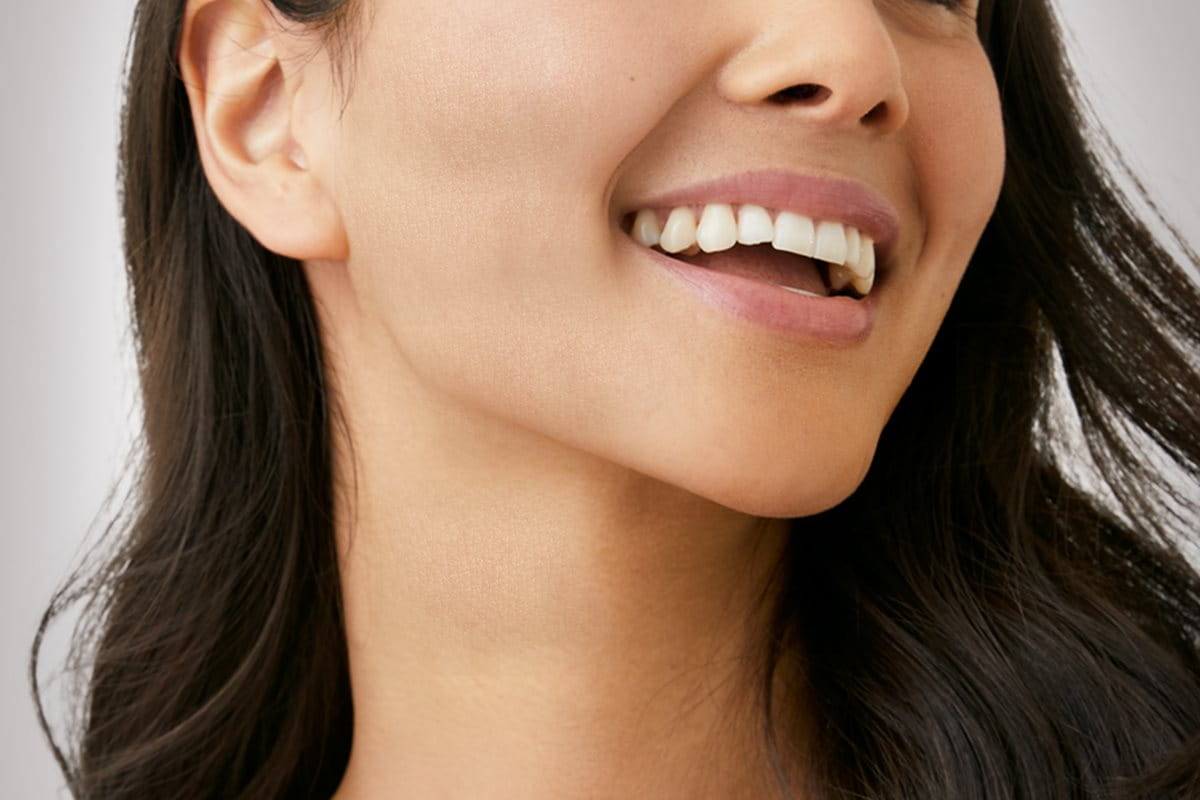
One of the other benefits of retinol is its ability to even out skin tone and brighten one's complexion. The ingredient influences melanogenesis by interfering with tyrosinase activity, which is the enzyme critical for melanin synthesis. This helps in suppressing melanin transfer from melanocytes to surrounding keratinocytes, which results in gradual pigmentation improvement and more uniform skin tone distribution over consistent application periods.


Retinol Creams vs Retinol Serums

Hyaluron-Filler Moisture Booster Face Gel Routine

When selecting a vitamin A product like the retinol cream and retinol serum, the main difference lies in the delivery system, the formula, and your skin tolerance. While both serums and creams may contain the vital active retinol, their composition critically affects their performance and suitability for different skin types.

Choosing the Right Formulation for Your Skin

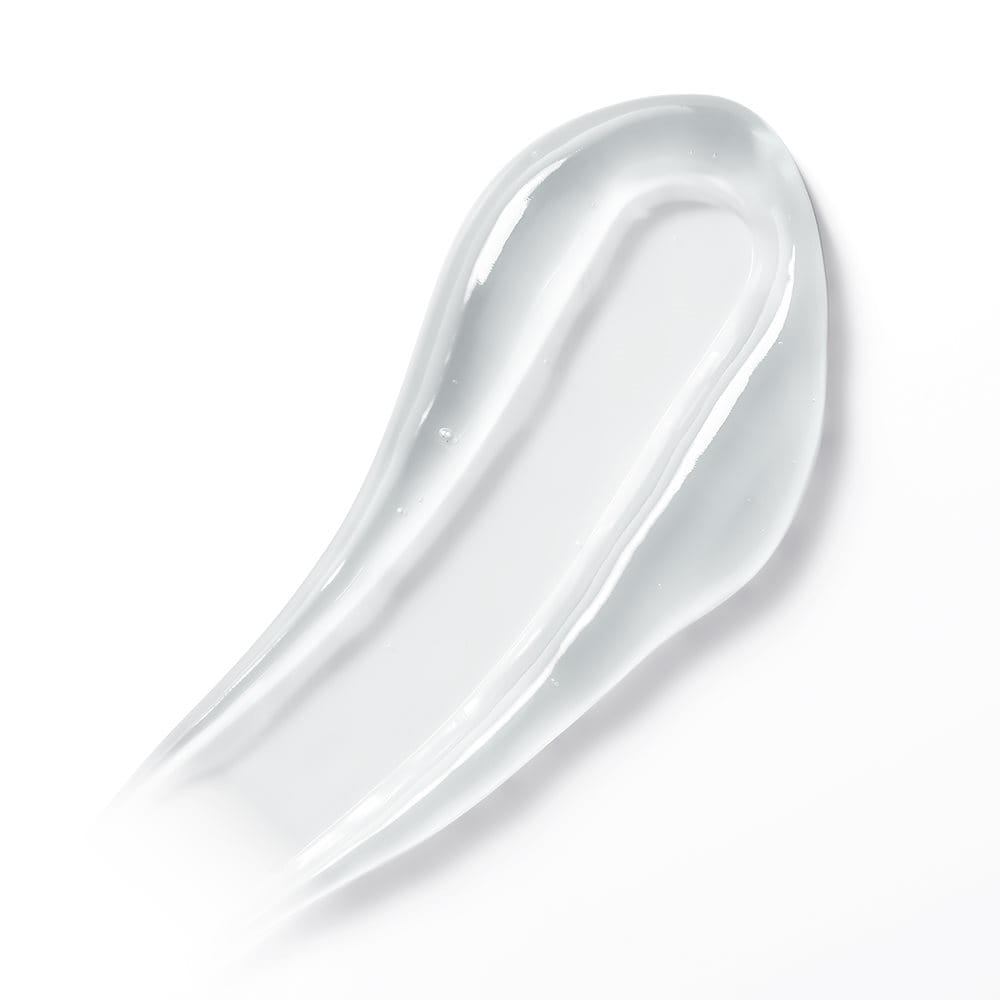
Take retinol serums, for instance. These are designed for targeted delivery and enhanced absorption from the skin. Hence, such formulas are typically light, water- or silicone-based, with minimal occlusive components. Their primary goal is to carry a high concentration of retinol directly and potentially deeper into the skin layers. Because of their thin consistency, serums layer easily under moisturizers and are often the preferred choice for those with oily or combination skin who want maximum penetration without added richness.

In contrast, retinol creams prioritize skin barrier support and irritation reduction. Creams use an emollient-rich base packed with ingredients like lipids, humectants, and occlusive agents. This formulation strategy creates a slower, more controlled release of the retinol, which acts as a buffer against common side effects like dryness and irritation. The thicker, nourishing texture simultaneously addresses moisture loss, making retinol creams ideal for individuals with dry or sensitive skin who need hydration alongside their anti-aging treatment.

By this, we can understand that when selecting a formula, consider your skin's current needs and skin concerns. Opt for a serum when you need an intensive dose of an active ingredient to address specific issues, such as fine lines or blemishes, and your skin barrier is strong. Alternatively, choose a cream if you require a formula that will treat an issue while bolstering a sensitive or dry barrier. Always evaluate the concentration and ingredient list to ensure the product perfectly aligns with your established skincare regimen.

How to Use Retinol Safely

Since retinol is a potent bioactive compound, its application should follow structured guidelines to ensure safety and efficacy.

Recommended Dosage, Frequency & Application Tips

Prep: Apply a small, pea-sized amount of retinol only to completely dry skin after cleansing at night.

Frequency: Start with a low frequency (1-3 times per week) to allow your skin to build tolerance and minimize irritation.

Buffer/Seal: Always follow immediately with a hydrating moisturizer to soothe the skin and prevent excessive dryness or flaking.

Time of Day: Use only in the evening because retinol increases the skin's sensitivity to light (photosensitivity).

Consult: Seek a dermatologist if you have highly sensitive skin and discontinue use if you are pregnant/lactating.

Daytime Essential: Apply broad-spectrum sunscreen (SPF 50+) every morning without exception, as unprotected skin is highly vulnerable to UV damage while using retinol.

Avoid Layering: Do not combine retinol with strong exfoliants like AHAs (glycolic acid) or BHAs (salicylic acid) in the same routine to avoid over-sensitization.

Patience: Listen to your skin; if irritation occurs, reduce the frequency and then gradually increase it once your skin is acclimated.

Retinol Night Creams: Do They Work?

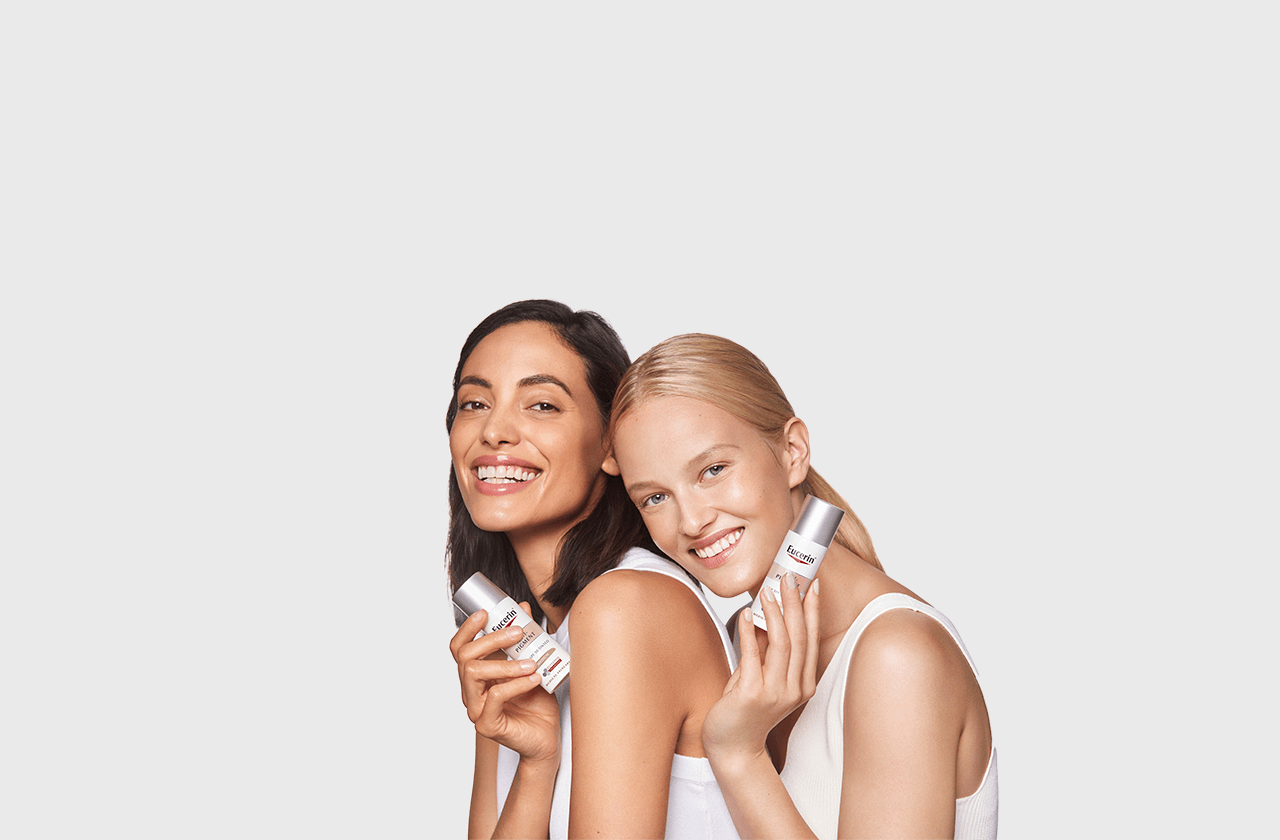
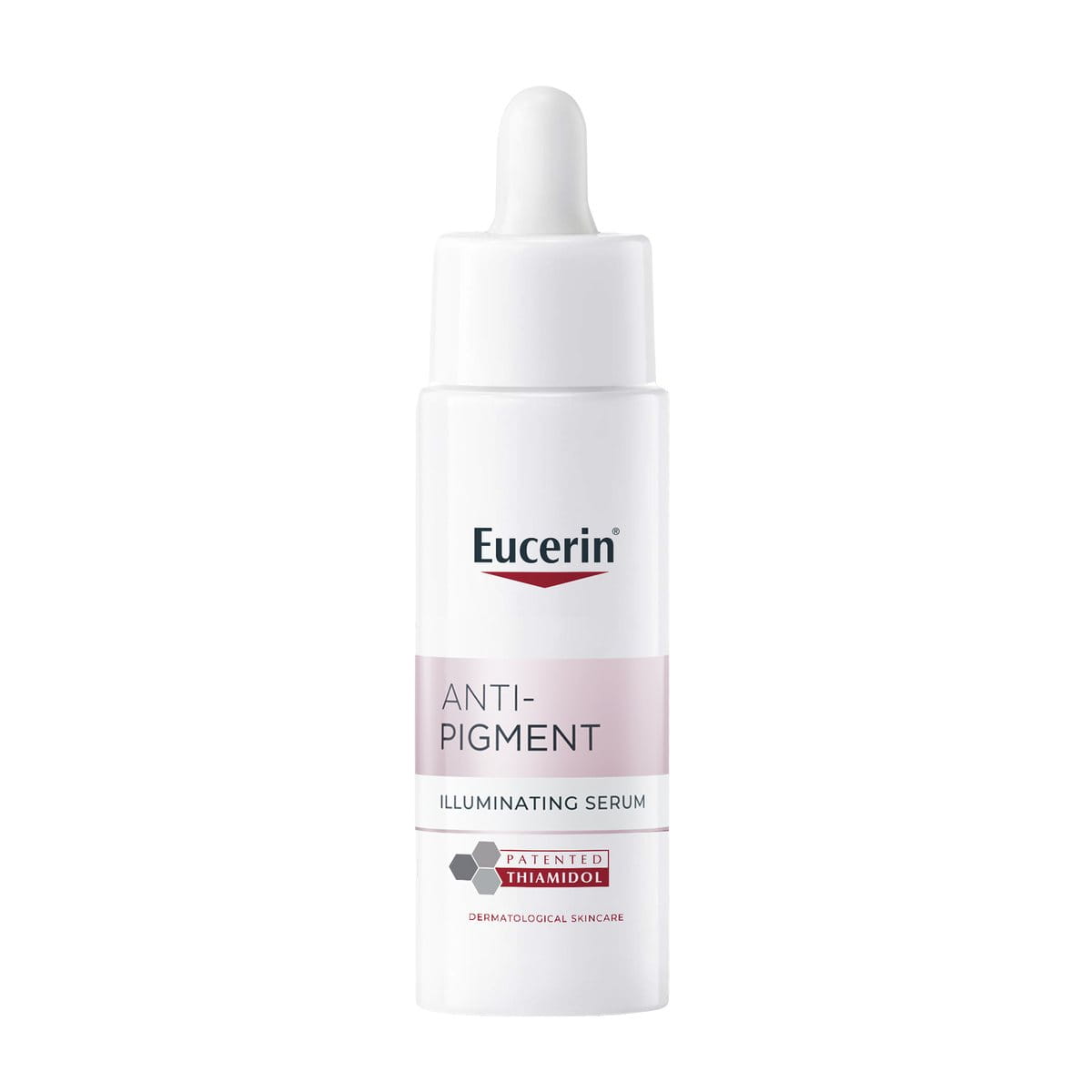
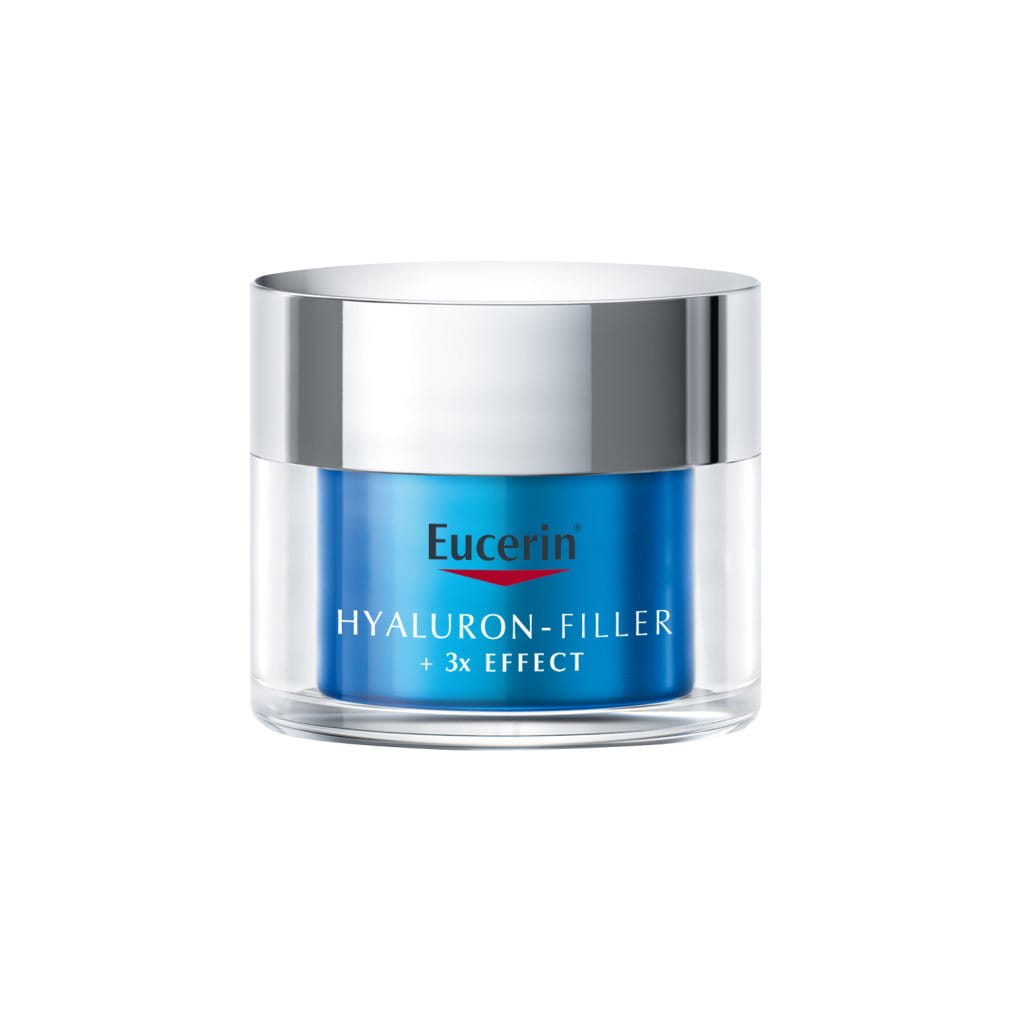
Yes, retinol night creams are effective when formulated correctly, also When paired with products like the Anti-Pigment Skin Illuminating Serum or Hyaluron-Filler Moisture Booster Night Cream, they help minimise irritation and maximise renewal. This is so because they utilize the skin's natural peak repair cycle, which occurs during sleep and away from damaging UV light. These specialized formulations are enhanced with buffering agents like emollients and antioxidants so that the potent retinol can promote cellular turnover and collagen production. They can do all of this while protecting the skin barrier from dryness and irritation with long-term use. With consistent use, retinol creams may improve elasticity, reduce visible fine lines, and support overall dermal rejuvenation.

Side Effects and Precautions

Retinol is celebrated in the skincare world for its wide array of prowess in smoothing fine lines to enhancing overall skin texture. However, while retinol benefits are well-supported by research, it's equally important to be aware of the potential side effects that can accompany its use. Misusing retinol, particularly when you're just starting out, can lead to skin irritation, peeling, or temporary redness. These initial side effects are usually short-lived and are a sign of increased cellular activity as your skin adjusts. By following safety guidelines and using retinol responsibly, you can achieve effective results while minimizing side effects of the ingredient.

Best Retinol Products to Try

When selecting a retinol product, focus on formulations that specify the concentration and are designed for gentle delivery. Look for encapsulated retinol and soothing components like peptides or fatty acids, as these ingredients work together to ensure the active is released gradually, thereby reducing the irritation spike while maintaining efficacy.

Beginners should start with lower strengths, typically 0.25–0.5%, and slowly increase concentration as tolerance builds. Regardless of the strength, always prioritize products in opaque, airless packaging to protect the retinol from light and oxygen degradation. Finally, check the full ingredient list to ensure it's free of unnecessary irritants such as fragrance or drying alcohols, which can compound the skin-sensitizing effects of the retinization process.

Conclusion

Retinol is truly a cornerstone in modern skincare routine, proven by science to genuinely improve your skin's health. Whether you choose a retinol cream or a serum, this powerhouse ingredient works hard to give you a more even, youthful, and resilient complexion.

If you're willing to stick with it through the initial adjustment phase and apply it consistently, retinol can offer some of the most dramatic and meaningful improvements you can get from any topical skincare product. It's an investment in your skin's future that is absolutely worth the effort to make it a part of your routine.

FAQs:

  1. What does retinol do to the skin and how does it work?

    Retinol increases cellular turnover and boosts collagen synthesis by converting into retinoic acid within the skin. This process enhances elasticity, refines texture, and diminishes fine lines, providing visible improvements in skin smoothness and tone.
  2. Is retinol cream or retinol serum better for beginners?

    Beginners are generally recommended to start with a retinol cream due to its buffered, moisturizing formulation. Once the skin adapts, users may transition to retinol serums for stronger, more targeted performance.
  3. How often should I use retinol night cream for the best results?

    You may begin by applying retinol night cream one to two times a week at first and check how your skin reacts to the formulation. You can gradually increase to two to three times a week after your skin tolerance improves.

Sources

  • nih.gov - Retinoids in the treatment of skin aging: an overview of clinical efficacy and safety
  • nih.gov - Retinoids: active molecules influencing skin structure formation in cosmetic and dermatological treatments
  • nih.gov - Retinol and retinyl esters: biochemistry and physiology
  • nih.gov - RETINOIC ACID SYNTHESIS AND DEGRADATION
  • Harvard - Do retinoids really reduce wrinkles?
  • Mdpi - Human Skin Aging and the Anti-Aging Properties of Retinol