Women Posing for Eucerin

Skin Blemishes: Types, Causes & How to Remove Blemishes on Face

6 min. read
Show more

Skin concerns can affect anyone, and one of the most common issues people deal with is a blemish. These marks can look different from person to person, and their causes also vary. While some fade on their own, others need extra care. Understanding how they form helps you choose the right approach to manage them and improve skin clarity. This guide explains what blemishes are, the different types of skin blemishes, what causes them, and how to remove them safely.

Keynotes:

  • Blemishes appear as spots, dark patches, scars, or redness and affect the skin’s overall appearance.
  • Understanding the types of marks helps you choose the right way to manage them.
  • Several internal and external factors contribute to the development of skin marks.
  • A consistent and gentle routine supports clearer and more balanced skin.
  • Professional care, home remedies and healthy habits all play a role in improving skin clarity.
What Are Blemishes?

A blemish is any mark or spot that appears on the skin due to a range of reasons, such as inflammation, clogged pores, or pigmentation changes. Many people use the word 'blemish' to describe a spot, but the term actually covers redness, acne marks, dark patches, scars and uneven texture. Blemishes on the face and body show up when the skin experiences stress or irritation.

Even though blemishes are common, they can affect how your skin looks and how you feel. Mostly blemishes respond well to the right skincare routine and healthy lifestyle habits.

What Are Blemishes on the Face and Skin?

Blemishes on the skin can appear in several forms. Some show up as raised bumps, while others appear as flat marks or patches. Blemishes on the face tend to be more noticeable because facial skin is more exposed to the environment and often more sensitive.

When people ask what blemishes on the face are, the answer usually includes acne spots, dark marks, red patches or leftover scars from old breakouts. These change the skin tone or texture and may linger for weeks or months without proper care.

Difference Between Spots, Marks and Pigmentation

Many people get confused with spots, marks and pigmentation, but each one is different.

Spots are active breakouts. These include whiteheads, blackheads and inflamed bumps caused by clogged pores or bacteria.

Marks are the flat or slightly dark traces left behind after a spot heals. These marks form due to surface irritation and may fade gradually.

Pigmentation forms when the skin produces excess melanin. This leads to dark spots that take longer to lighten. Pigmentation can develop after acne or sun exposure.

Knowing the difference helps you pick the right blemishes treatment because each type needs a specific approach.

Types of Skin Blemishes

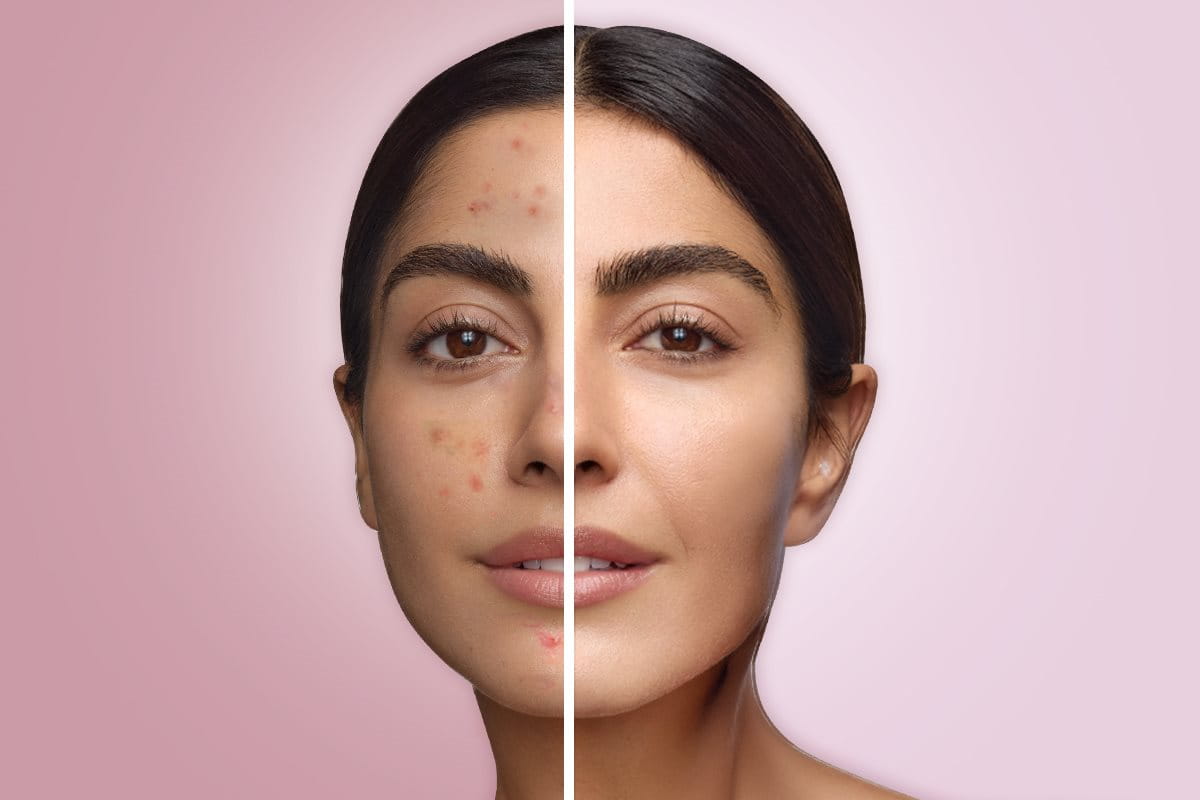
Before vs after acne treatment

Skin blemishes vary in appearance. Some fade quickly, while others need consistent care.

Acne Blemishes and Post Acne Marks

Acne blemishes show up when pores become blocked with oil, dirt and dead skin cells. These often appear as small bumps or red spots. Once acne heals, it may leave behind post-acne marks. These marks sit flat on the skin and appear slightly darker than the rest of the area. They are common in blemish-prone skin and usually need targeted skincare to fade.

Dark Spots and Hyperpigmentation

Dark spots form when the skin produces extra melanin. Hyperpigmentation may appear due to sun exposure, hormonal changes or inflammation. These spots often take longer to fade and may require a serum that targets pigmentation. They affect people of all skin types and show up most often on the face, neck and hands.

Redness, Scars and Uneven Texture

Some blemishes show up as redness or irritation. These are common after sun exposure or harsh skincare products. Scars develop when the skin tissue heals differently after a skin injury or a severe breakout. Uneven texture can appear due to repeated irritation or leftover marks from acne. These issues need gentle exfoliation and soothing products to restore smoothness.

Blemish Prone Skin vs Acne Prone Skin

Blemish-prone skin tends to develop marks easily, even after mild irritation. This skin type may not always have acne, but it often faces dark spots, redness or uneven tone. Acne-prone skin is more likely to develop breakouts due to excess oil production and clogged pores.

Understanding your skin type helps you select products suited to your needs. Someone may not have acne but can still have blemishes on the skin due to pigmentation or sensitivity.

Causes of Blemishes on Skin

Blemishes appear for different reasons. Some are external, while others come from within the body.

Hormonal Imbalance and Stress

Hormonal imbalance is one of the most common reasons for blemishes on the face. When hormone levels change, oil glands become more active, which leads to clogged pores. Stress can also affect hormone levels and slow down the skin’s natural healing process. This combination makes marks stay longer and contributes to frequent flare-ups.

Sun Damage and Pollution

Sun exposure triggers excess melanin production, leading to dark spots and uneven tone. It also slows down recovery from old blemishes. Pollution increases the number of free radicals in the skin. These harmful particles irritate the surface and make blemishes more visible. Daily sun protection and cleansing help reduce these effects.

Improper Skincare and Diet

Using harsh skincare products or skipping essential steps like cleansing and moisturising can irritate the skin. This irritation leads to redness or marks. Diet also affects the skin. High sugar foods, processed items and dehydration make the skin dull and prone to breakouts. A healthy routine supports faster recovery from blemishes.

How to Remove Blemishes

Flawless Skin Closeup

After understanding what are blemishes on skin, you can manage them with patience and a consistent routine that helps your skin look clearer and more balanced.

Dermatologist-Recommended Blemish Treatments

Dermatologists usually recommend a mix of treatments depending on the type of blemish. Chemical peels help exfoliate the skin and improve texture. Retinoids increase cell turnover and reduce marks. Laser therapy targets deeper pigmentation. These treatments work well for stubborn blemishes and post-acne marks, especially when done under expert guidance.

If you are unsure how to remove blemishes safely, consulting a dermatologist is a good place to start.

Home Remedies and Natural Ingredients

Some natural ingredients may help lighten marks and improve overall skin tone. Aloe vera soothes irritation. Honey hydrates and supports the healing process. Turmeric has anti-inflammatory properties and may help reduce redness. Home remedies work best for mild blemishes. For deeper marks or pigmentation, you may need more targeted products.

Lifestyle Tips for Clearer Skin

Simple daily habits play an important role in promoting clear skin. Drinking enough water keeps the skin hydrated. Sleeping well helps the body repair itself overnight. Regular exercise improves blood circulation and gives your skin a healthy glow.

Avoid picking at spots because it increases the chance of marks. A gentle routine helps maintain smoother and healthier skin over time.

Best Products for Blemish-Prone Skin

Oil control skincare products

Skincare products with targeted ingredients can support the reduction of blemishes.

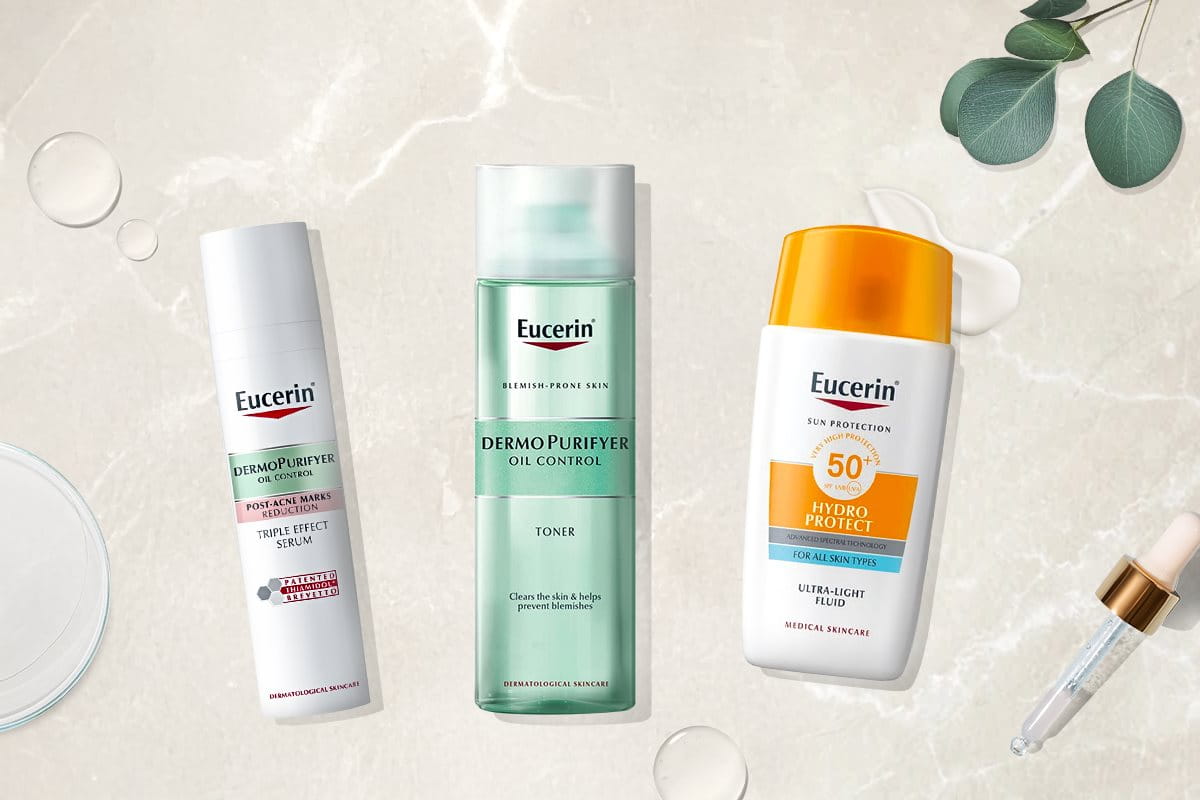
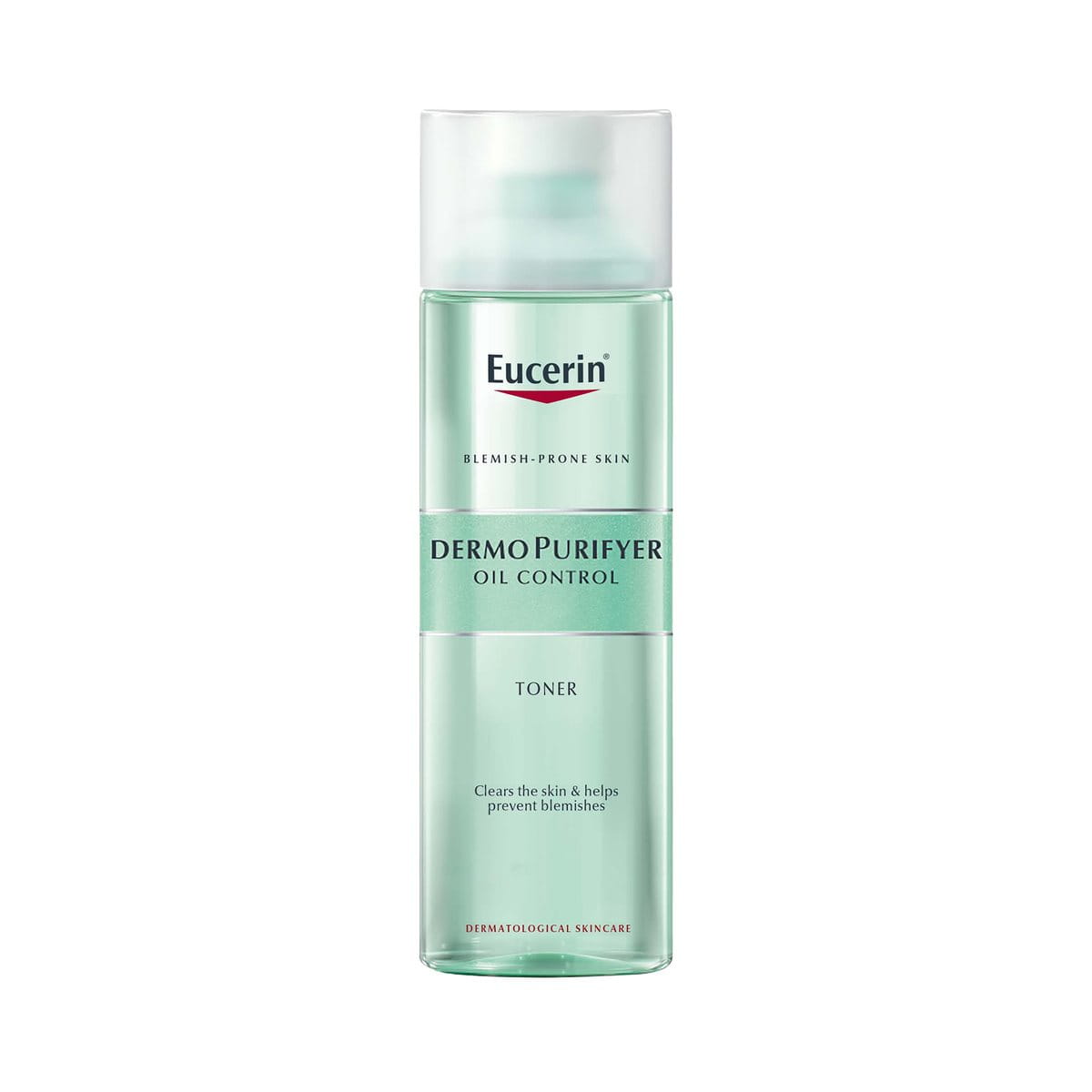
A toner can help balance the skin and remove leftover impurities. The Eucerin DermoPurifyer Toner is suitable for oily and blemish-prone skin because it helps unclog pores and refine texture. When used consistently, it supports a clearer appearance and prepares the skin for the next step in your routine.

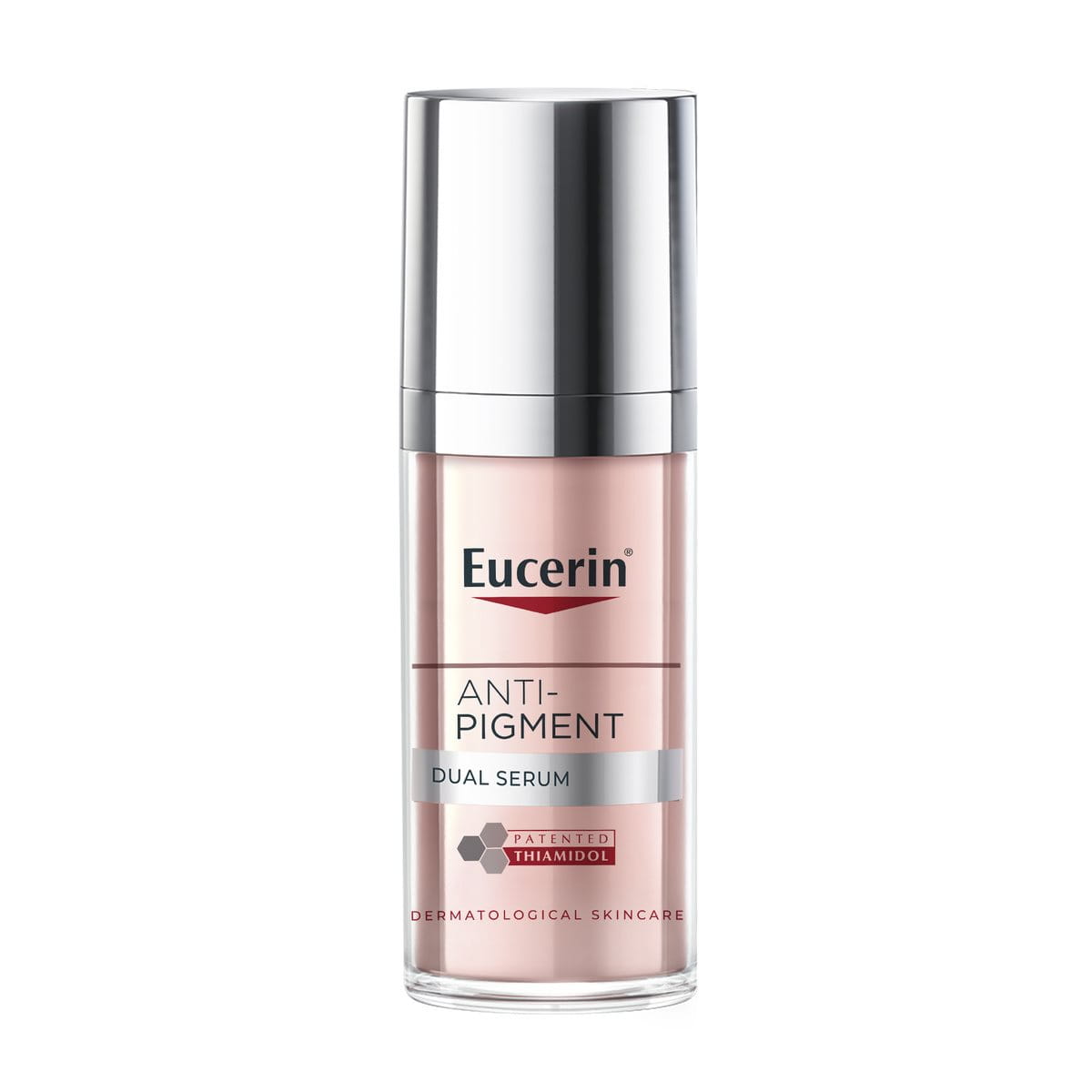
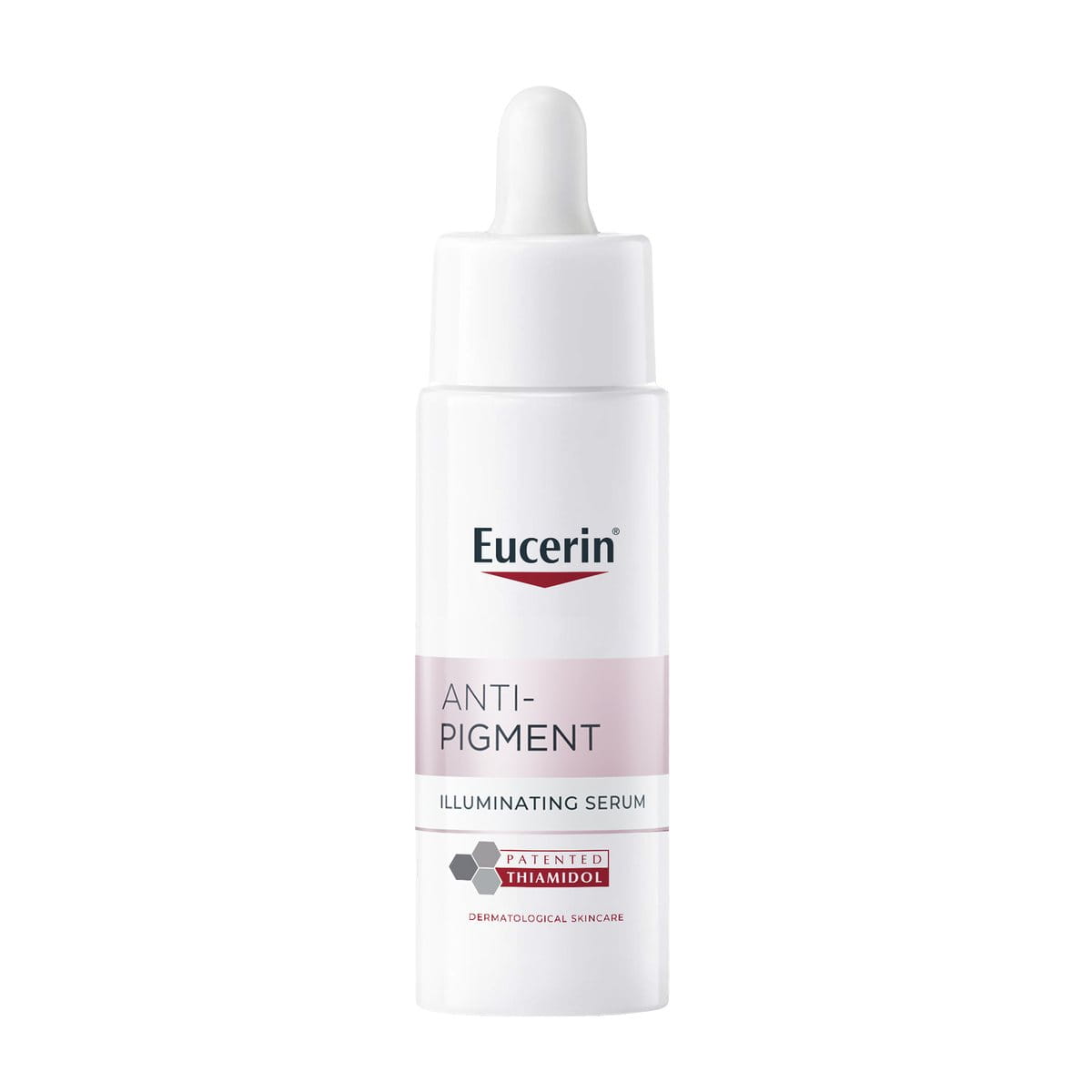
For dark spots and pigmentation concerns, the Eucerin Anti Pigment Dual Serum is a strong option. It reduces the intensity of dark patches and helps even out the skin tone. With regular use, you may notice a more balanced appearance and fewer visible marks.

Choosing products suited to your skin type helps you manage blemishes more effectively over time.

Conclusion

Skin blemishes are common and can appear for many reasons. Whether you are dealing with acne marks, dark spots or uneven texture, understanding what causes them helps you choose the right approach. A mix of proper skincare, healthy habits and guidance from professionals can improve skin clarity. With consistent care, blemishes on the face and body become easier to manage, leaving your skin looking healthier and more even.

FAQs:

  1. What causes blemishes on the face and skin?

    Blemishes appear due to clogged pores, hormone changes, sun exposure, stress and irritation. Diet, pollution and improper skincare routines also contribute to marks and uneven patches.
  2. How can I remove blemishes naturally at home?

    You can use aloe vera gel, honey or turmeric for mild marks. These ingredients soothe the skin and support healing. Natural remedies work best when used regularly along with a good skincare routine.
  3. What is the best treatment for blemish-prone skin?

    A combination of gentle cleansing, targeted serums and dermatologist-recommended treatments works well. Products like the DermoPurifyer Toner and Anti Pigment Dual Serum help manage blemishes and improve skin tone when used consistently.

Sources

  • Medicalnewstoday - What to know about skin blemishes
  • nih.gov - Retinoids: active molecules influencing skin structure formation in cosmetic and dermatological treatments
  • nih.gov - Chemical Peels for Skin Resurfacing
  • nih.gov - Honey in wound healing: An updated review
  • nih.gov - The Effect of Aloe Vera Clinical Trials on Prevention and Healing of Skin Wound: A Systematic Review
  • Clevelandclinic - Laser Skin Resurfacing