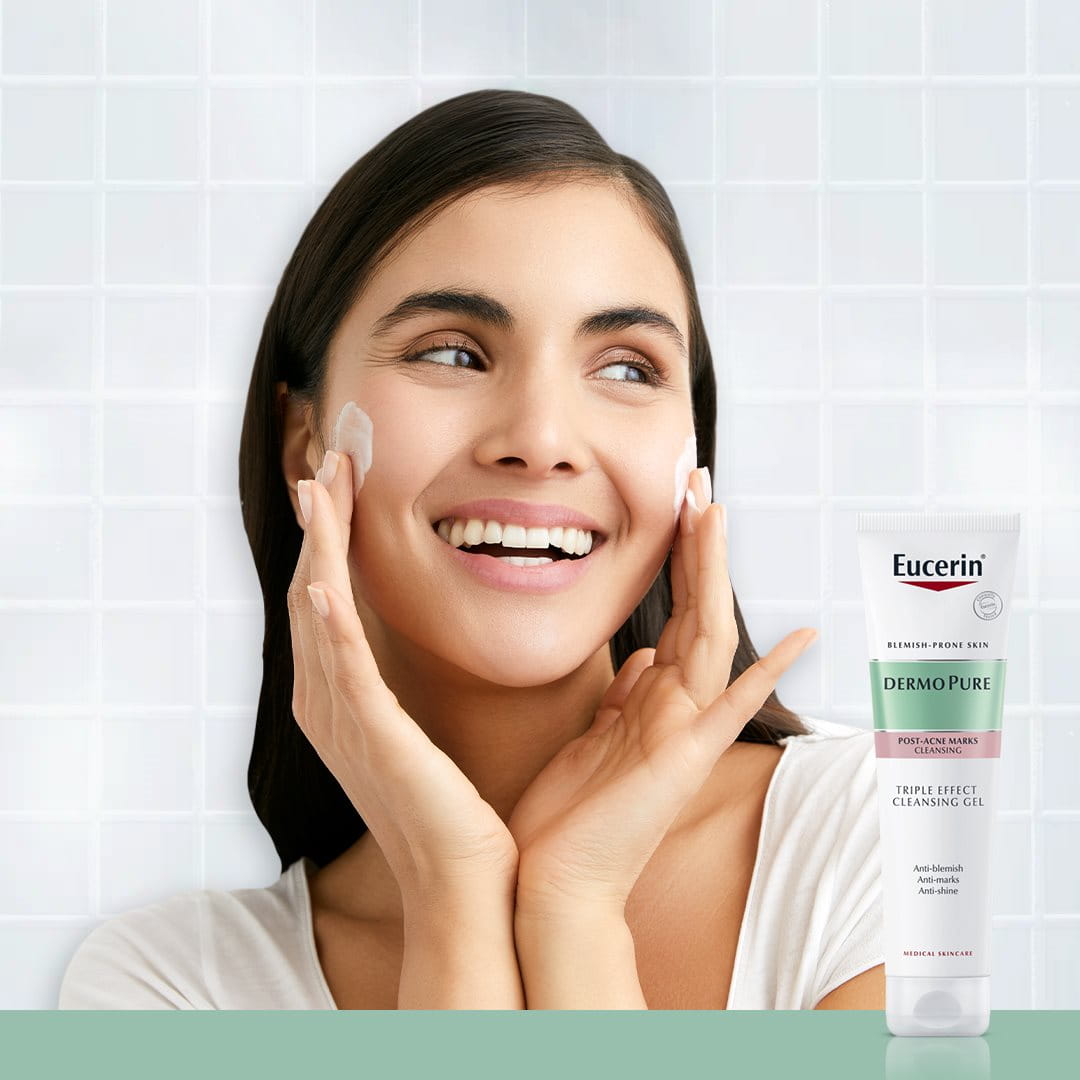
Women Posing for Eucerin

How to Get Smooth Skin: Remedies, Products & Treatments

4 min. read
Show more

Many people want smooth skin, but most of us deal with texture issues at some point. Some days your skin looks calm and even, and on other days it feels rough or looks dull without any clear reason. There isn’t one single fix that works for everyone, but a mix of the right skincare steps, good habits and a bit of consistency usually helps the skin settle and look smoother. This guide looks at why texture changes, how to get smooth skin on the face and how certain products or treatments make a real difference when used properly.

Keynotes:

  • A simple routine with gentle cleansing and daily sunscreen helps the skin stay smooth.
  • Dryness and dead skin buildup are common reasons the skin starts to feel uneven.
  • Light exfoliation helps clear pores and improves how the skin feels.
  • Aloe vera, honey, yogurt and rice water can support smoother skin when used often.
  • Good eating habits, enough water and consistency help maintain healthy, smooth skin.

Why Skin Becomes Rough or Uneven

Skin changes all the time. Weather can dry it out, and sometimes hormones cause breakouts. Certain ingredients suit your skin, while others irritate it. All these small factors slowly affect how your skin feels. When people notice roughness, it usually comes from a combination of dryness, dullness, clogged pores or simply not giving the skin enough support.

Dryness, Dead Skin & Dehydration

Dryness is one of the most common reasons behind rough or flaky skin. When the skin doesn’t hold moisture well, the surface becomes tight and uneven. Small dry patches appear, and makeup doesn’t sit smoothly. As this continues, dead skin builds up and gives the face a tired look. Dehydration can also add to this problem. It affects anyone, whether you have dry, oily or combination skin. Dehydrated skin lacks water, not oil, which is why it looks dull even when it feels slightly greasy. When dryness and dehydration occur together, the texture becomes uneven, and you may feel roughness when you run your fingers across your cheeks or forehead.

Learn more on Dry Skin Causes and How to Treat It on our blog: Causes of Dry Skin

Acne, Texture & Pore Congestion

Another common reason for uneven skin is congestion. Pores easily trap oil, sweat and dirt. When this happens, bumps start appearing on the skin surface. They may not always be painful acne spots, but they create a grainy texture. Picking at these bumps usually makes them worse and can leave behind marks. When congestion repeats over months, the skin doesn’t get enough time to return to a smooth state. A simple routine that focuses on cleansing and gentle exfoliation helps keep pores clear and reduce the look of uneven texture.

Learn more on Acne marks and how to get rid of them on our blog: acne treatment

Tips for Smooth and Healthy Skin

Flawless Skin Closeup

Getting smooth skin isn’t usually about complicated steps. Most people see improvements when they stick to a few daily habits. These tips for healthy skin are practical and easy to follow, even when you have a busy routine.

Healthy Skin Tips for Face (Daily Habits)

Start with the basics. One of the most reliable tips for smooth skin is to wash your face with a gentle cleanser in the morning and before bed. This removes dirt, sweat and any leftover skincare products. Harsh cleansers can make roughness worse, so choose something mild that doesn’t leave your face feeling tight.

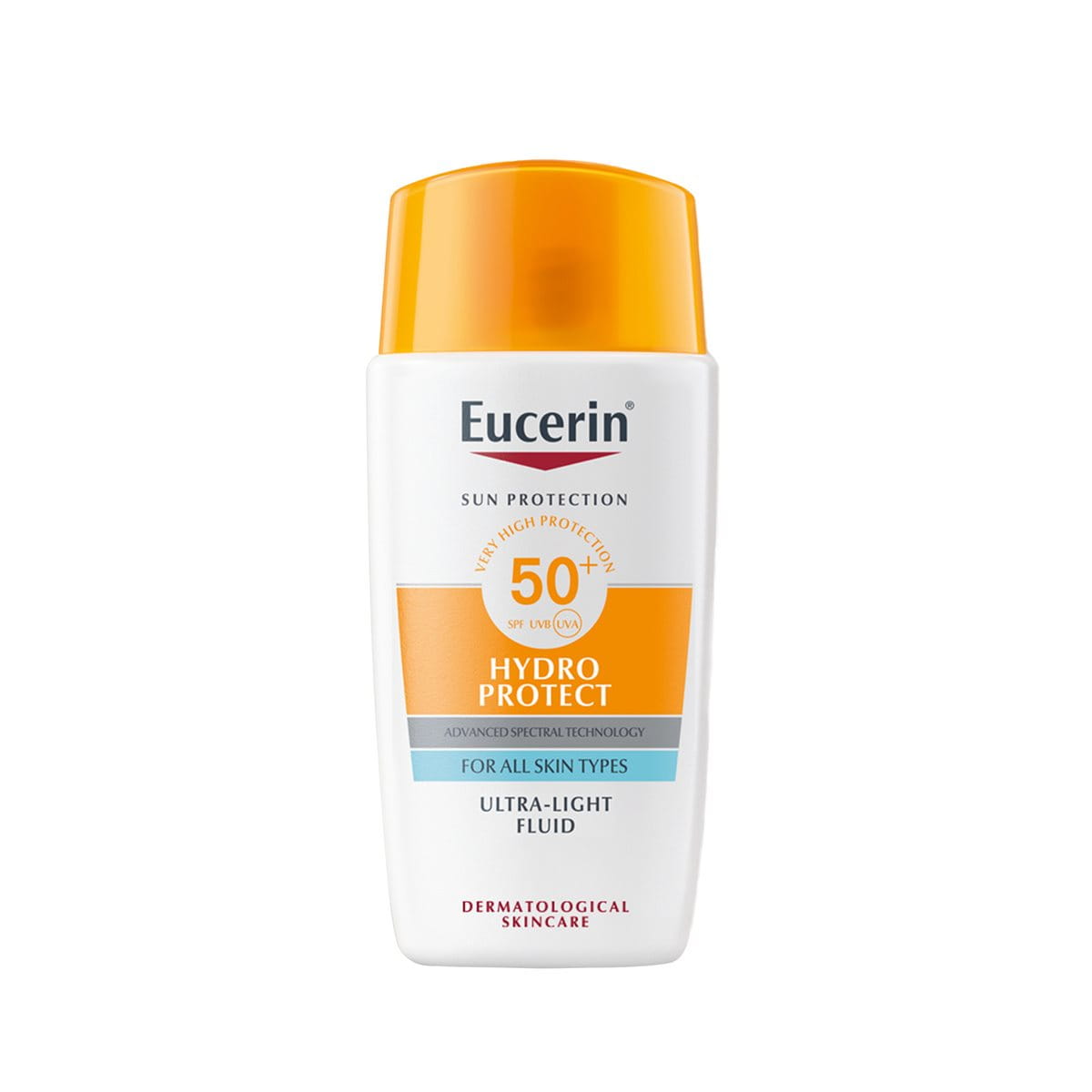
Use sunscreen every morning. Even on days when you stay indoors, a bit of UV exposure can affect the texture and make the skin look older over time. Sunscreen keeps the skin barrier stronger and reduces the chance of roughness coming back after you improve it.

Try not to touch your face too often. Hands carry oil and bacteria, which clog pores easily. Also, make sure your pillowcase stays clean because fabric absorbs oils from your skin and hair. These are simple healthy skin tips for face, but they genuinely help set a good base for a smoother texture.

Diet & Hydration for Smooth Skin

Diet has a bigger impact on the skin than many people realise. When you eat foods rich in vitamins, antioxidants and healthy fats, your skin gets the nutrients it needs to look fresh. Fruits, vegetables, nuts, seeds and whole grains support healthy skin. Omega-rich foods like walnuts and oily fish help maintain the skin barrier.

Hydration matters as well. When the body gets enough water, the skin appears softer and less dull. Drinking water alone doesn’t fix roughness, but it supports the rest of your routine. Avoid very sugary or greasy foods if your skin gets congested easily. Small dietary changes often show up on the skin within a few weeks.

How to Get Smooth Skin on Face

Double cleansing skincare

If you’re wondering how to get smooth skin, start with a routine that focuses on balance rather than intensity. Harsh products often make the texture worse.

Cleansing & Exfoliation Routine

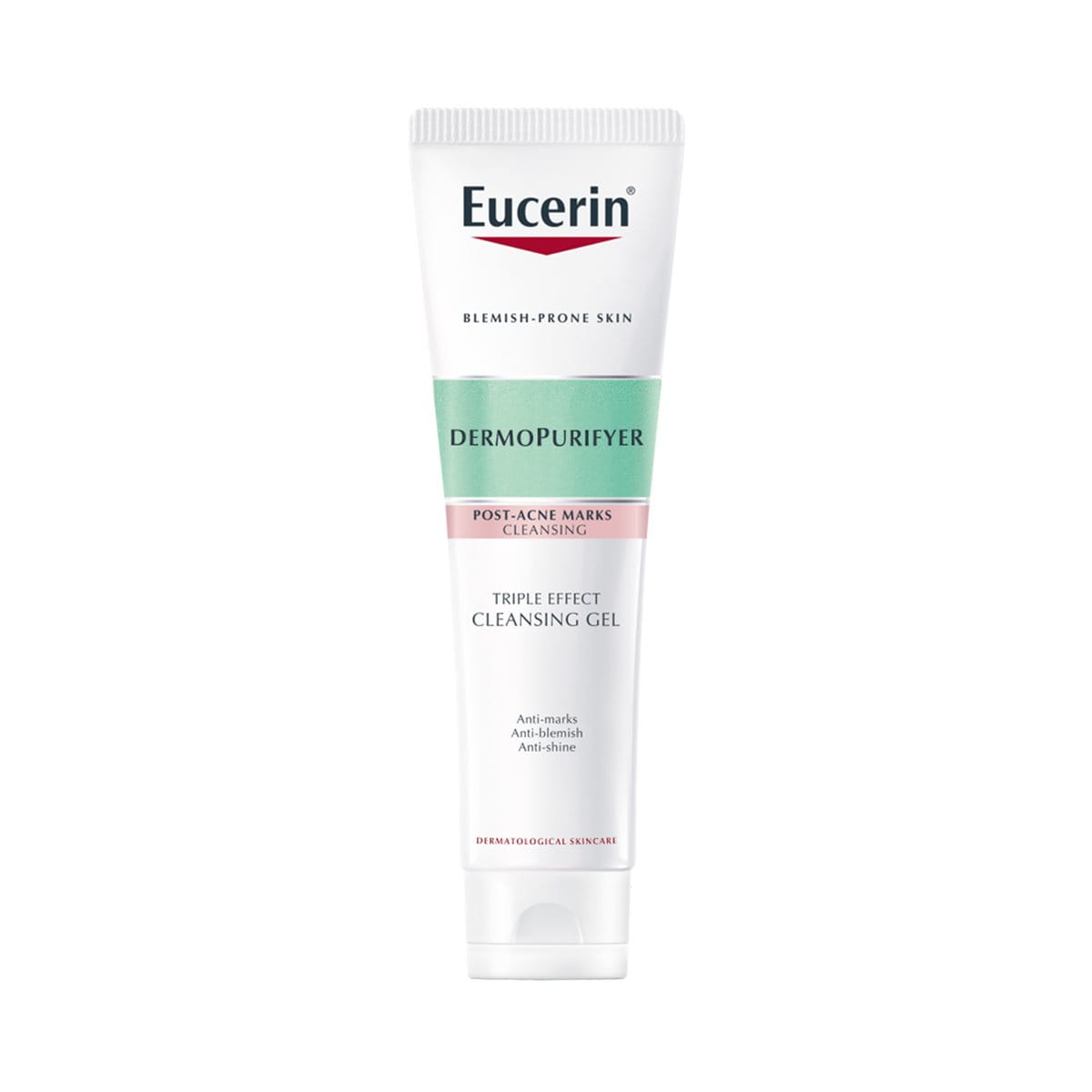
Cleansing is the first step. A cleanser that suits your skin type helps remove impurities without disturbing the skin’s natural oils. If your skin feels stripped or overly tight after cleansing, it might be time to switch to a milder option.

Exfoliation helps remove the dead skin that sits on the surface. This step improves texture more than most people realise. Exfoliation comes in two forms:

  • A physical exfoliant contains small particles that polish the skin. These should be used lightly.
  • A chemical exfoliant uses ingredients like AHAs or BHAs that break down dead skin cells. AHAs work well for dry or dull skin, while BHAs suit congested or oily skin.

You don’t need to exfoliate every day. Two or three times a week is usually enough for most skin types. Over-exfoliating can damage the skin barrier and cause redness.

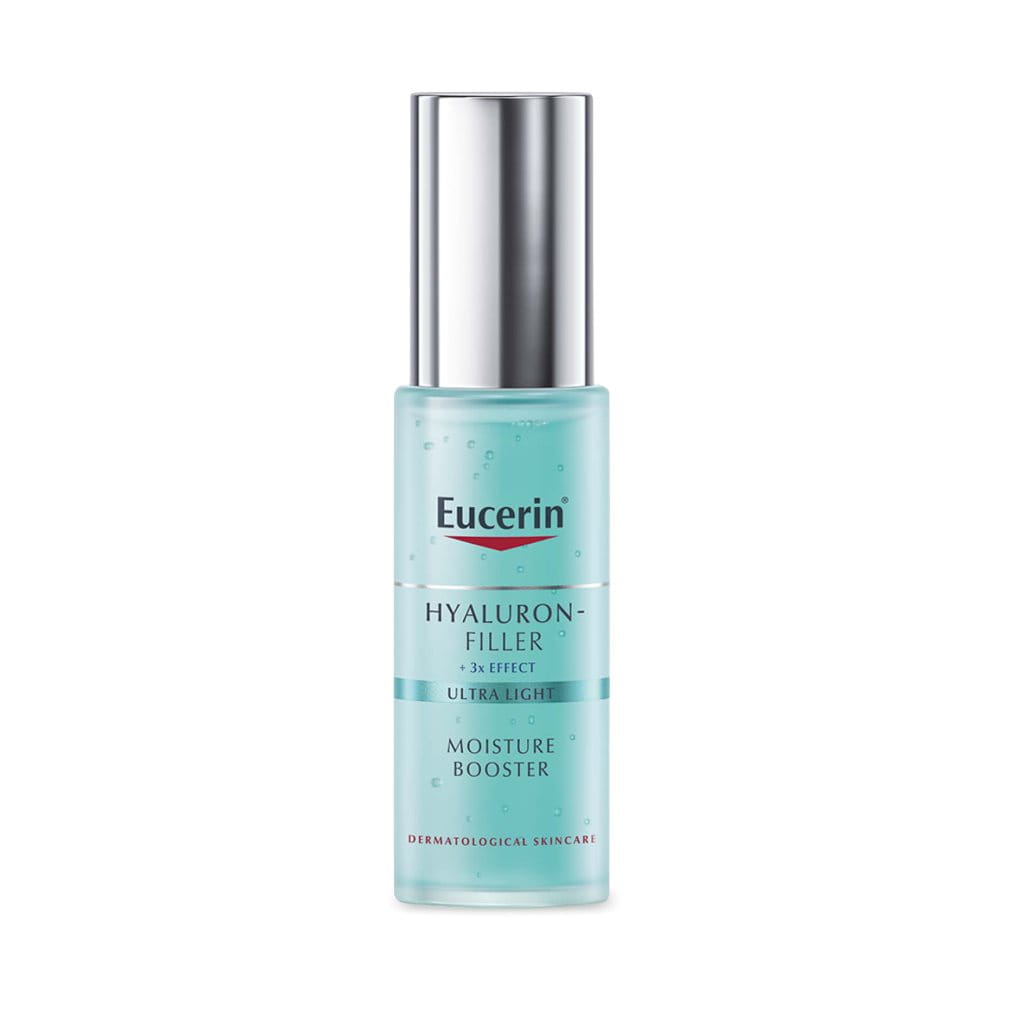
Hyaluron-Filler Moisture Booster Night cream Texture

Moisturising & Minimalist Skincare

Moisturising helps seal hydration into the skin. A good moisturiser makes the face feel comfortable throughout the day. People with dry skin often need a thicker cream, while those with oily or combination skin usually prefer a lighter gel or lotion.

A minimalist routine works well for most people. A simple set of cleanser, moisturiser and sunscreen keeps the skin stable. You can add a serum or treatment later if you feel your skin needs something extra, but introducing too many products at once often leads to irritation. Consistency matters more than the number of products you use.

Home Remedies for Smooth Skin

Some people enjoy trying natural remedies at home. These homemade remedies for smooth skin are gentle and can be combined with your usual skincare routine.

Aloe Vera, Honey, Yogurt, Rice Water

Aloe vera suits most skin types. It cools the skin and provides light hydration. When used regularly, it helps calm redness and supports a smoother texture.

Honey has natural soothing and moisturising properties. It helps soften rough areas and leaves the skin looking fresher. A short honey mask once or twice a week can be helpful.

Yogurt naturally contains lactic acid, which provides mild exfoliation. It removes dead skin gently and supports a more even appearance.

Rice water is used in many cultures as a skincare step. It helps brighten the skin and improve tone. You can apply it with a cotton pad after cleansing.

These remedies work best when you use them consistently and pair them with a simple skincare routine.

Best Products for Smooth & Radiant Skin

When choosing products, look for ingredients that help the skin stay hydrated, calm and balanced. Hyaluronic acid keeps the skin hydrated. Ceramides strengthen the skin barrier. Urea softens rough patches and supports moisture retention. Niacinamide helps refine pores and improve tone. Mild exfoliating acids, when used correctly, support a smoother surface.

Along with a gentle cleanser, a barrier-restoring moisturiser and a broad-spectrum sunscreen, a well-formulated serum adds extra support. A product like the Anti-Pigment Skin Illuminating Serum – Glowing Skin Serum can fit well into a routine for smoother and more radiant skin, especially if you want something that helps even out tone while improving texture.

Conclusion

Smooth skin doesn’t appear overnight. It develops through steady habits, the right products and an understanding of what your skin responds to. Once you know what causes texture changes, you can choose steps that suit your skin type and lifestyle. Whether you prefer simple home remedies or a structured routine, consistency helps your skin stay calm and even. With time and patience, the skin becomes softer and more radiant.

FAQs:

  1. How can I get smooth skin on my face naturally?

    Cleanse regularly, exfoliate gently and use simple natural ingredients like aloe vera or honey. Drink enough water and protect your skin from the sun. Avoid harsh scrubs or very strong products.
  2. What are the best products for smooth and glowing skin?

    Look for products with hydrating and barrier-supporting ingredients such as hyaluronic acid, urea, ceramides and niacinamide. Mild exfoliating acids can also help smooth the skin’s surface.
  3. How can I maintain healthy, smooth skin daily?

    Follow a basic routine of cleansing, moisturising and sunscreen. Stay hydrated, eat a balanced diet and avoid using too many products at once. Consistency helps keep the skin stable and smooth.

Sources

  • nih.gov - Defining Skin Quality: Clinical Relevance, Terminology, and Assessment
  • nih.gov - Urea in Dermatology: A Review of its Emollient, Moisturizing, Keratolytic, Skin Barrier Enhancing and Antimicrobial Properties
  • nih.gov - Honey in dermatology and skin care: a review
  • nih.gov- The Effect of Aloe Vera Clinical Trials on Prevention and Healing of Skin Wound: A Systematic Review
  • Researchgate - Skin Care with Herbal Exfoliants
  • Researchgate - Rice Water: A Traditional Ingredient with Anti-Aging Efficacy