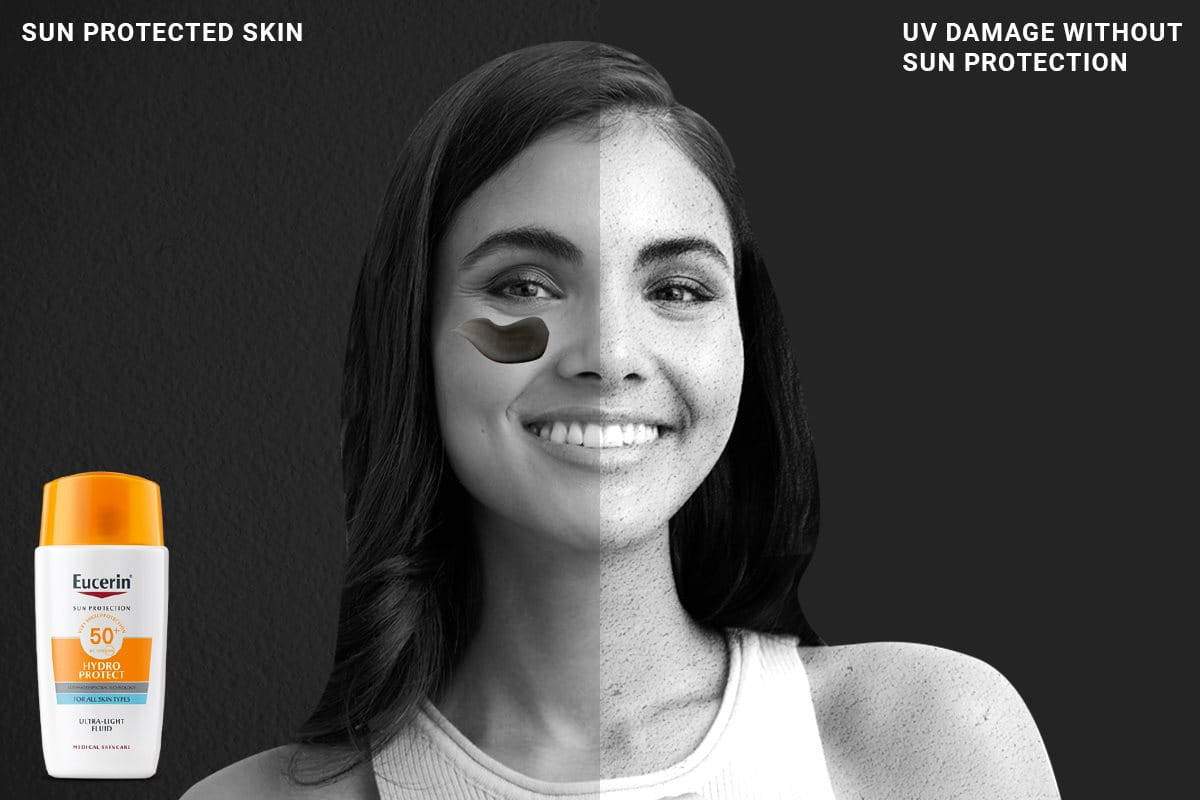
Have you ever noticed your skin turn a shade darker after a day out in the brutal sun? This skin concern is called face tanning, and it's more than just a cosmetic change; it's your body's natural defense mechanism responding to ultraviolet radiation.
While a sun-kissed glow might seem appealing, understanding the nuances of face tanning is essential for maintaining skin health. If you too are troubled with uneven skin tone, persistent tan lines, and lasting pigmentation, then follow along. We will walk you through the causes behind face tanning and the prevention strategies you can adopt to maintain an even, healthy complexion all year long.
Keynotes:
- Face tanning is a natural defensive response where increased melanin production darkens the skin to protect against ultraviolet radiation.
- Beyond UV rays, factors like heat and oxidative stress also contribute to skin tanning and pigmentation.
- To address face tanning, a combination of home remedies and professional treatments can gradually restore an even-toned complexion.
- Preventive measures against facial tanning, such as daily sunscreen use, physical barriers like hats and sunglasses, and dietary antioxidants, are also crucial in maintaining a balanced complexion and reducing the risk of pigmentation.