Women Posing for Eucerin

Sunscreen vs. Sunblock: What's the Difference?

6 min. read
Show more

We’ve all heard that healthy skin care begins with effective sun protection. Whether it’s a bright morning commute or an outdoor activity, safeguarding your skin from ultraviolet (UV) exposure is essential. Among the many protective formulations available, two often-confused options are sunscreen and sunblock.

Although both are designed to shield the skin from UV rays, their mechanisms, ingredients, and applications differ in significant ways. To arm yourself with knowledge, let’s delve into the distinct qualities and benefits of sunscreen vs. sunblock, helping you choose wisely the one that suits your skin type and lifestyle.

Keynotes:

  • Sunscreen uses chemical ingredients to absorb UV rays, while sunblock employs minerals to physically reflect them.
  • Sunscreen suits regular daily use with its lightweight texture, whereas sunblock is preferred for sensitive skin due to its gentle, mineral-based composition.
  • Sunblock provides superior protection for prolonged exposure, offering immediate, long-lasting defense without frequent reapplications.
  • Sunscreen benefits include broad-spectrum protection and seamless integration into daily skincare routines, preventing premature aging and damage.
  • Choose sunscreen for everyday indoor protection and sunblock for intensive sun exposure based on your specific skin needs and lifestyle.

Sunscreen Benefits and Uses

Sunscreen is a chemical formulation that absorbs UV radiation before it can penetrate deeper layers of the skin. These formulations contain specific chemical filters that are designed to interact with UV rays, primarily UVB and UVA radiation.

Common chemical filters include avobenzone, octisalate, oxybenzone and octocrylene. These compounds undergo a photochemical reaction when exposed to sunlight, converting harmful UV energy into negligible heat, thereby protecting the skin from damage.

Sunscreen benefits stem from its ability to provide broad-spectrum protection, meaning it can shield the skin from both UVA and UVB rays. While UVB rays are primarily responsible for sunburn and play a significant role in the development of skin malignancies. UVA rays penetrate deeper into the skin and contribute to premature aging, including the formation of wrinkles and age spots.

One of the main sunscreen benefits is its lightweight texture, which allows for smooth application and easy absorption, a reason why many people prefer sunscreen for everyday use. Individuals experiencing pigmentation may also benefit from pairing sunscreen with brightening solutions like Anti-Pigment Dual Serum or reading guides such as How Sun Exposure Can Cause Dark Spots to support long-term skin goals. Sunscreens are ideal for daily use, especially under makeup or skincare routines.

Regular sunscreen use can also help reduce hyperpigmentation caused by sun exposure and can help maintain the skin's elasticity. You should reach for a higher SPF value, as it can provide you with increased potential protection, though reapplication every two to three hours remains essential for optimal effectiveness.

Sunblock Benefits and Uses

UV rays protected skin

Sunblock, by contrast, acts as a physical barrier on the skin’s surface, reflecting UV rays before they infiltrate the skin. Because it's formulated with mineral ingredients like zinc oxide and titanium dioxide, sunblock offers incredibly robust protection by physically blocking the sun's rays. This immediate, mechanical defense is its main advantage, offering immediate protection without needing a waiting period after application.

Sunblock benefits are rooted in its broad-spectrum protection and gentle formulation, which is generally well-tolerated by individuals with sensitive skin. For example, zinc oxide even has anti-inflammatory properties, making it a great choice if you deal with conditions like rosacea or acne. Plus, titanium dioxide is highly photostable, so you don't have to worry about it degrading in the sun.

Common sunblock uses often include outdoor activities where prolonged sun exposure is inevitable. This ensures you have a safe and reliable shield without needing super-frequent reapplications. While older sunblocks were often chalky, newer formulations now feature micronized or tinted versions that blend much better with your skin tone while keeping their protective strength.

Difference Between Sunscreen and Sunblock

To understand the difference between sunscreen and sunblock, one needs to examine their ingredients, protection type, and skin suitability.

Ingredients, Protection Type, and Skin Suitability

Sunscreen comprises chemical ingredients like oxybenzone and avobenzone, which absorb and dissipate UV radiation. Its formulation caters to an invisible, lightweight protection ideal for daily use, especially under makeup.

On the other hand, sunblock contains physical ingredients such as zinc oxide and titanium dioxide, designed to reflect UV rays. Its opaque, often thicker consistency can be more appropriate for sensitive or irritable skin, providing a reliable barrier with minimal irritation risk.

Sunblock vs Sunscreen: Which Is Better?

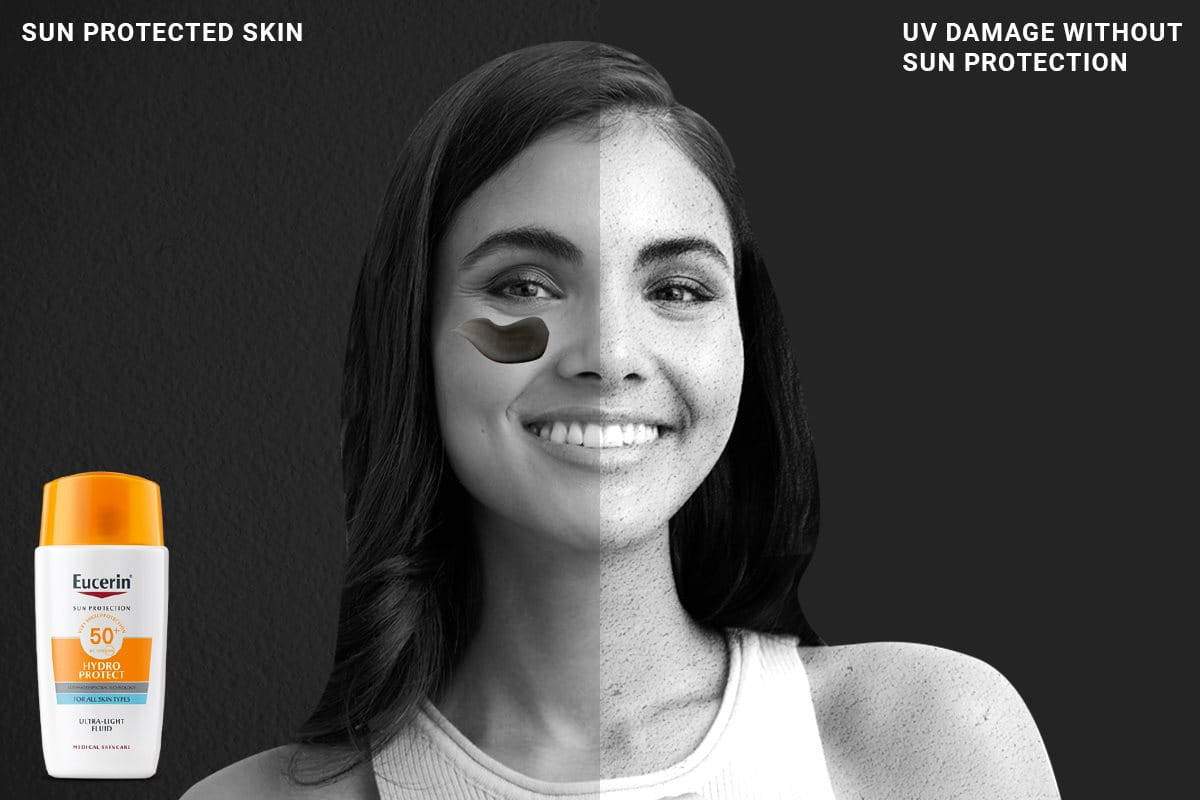
Sun Protected face vs UV damage face

The choice between sunscreen vs. sunblock, which is better, depends on individual needs and preferences. Both offer protection against harmful UV radiation, but their suitability varies.

Sun Protection for Face and Tanning Prevention

In the context of sun protection, both sunblock vs sunscreen, when applied correctly and consistently for face and body, may reduce the chance of sun damage, sun spots and tanning.

Sunscreens tend to offer a smoother, transparent finish ideal for everyday wear under cosmetics. Conversely, sunblocks provide a denser layer, often leaving a mild white cast, but they offer strong protection for sensitive or hyperpigmentation-prone areas. However, no product can completely eliminate tanning; the only way you may get the best out of your product of choice is through stringent application and reapplication.

Ultimately, the "better" option is the one you are most likely to use consistently and correctly. Consider your skin type, sensitivity, and desired cosmetic outcome when making your choice.

How to Choose Between Sunscreen and Sunblock

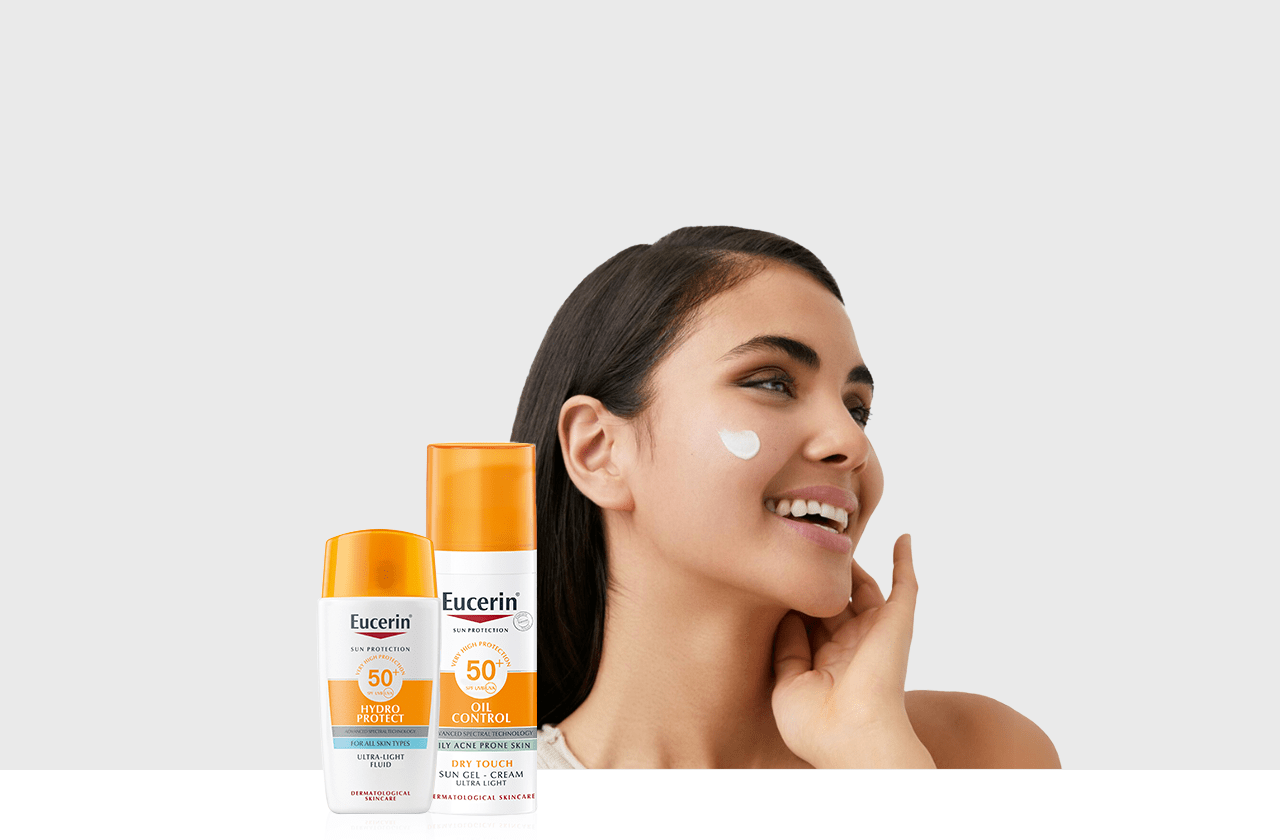
Women with Eucerin Suncreen Products

When deciding between sunscreen and sunblock for the face, consider your specific skin type, environment, and activity level.
For daily use, especially in urban settings with limited direct sunlight, a lightweight broad-spectrum sunscreen with SPF 50 or higher may suffice. These formulations blend well with skincare products, making them ideal for routine application on the face and neck.

For individuals with sensitive or reactive skin, mineral-based sunblocks offer safer alternatives. They are less likely to cause stinging or redness and provide immediate protection after application. When spending extended periods outdoors or in high-altitude areas, a water-resistant sunblock with zinc oxide ensures superior coverage and durability.

For those with sensitive skin, sunblock, with its minimal chemical interference, might be preferable. Evaluate your daily routine and environmental exposure, for instance, if you're outdoors frequently, sunblock offers durable and long-lasting protection. Alternatively, if you seek a product for daily indoor use under makeup, a sunscreen with moisturizing elements and a lighter texture may suffice.

Moreover, one should also be keen about the ingredients in their sun protection and their compatibility with their skin. Avoid formulations containing harsh ingredients, fragrances or alcohol if you have sensitive skin. The correct product not only enhances protection but also improves overall skin tolerance and comfort. This ensures that you use the product consistently for a long period of time.

Conclusion

The debate of sunscreen vs. sunblock does not have a simple one-size-fits-all answer. Both offer indispensable protection against harmful UV rays, with specific benefits making each suitable for different scenarios. Understanding the distinction and recognizing your skin’s unique requirements will guide you to the optimal choice for maintaining skin health and preventing UV-induced damage. Armed with this knowledge, you can confidently step into each day, knowing your skin is well-protected against the sun’s potential dangers. especially when supported by dermatologist-recommended solutions like Eucerin Skincare products.

FAQs:

  1. What is the main difference between sunscreen and sunblock?

    The main difference lies in their modes of protection. Sunscreen uses chemical ingredients to absorb UV rays, while sunblock uses mineral-based agents to physically block and reflect them, offering immediate and visible protection.
  2. Sunblock vs Sunscreen: Which is better for tanning prevention?

    When it comes to sunblock vs sunscreen for tanning, both formulations may reduce the chances, but neither completely prevents it. Consistent use with reapplication is essential to minimize sun damage on the skin.
  3. What are the sunscreen benefits for face protection?

    Sunscreen benefits for face protection include broad-spectrum defense against UVA and UVB rays. These may potentially lower the chances of premature aging and potential skin damage, especially with lightweight formulations that integrate easily into daily skincare routines.

Sources

  • Health.harvard - The science of sunscreen
  • Ijdvl - Sunscreens
  • Mdanderson - How does sunscreen work? Understanding UV protection
  • nih.gov - Review of Fate, Exposure, and Effects of Sunscreens in Aquatic Environments and Implications for Sunscreen Usage and Human Health.
  • nih.gov - Neurotoxic effect of active ingredients in sunscreen products, a contemporary review