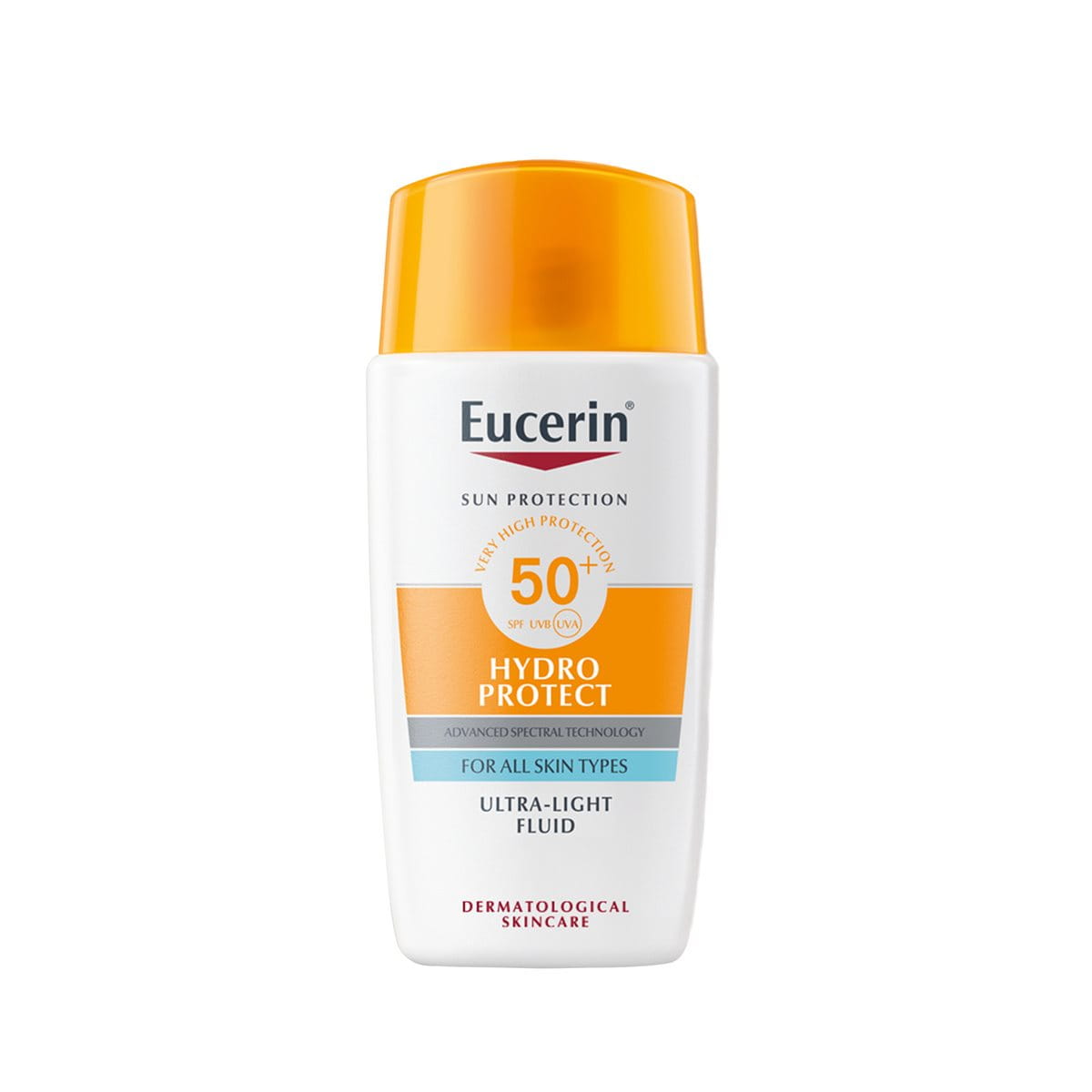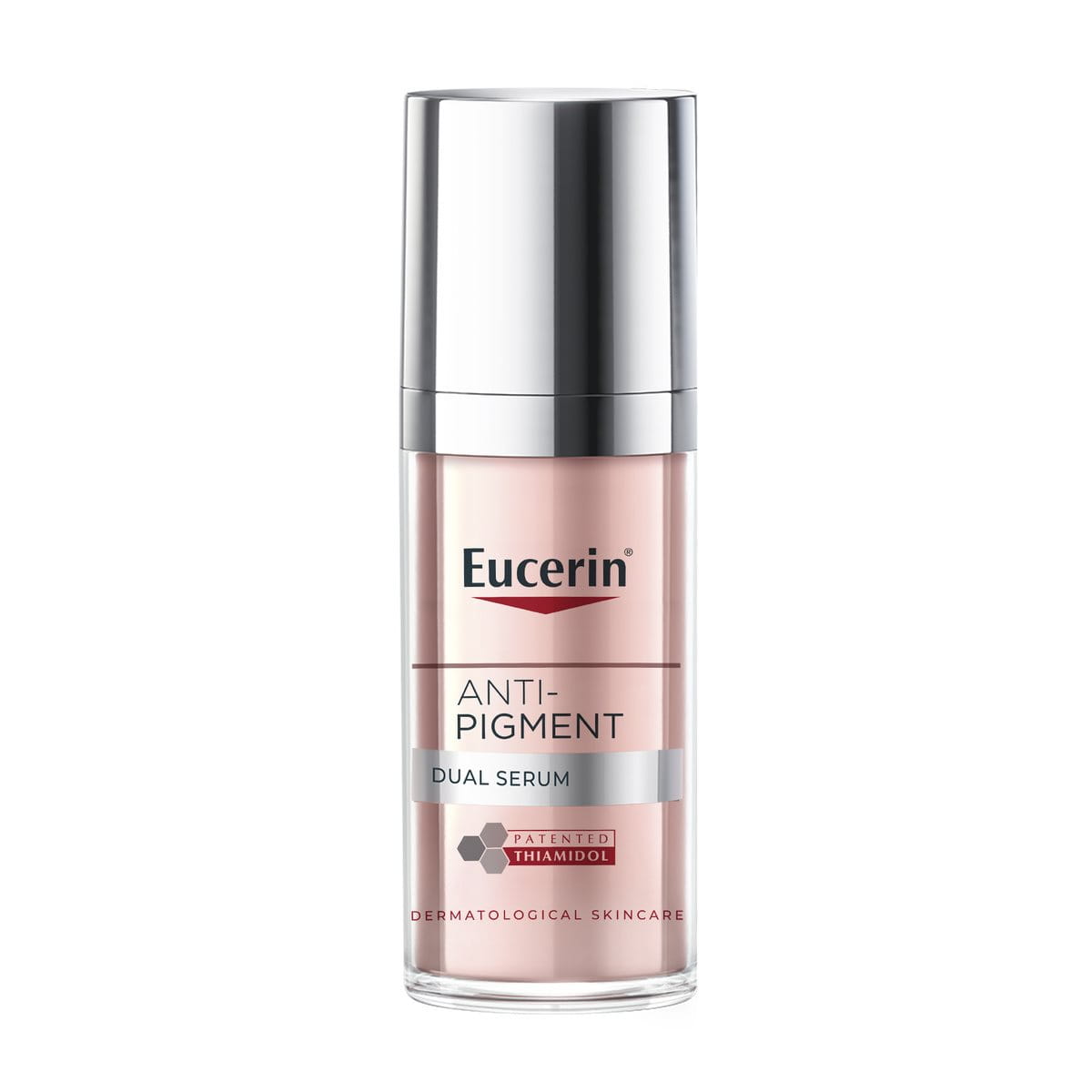
Pigmentation concerns such as dark spots, melasma, and uneven skin tone affect millions of people and often require long-term management. Over the years, skincare actives like vitamin C, niacinamide, and retinoids have become popular solutions. However, a newer ingredient that has gained significant attention for its brightening effects is tranexamic acid for skin, especially in serums and creams.
Dermatologists now consider tranexamic acid a powerful topical agent that targets discoloration at its root. Even though it was originally used in medicine as an oral treatment to reduce bleeding, its benefits extend into dermatology, where it is used to reduce pigmentation, brighten the complexion, and manage melasma non-invasively.
Before we compare tranexamic acid vs thiamidol, a newer depigmenting ingredient, it is essential to understand how tranexamic acid works, how to use it, and whether it is suitable for your skin.
Keynotes:
- Tranexamic acid helps reduce dark spots, stubborn pigmentation, and dullness by targeting melanin formation at a deeper level.
- It is available in multiple forms: Tranexamic acid serum, tranexamic acid cream, and sometimes as oral medication prescribed for melasma.
- When used consistently, tranexamic acid skin benefits include improved brightness, more even tone, and reduced discoloration.
- Thiamidol is another pigmentation-reducing ingredient, and understanding tranexamic acid vs thiamidol helps determine which might be more effective for your needs.