Essential Winter Skin Care Routine for Healthy Skin

6 min. read
Show more

Stop letting winter steal your glow. If you're tired of battling dry, itchy, and dull skin, it's time to refine your strategy. Winter is not a time for simple maintenance; it's an opportunity for a complete skincare upgrade. We're going far beyond basic moisturizers, unpacking the basics of how cold weather impacts the skin, skin barrier and lipid balance.

Ready for a truly resilient, hydrated, and radiant complexion? Let's dive into the best skin treatments and technical insights that turn your winter routine into your best defense all season long.

Keynotes:

  • Cold weather and low humidity may weaken the skin's barrier, leading to increased dryness and sensitivity.
  • To boost skin health, elevate your winter skincare with targeted routines focusing on hydration, barrier repair, and protection.
  • Your skincare routine should contain products rich in humectants, occlusives and anti-inflammatory agents to ensure resilience against harsh winter conditions.
  • Beyond these, consider adopting lifestyle changes such as using humidifiers, avoiding hot showers, and staying hydrated to bolster your skin's defence against winter's harsh conditions.
Why Winter Skincare Is Important

The shift to colder weather brings with it a unique set of challenges for maintaining optimal skin health. Your skin, acting as a biological barrier, maintains internal hydration and protects against external irritants. During winter, this natural defense mechanism is weakened due to environmental factors, necessitating a specialized winter skincare approach.

How Cold Weather Affects Your Skin

During winter, the ambient humidity significantly drops, which reduces the skin’s ability to retain water. This imbalance leads to transepidermal water loss (TEWL), compromising the lipid barrier that safeguards against external irritants.

Inversely, when indoors, the heating systems lower the relative humidity further, essentially pulling moisture from the skin. This causes the stratum corneum to grow dehydrated, disrupting the natural barrier function of the skin. Since the barrier is composed of lipids and natural moisturizing factors (NMFs), it helps in retaining moisture and protecting the skin from external aggressors. When this barrier is compromised, the skin becomes more susceptible to dryness, irritation, and inflammation.

Hence, maintaining proper hydration through humectants, emollients, and occlusives becomes essential. In such times, one should wholly follow a winter skin care routine to reinforce the skin’s lipid barrier, improve elasticity, and support cellular regeneration. All of which can collectively promote healthier skin even in a harsh winter climate.

Common Winter Skin Problems

Our skin’s adaptive mechanisms are significantly challenged during the winter. This gives rise to multiple winter skin problems, such as dryness, flakiness, itchiness, sensitivity and dullness. Here are the features of the skin concerns and ways to identify these issues:

Dryness, Flakiness, and Itchiness

In low-humidity environments, the skin’s lipid barrier, which typically functions to maintain hydration, becomes compromised. This compromise reduces the water-binding capacity within the stratum corneum, resulting in xerosis (extreme dryness). Such dehydrated skin may also exhibit micro-flaking and an uncomfortable sensation of tightness.

Moreover, the lack of natural oils in the skin may also activate sensory nerves, leading to itchiness. Technically, this vulnerability arises because inadequate hydration diminishes the cohesion between corneocytes, increasing the epidermis's susceptibility to external irritants. To mitigate these effects, the topical application of humectants, such as glycerin and hyaluronic acid, in conjunction with occlusives like shea butter or ceramides, is recommended to help restore the barrier function and alleviate associated discomfort.

Dullness, Redness, and Sensitivity

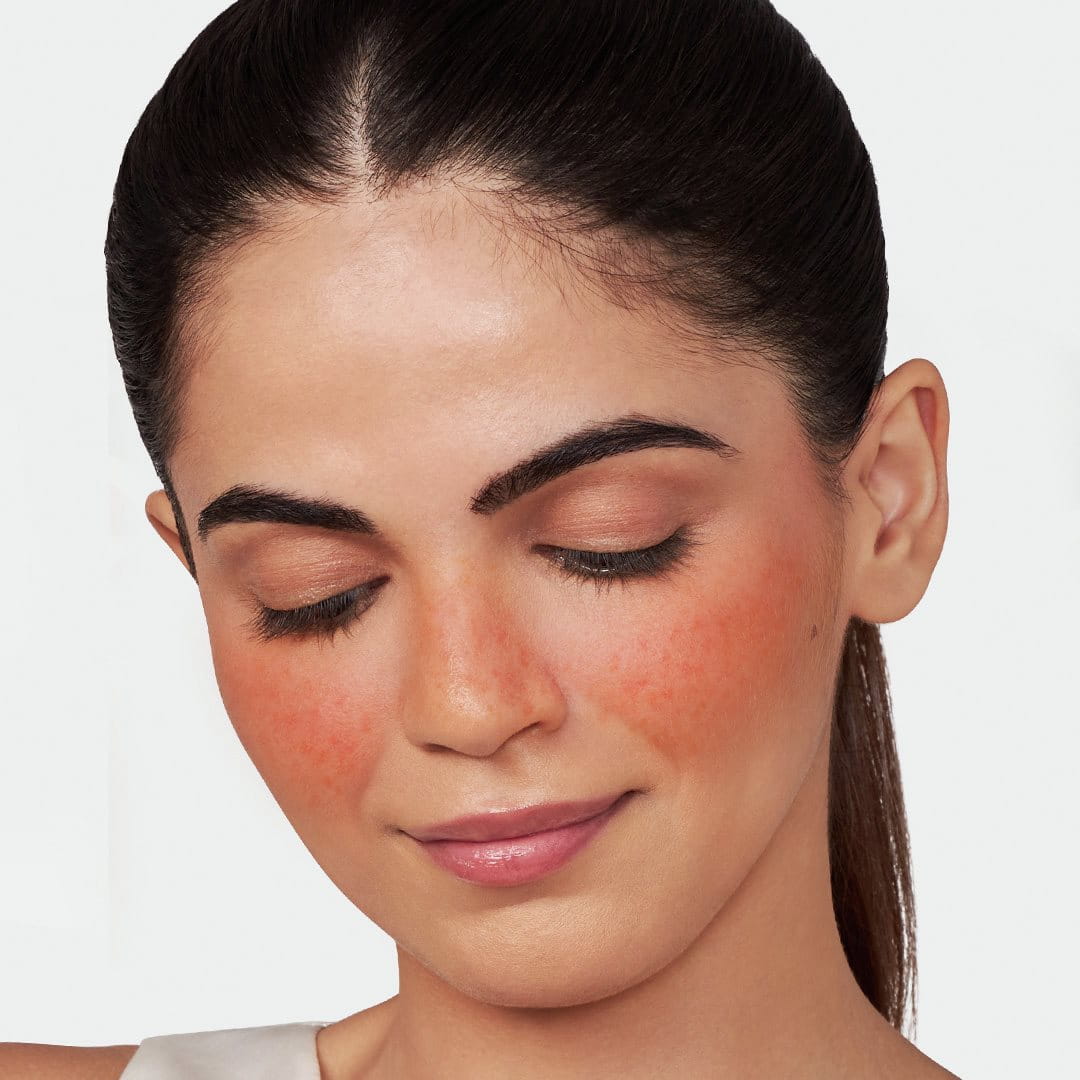
Abrupt changes in temperature and exposure to cold winds can also induce vasoconstriction, potentially restricting the oxygen supply to skin cells. This may make your skin appear dull and contribute to an ashen complexion.

When your skin barrier's integrity is compromised, the cascade effect results in a condition wherein irritants and allergens can affect the skin more easily, often triggering redness and stinging sensations. This is why individuals with pre-existing skin conditions like eczema or rosacea often experience an exacerbation of symptoms during the winter months.

To mitigate these effects, the prime strategy for supporting skin health lies in barrier repair. This necessitates the use of formulations containing soothing and anti-inflammatory agents to restore lipid integrity. Your routine may also incorporate gentle exfoliation and consistent moisturization to promote healthy cell turnover while minimizing irritation to boost your skin's resilience throughout the season.

Best Winter Skin Care Routine

Essential skincare products

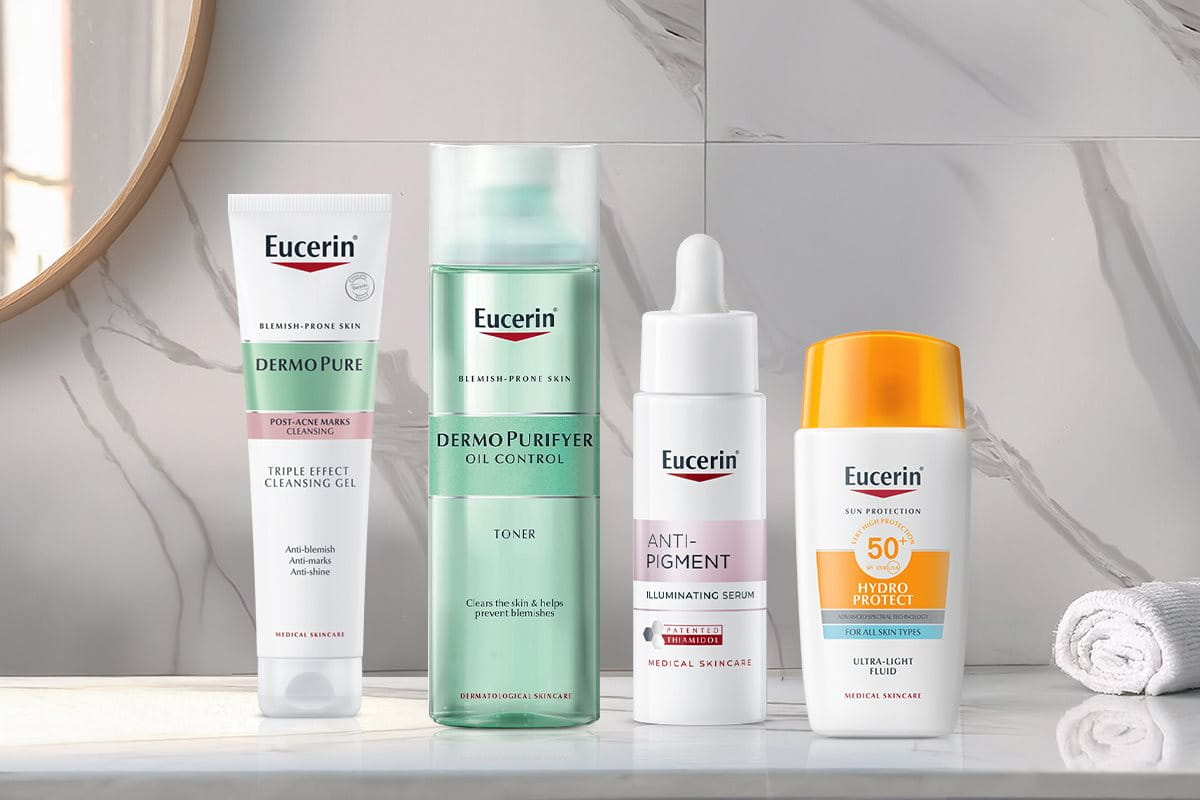
A well-structured winter skin care routine is essential for combating the drying effects of cold weather and maintaining healthy, radiant skin. The focus should be on replenishing moisture, strengthening the skin barrier, and protecting the skin from environmental aggressors.

Morning Routine for Hydration

  1. Start with a mild, non-foaming cleanser that maintains the skin’s pH balance.
  2. Follow with a hydrating toner or essence containing humectants such as hyaluronic acid or panthenol. Apply a winter face moisturizer containing ceramides and emollients to lock in moisture.
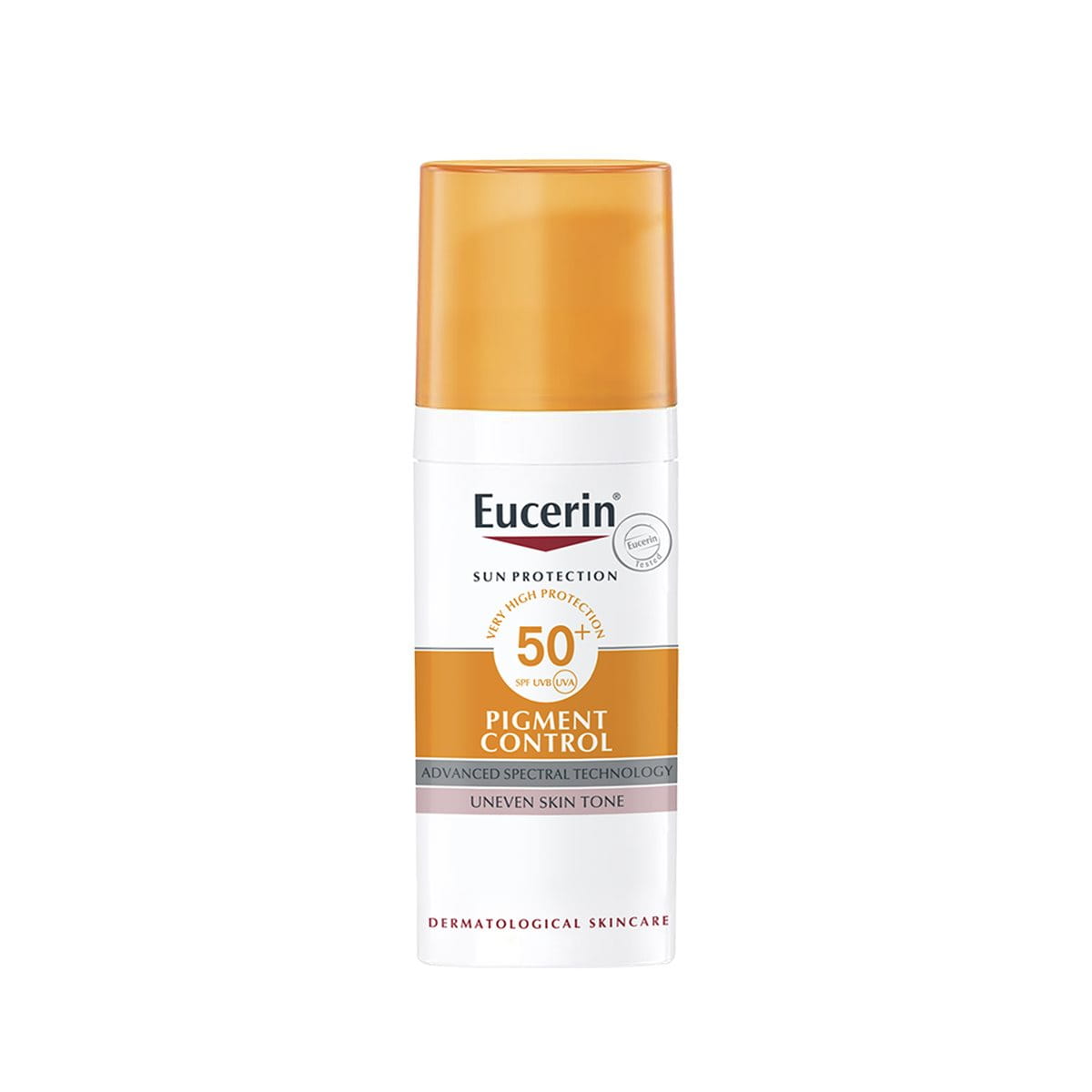
  3. In the daytime, sunscreen remains essential even in winter, as UV rays can still penetrate clouds and cause photodamage.
  4. Finish with a protective lip balm containing beeswax or plant-based oils.

Night Routine for Repair & Protection

  1. At night, cleanse the day's worth of makeup, dirt and sunscreen remnants with an oil cleanser and then a hydrating face wash.
  2. Apply a serum containing antioxidants like vitamin C or retinol to repair damage and promote collagen production.
  3. Immediately follow with a richer winter moisturizer containing occlusives such as ceramides, petrolatum or squalane.
  4. On alternate days or weekly, you may also incorporate face oils to lock in moisture and provide an extra layer of protection.

Best Winter Moisturizers for Healthy Skin

Hyaluron-Filler Moisture Booster Face Gel Routine

The trick to choosing the perfect winter moisturizer lies in understanding your skin's unique needs during the colder months. Generally, one should prioritize formulas rich in a balanced blend of occlusives, emollients, and humectants to achieve comprehensive hydration. Look for ingredients that actively support the skin barrier, like hyaluronic acid and glycerin, in formulations like our Hyaluron range. These essentially supply and lock moisture into the deeper layers of the skin for long-lasting hydration.

Individuals with dry or mature skin should seek out cream-based formulations, thanks to their higher lipid content, allowing for superior nourishment. In contrast, individuals with combination skin may find that lightweight emulsions, like gels or lotions, offer necessary hydration without clogging pores. Focus on regular application to enhance skin elasticity, smoothness, and texture, ensuring a supple and radiant complexion all winter long.

Tips to Protect Your Skin During Winter

Beyond a dedicated skincare routine, several lifestyle adjustments can further protect your skin during the winter months. Try these this winter season:

  • Use a humidifier in your home to help increase indoor humidity levels and reduce the moisture loss from the skin.
  • Avoid taking excessively hot showers or baths, as these can strip the skin of its natural oils.
  • Pat your skin dry after bathing and immediately apply moisturizer to lock in moisture.
  • Wear gloves and scarves to protect your skin from the wind and cold.
  • Stay hydrated by drinking plenty of water throughout the day.
  • Limit your exposure to harsh chemicals and irritants, such as strong detergents and fragrances.

Home Remedies and DIY Winter Skincare

While your winter care products are quite effective to ascertain skin health, you may also supplement your routine with a few home remedies and DIY recipes. Take honey masks, for example. This can help to hydrate and soothe your dry skin since honey is a natural humectant and contains antioxidants that may help to protect against damage.

You may also whip up a DIY facial oil blend using ingredients like rosehip seed oil and jojoba oil with essential oils like lavender. Being lightweight, this fine blend can potentially nourish and protect the skin. Including such DIY remedies and keeping an eye out for sensitivities may improve skin dryness and irritation in winter.

Conclusion

Winter can pose as a critical period that tests the resilience of the skin’s barrier. To avoid the woes that come with the season, one should proactively adopt a structured winter skin care routine that ensures optimal hydration, repair, and protection. From selecting the best winter moisturizer to following consistent care habits, each step can contribute to maintaining healthy, radiant skin even in the chill of winter.

FAQs:

  1. What is the best winter moisturizer for dry and flaky skin?

    The best winter moisturizer for dry and flaky skin includes ingredients like humectants (hyaluronic acid), emollients (shea butter, ceramides), and occlusives (petrolatum). These components help retain hydration, repair the skin barrier, and restore smoothness during cold months.
  2. How can I build a winter skin care routine for glowing skin?

    Use a gentle cleanser, hydrating serum, rich moisturizer and sunscreen in the morning. While at night, one should seek reparative serums and occlusive creams. Being consistent in this winter skincare routine can help promote a healthy, glowing complexion.
  3. What are the most common winter skin problems and their solutions?

    During winters you may experience dryness, flakiness, itchiness, dullness as well as severe skin conditions like eczema, psoriasis, chapped lips, rosacea and even seborrheic dermatitis. Using humectant-rich moisturizers, hydrating cleansers, and protective emollients can help alleviate these skin issues in winter effectively.

Sources

  • Health.harvard - Winter skin woes
  • Sciencedirect - The impact of temperature on the skin barrier and atopic dermatitis
  • Rochester - Braving the Elements: How Winter Weather Influences Skin
  • Aad - Your winter skin survival kit