Lactic Acid vs Glycolic Acid: Key Differences

6 min. read
Show more

When it comes to taking care of one's skin, alpha-hydroxy acids (AHAs) are quite well-known for their ability to rejuvenate skin through controlled exfoliation.

Among them, lactic acid and glycolic acid stand out as two of the most researched and widely used ingredients, often validated for their uses for skin. Though they belong to the same family, they differ in molecular size, penetration depth, and compatibility with skin types.

This blog will break down the difference between lactic acid and glycolic acid, detailing their unique characteristics, applications, and uses for skin to help you make the right choice in building a sound routine.

Keynotes:

  • Lactic acid offers gentle exfoliation and hydration, making it ideal for sensitive and dry skin.
  • Glycolic acid, with its smaller molecule, penetrates deeper for more intensive exfoliation and addresses issues like acne scarring and hyperpigmentation on more resilient skin.
  • Choosing between glycolic acid versus lactic acid depends on your skin type, sensitivity level and specific skincare goals like tackling acne, pigmentation, and anti-aging.
  • Safe and effective use of AHAs requires a gradual introduction, sun protection, and careful monitoring for signs of irritation for a healthier and more radiant skin.
Overview of Lactic Acid Uses for Skin

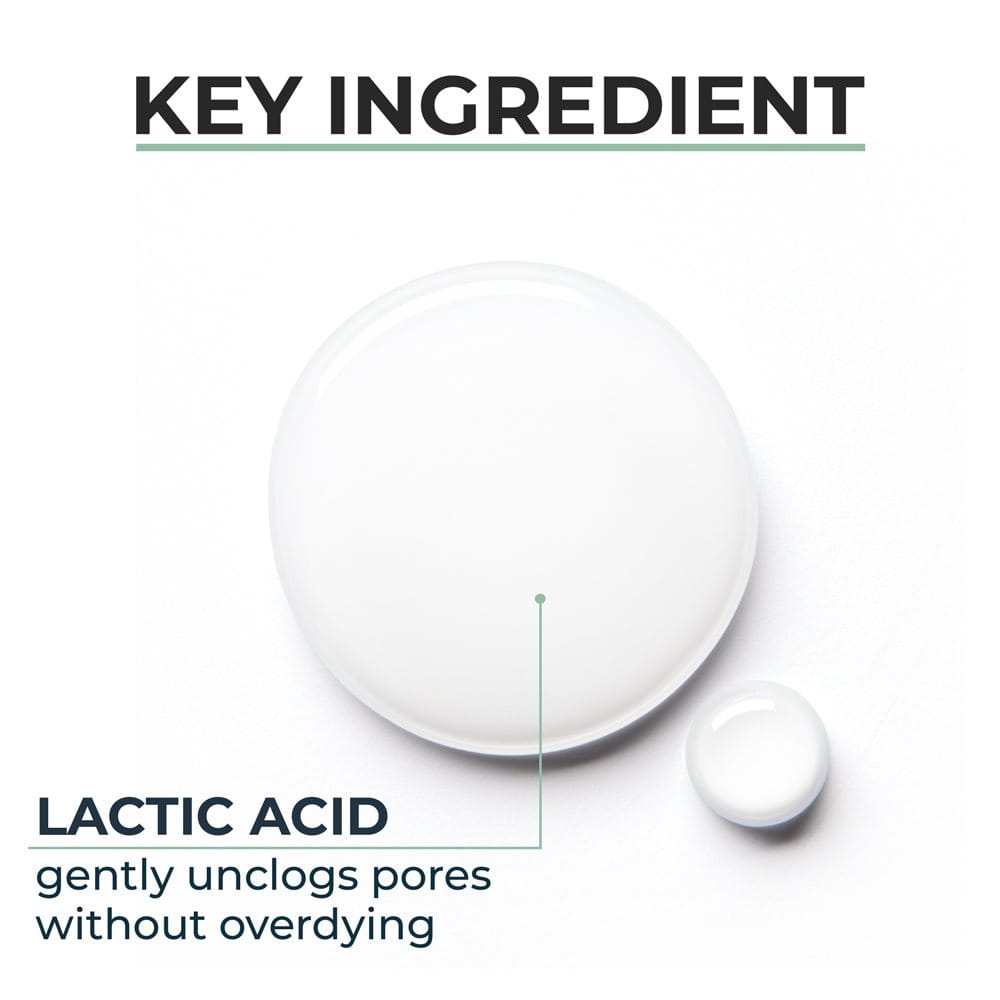
Key Ingredient - Lactic Acid

Lactic acid, primarily derived from milk or fermented plant sources, is an alpha-hydroxy acid (AHA) recognized for its gentle exfoliating capabilities and compatibility with sensitive skin types. This AHA operates through breaking down intercellular bonds between keratinocytes, thereby promoting controlled exfoliation and revealing smoother, more luminous skin texture.

Beyond exfoliation, lactic acid demonstrates antibacterial activity against various dermatologically relevant microorganisms, making it particularly valuable in managing bacterial skin conditions.

The efficacy of lactic acid products, however, largely depends on their concentration. Daily skincare products often feature lower levels (5–10%), supporting mild exfoliation and maintenance of skin tone without causing significant irritation.

At higher strengths (20–30%), when used in professional settings for chemical peels, the acid enhances collagen synthesis, improves skin texture and diminishes fine lines in photoaged skin.

Overview of Glycolic Acid Uses for Skin

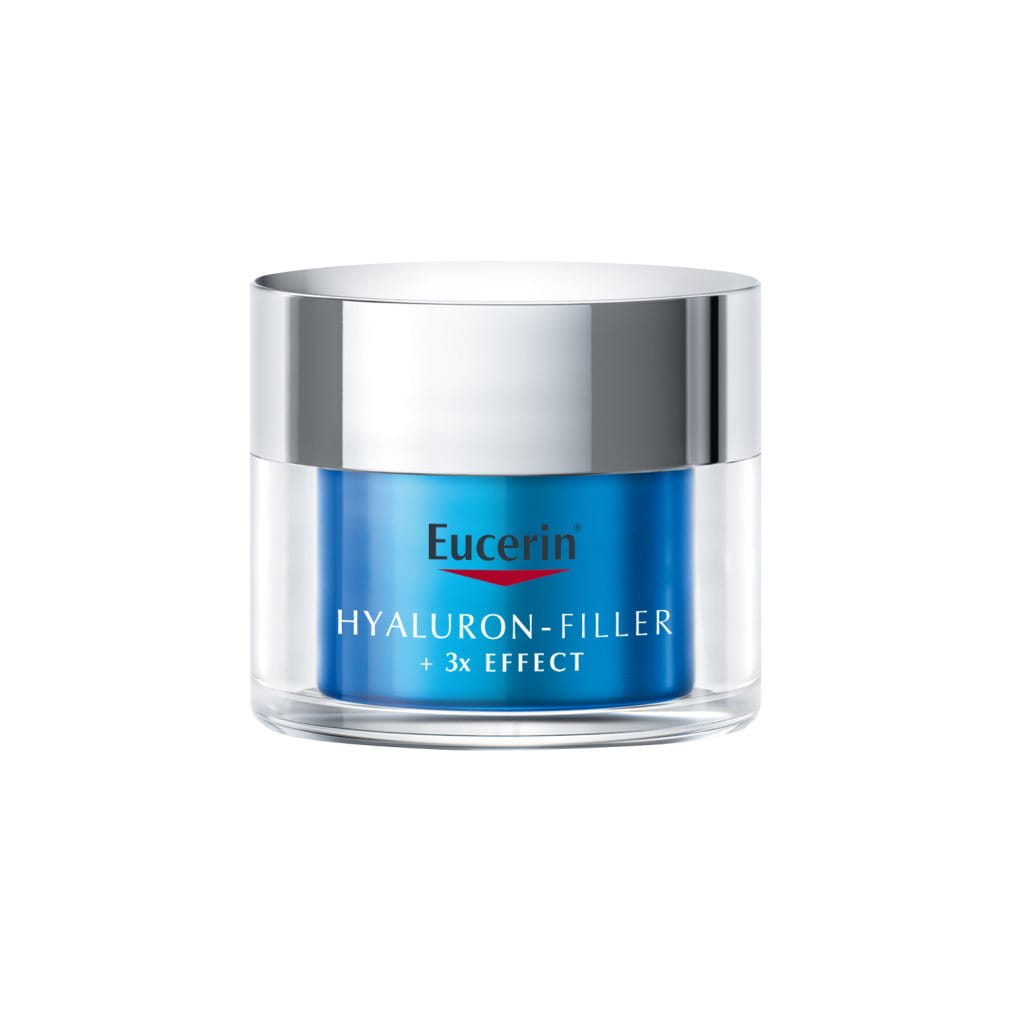
Hyaluron-Filler Moisture Booster Face Gel Routine

Glycolic acid is one of the most frequently utilized alpha-hydroxy acids and is often referenced as a fruit acid due to its natural occurrence in sugarcane. It has one of the smallest and most penetrative molecular acids among all AHAs.

Moreover, the acid is also hydrophilic, which altogether allows it to seep deeper into the stratum corneum and enables more pronounced exfoliating effects compared to larger molecular weight alternatives.

Glycolic acid peels also demonstrate multifaceted therapeutic properties, including anti-inflammatory activity, keratolytic action, and antioxidant functionality. With consistent application or peel treatments, GA has shown significant improvement in post-acne scars, cystic lesions, and post-inflammatory hyperpigmentation.

It does so by gently dissolving the bonds between dead skin cells, helping them shed more quickly and encouraging skin cells (fibroblasts) to stimulate collagen synthesis. These activities thereby boost the overall structure of the skin, leaving it smoother and even-toned.

Lactic vs Glycolic Acid: Which Is Right for You?

When deciding between lactic vs glycolic acid, several factors come into play, including molecular structure, strength, and skin sensitivity:

Texture, Strength, and Skin Type Suitability

Glycolic acid, with its smaller molecular weight, penetrates deeper and works faster, resulting in more intensive exfoliating action suitable for resilient skin types and advanced treatment. This makes glycolic acid particularly effective for individuals with thicker skin, oily complexions, or those requiring deeper exfoliation to address stubborn hyperpigmentation or significant photodamage. However, this potency can irritate sensitive or compromised skin barriers, potentially triggering inflammatory responses.

Lactic acid, on the other hand, is a gentler alternative, attributed to its slightly larger molecular structure (than GA) that limits penetration depth while maintaining effective exfoliation. This property renders lactic acid ideally suited for sensitive skin phenotypes, rosacea-prone individuals, and those new to chemical exfoliation.

Moreover, lactic acid also has humectant properties, which support moisture retention, making it particularly beneficial for dry or dehydrated skin conditions. The acid may potentially produce fewer adverse reactions while delivering comparable improvements in skin texture and tone, which categorises it as the preferred choice for alpha-hydroxy acids in the new age.

Glycolic Acid vs Lactic Acid for Skin Concerns

When comparing lactic vs glycolic acid, it is also beneficial to evaluate their therapeutic benefits across different skin conditions:

Acne, Pigmentation, and Anti-Aging Benefits

The clinical applications of glycolic acid’s uses for skin care are diverse. It performs robustly across multiple dermatological issues; take, for instance, acne management. Glycolic Acid is often favored in this application due to its deeper penetration and comedolytic action, showing measurable improvement in scarring and cystic lesions (comedones, papulopustular variants and nodulocystic acne).

Combination treatment and GA peels also offer significant improvement for skin conditions, such as post-inflammatory hyperpigmentation, superficial scarring, photodamage, sun spots and wrinkles across various skin phototypes.

Lactic acid, in contrast, is a bit gentler in application, providing notable efficacy in pigmentation concerns such as melasma. While it does provide moderate improvement in acne vulgaris, lactic acid is not a go-to treatment for the same. This AHA essentially exfoliates the skin, promoting cell turnover and collagen production to give you smoother, softer and healthier skin.

When it comes to anti-aging, lactic acid is also sought after for moisturizing and cosmetic benefits. Hence, it is commonly used to ease periorbital fine lines and melanosis management, showing improvement with excellent tolerability across diverse skin types.

How to Use These Acids Safely

The debate between glycolic acid versus lactic acid will live on. However, at the end of the day, it is essential to know how to incorporate these tropical solutions into your skincare to minimize adverse reactions. Here are a few tips that you may follow to do so:

Incorporate AHAs into your nighttime skincare routine, immediately before your moisturizer, to support barrier recovery.

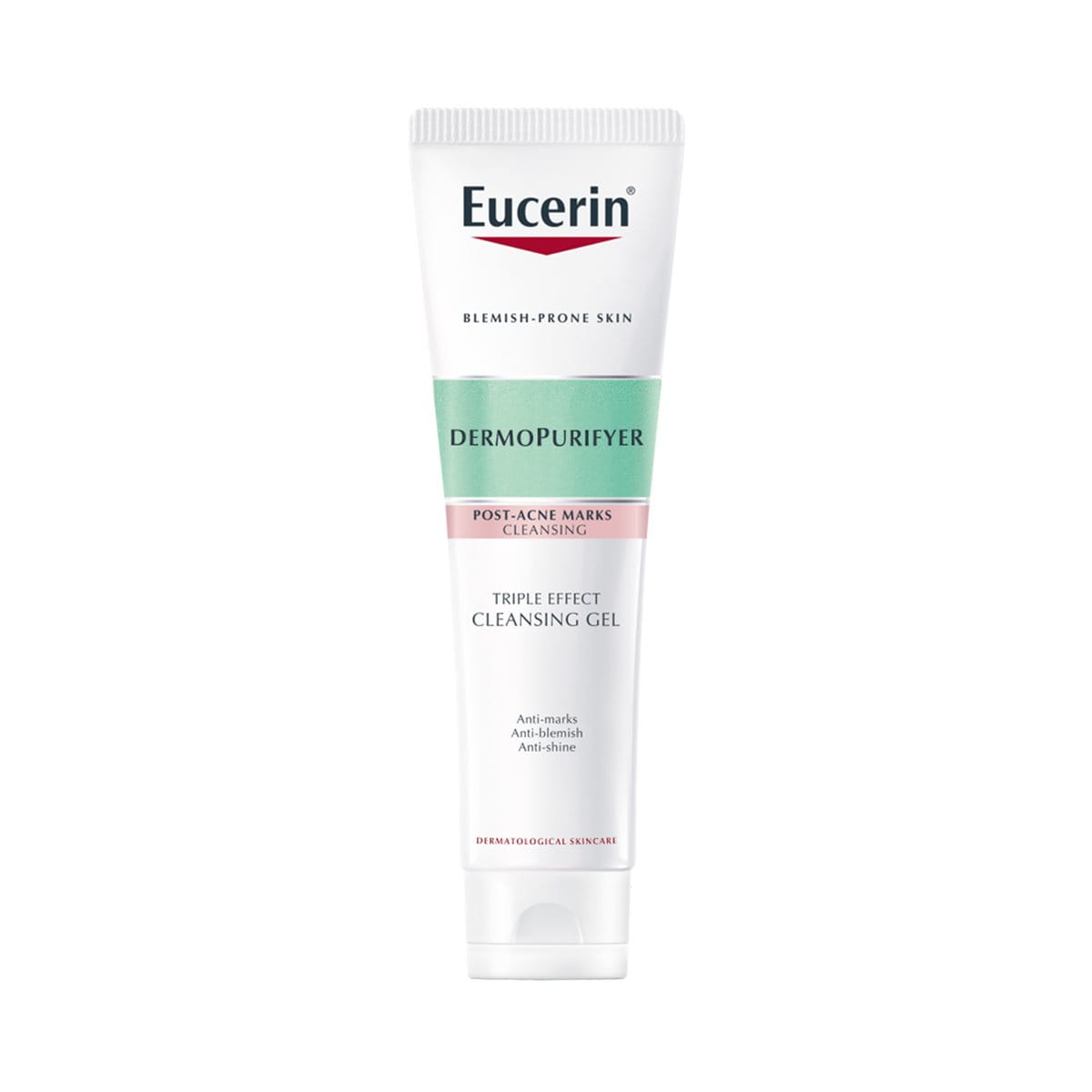
  • At the start, begin your exfoliation journey with a low-concentration formula or wash-off treatment like the DermoPurifyer Triple Effect Cleansing Gel, allowing your skin to adapt to the acid.
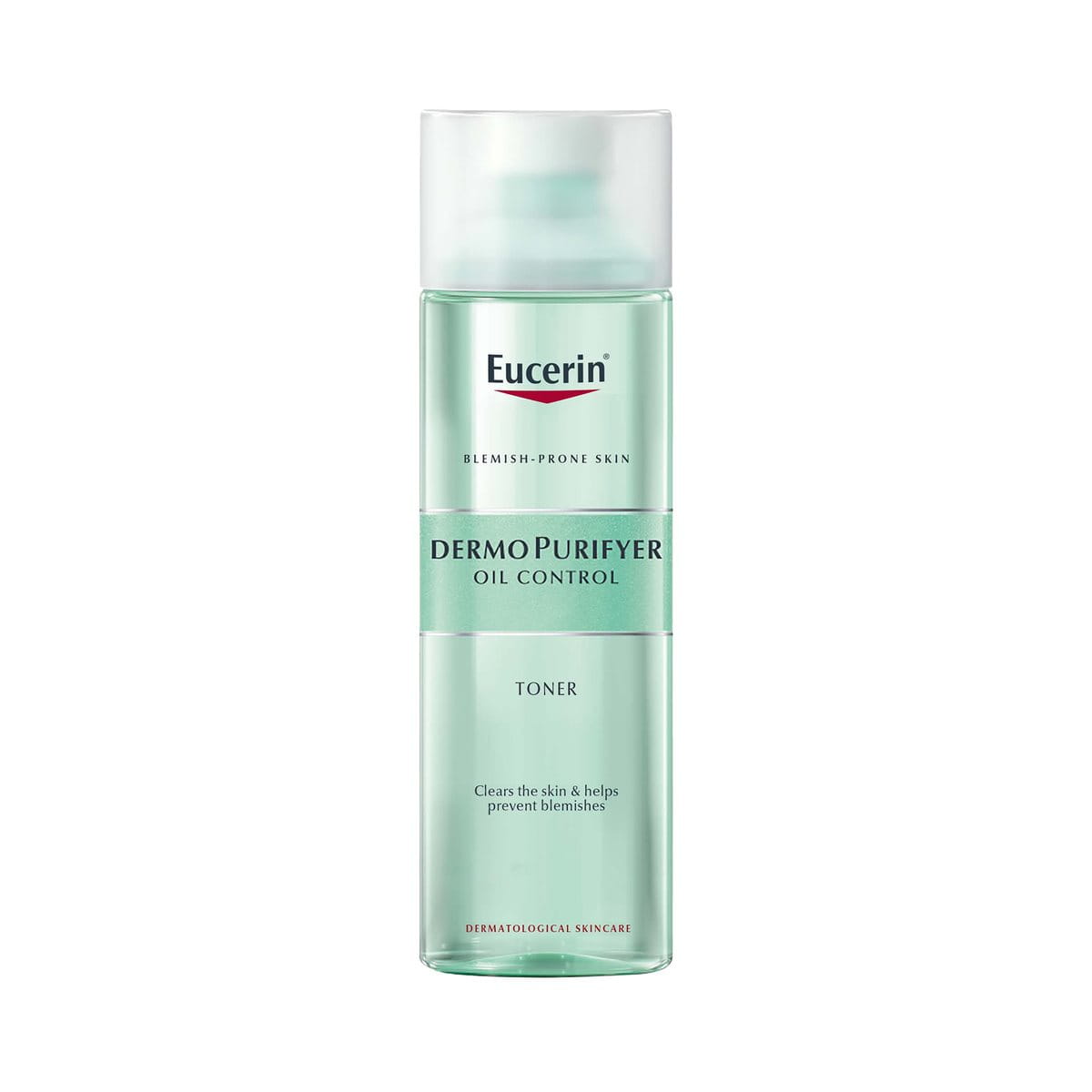
  • When you finally seek to incorporate the AHA into your routine, begin with a gentle toner, such as DermoPurifyer Toner, to assess your tolerance before progressing to higher concentration products.
  • Initial treatments may induce temporary purging, which is often denoted as cell turnover and should resolve itself within 2 to 4 weeks.
  • Regardless of your skin type, always monitor for signs of burning, redness or itching. If you notice any of these, immediately discontinue use of the product.
  • Ensure your skincare routine is simple and consistent to avoid overwhelming your skin and causing barrier overload.
  • When including acids in your routine, always make sure to supplement it with a broad-spectrum sunscreen, as AHAs increase skin photosensitivity.

Conclusion

While the difference between lactic acid and glycolic acid may seem complex, it is essential to understand that, at the end of the day, these are both alpha-hydroxy acids.

Glycolic acid offers intensive exfoliation, and its uses for the skin range from easing advanced acne types to reducing scarring. Lactic acid, on the other hand, has a slightly larger molecular structure and presents humectant properties. This establishes lactic acid uses for the skin more in line with sensitive skin types, combining exfoliation with hydration to improve skin texture and pigmentation disorders.

Making the choice between the two ultimately falls on an individual’s skin type, tolerance and treatment goals for their skin. If you are uncertain in making your pick, you may always consult a qualified dermatologist for the best results.

FAQs:

  1. What is the difference between lactic acid and glycolic acid?

    In the debate between glycolic acid versus lactic acid, the primary difference between the two lies in their molecular size, uses and depth of penetration into the skin. Glycolic acid possesses one of the smallest molecular weights among the alpha hydroxy acids, which makes it easier to penetrate into your skin. On the other hand, lactic acid is slightly larger and provides hydration to the skin as well, making it more suitable for sensitive skin types.
  2. Which is better: Lactic vs Glycolic acid for skin brightening?

    When pitting lactic vs glycolic acid for skin brightness, it is safe to say that both acids effectively possess skin-brightening properties. However, glycolic acid may deliver faster results due to its depth of exfoliation. Lactic acid offers a much milder approach, turning the onus on an individual's skin tolerance and choice of treatment.
  3. Can I use glycolic acid and lactic acid together in skincare?

    While you may use glycolic acid and lactic acid in your skin care, it is recommended not to layer these two acids at the same time. You may space out the application of acids in your skincare routine, alternating on different days for individuals with the resilient skin type. That said, beginners should start with incorporating one acid of lower concentration before combining treatments to avoid potential barrier disruption.

Sources

  • Ijced - A study of efficacy and safety of newer chemical peels for acne vulgaris grade 1 to grade 3
  • nih.gov - Effect of 82% Lactic Acid in Treatment of Melasma
  • nih.gov - Lactic Acid Chemical Peeling in Skin Disorders
  • nih.gov - Glycolic acid peel therapy – a current review
  • Ijdvl - The therapeutic value of glycolic acid peels in dermatology