Women Posing for Eucerin

Vitamin C for Skin: Benefits, Uses & Best Products

6 min. read
Show more

The hype around vitamin C can be seen everywhere, from your fruit juices and supplements to topical actives. It is famous for its capabilities in delivering vibrant, healthy-looking skin by tackling various skin conditions, quite notably hyperpigmentation. If you too have ever sought a solution for uneven skin tone, stubborn dark spots, or simply wished for a brighter, more youthful glow, then you need to grace your routine with the stellar active that is Vitamin C. Follow along with us as we explore the compelling array of vitamin C uses for skin, how it works and what makes it a cornerstone in any sophisticated skincare regimen.

Keynotes:

  • Vitamin C is a vital topical antioxidant that helps fight hyperpigmentation and neutralizes oxidative stress caused by environmental factors, leading to a healthier, more radiant complexion.
  • This active ingredient enhances collagen synthesis, which improves skin texture and elasticity, helping to diminish visible signs of aging like fine lines and wrinkles.
  • Vitamin C is most effective when used in topical serums and supplemented with a healthy dietary intake from foods like citrus, berries, and peppers.
  • To maximize its efficacy and minimize irritation, consistently pair your Vitamin C application with sunscreen, perform patch tests, and consider consulting a professional when combining it with other active ingredients.


What Is Vitamin C and How It Works

Vitamin C, scientifically known as L-ascorbic acid, is a potent antioxidant and an indispensable nutrient for overall human health, with particularly notable effects on the skin.

When applied topically, topical vitamin C formulations deliver this powerhouse ingredient directly to the cellular level, where it can exert its protective and restorative action on the skin. Its primary function involves neutralizing reactive oxygen species (ROS). These are unstable molecules generated by environmental aggressors such as ultraviolet (UV) radiation from sun exposure and pervasive pollutants like smoke. By targeting these free radicals, vitamin C and skin collaboratively mitigate oxidative stress, a leading cause of premature aging and skin damage.

Beyond its antioxidant prowess, vitamin C uses for skin also extend to treating skin concerns such as hyperpigmentation, including sunspots, age spots and melasma. The active works by potentially interfering with tyrosinase, a key enzyme critically involved in the biochemical process for melanin production. The enzyme catalyzes the conversion of tyrosine into precursor molecules that ultimately form melanin. By inhibiting the cascade, vitamin C helps to reduce the overproduction of pigment, leading to a more even skin tone and promoting healthy cell differentiation, which contributes to a more robust and radiant skin barrier.

Vitamin C Benefits for Skin

Flawless Skin Closeup

The extensive vitamin C skin benefits make it a cherished ingredient across various skincare concerns. Here are some of the perks you may experience upon consistent application:

Brightening and Pigmentation Control

One of the most celebrated aspects of vitamin C for skin is its remarkable ability to address hyperpigmentation. Through its inhibitory action on tyrosinase, Vitamin C effectively minimizes the formation of excess melanin. This proves especially helpful for people dealing with post-inflammatory hyperpigmentation or sun damage.

Regular application may lead to a visible reduction in the intensity of existing dark patches and potentially prevent new ones from forming, resulting in a brighter, more luminous, and significantly more even skin tone. This brightening effect contributes to an overall healthier and more vibrant complexion. So, if you’re wondering ‘Is vitamin C good for skin?’ then the answer is an emphatic yes!

Anti-Aging and Collagen Boost

Beyond its pigmentation-reducing capabilities, Vitamin C is a powerful ally in the fight against visible signs of aging. It is a crucial co-factor for the enzymes essential for collagen synthesis, the structural protein that provides firmness and elasticity to the skin. By promoting collagen production, vitamin C for skin helps to improve skin texture, reduce the appearance of fine lines and wrinkles, and enhance overall skin resilience. This makes the skin appear plumper, smoother, and more youthful.

Best Sources of Vitamin C

If you are searching for vitamin C sources, then primarily you may seek the following two options:

Topical Vitamin C Serums

For direct and concentrated delivery of vitamin C for skin, topical serums are generally the most effective method. These formulations, often containing L-Ascorbic Acid or its stable derivatives, are designed to penetrate the skin and deliver a potent dose of antioxidants and brightening agents.

When selecting a topical vitamin C serum, look for formulations that are stable and adequately packaged (e.g., in dark, airtight bottles) to prevent oxidation, which can degrade the ingredient's efficacy. Concentrations typically range from 10% to 20%, with higher percentages often reserved for those with tolerant skin or more significant concerns.

Foods Rich in Vitamin C

While topical application offers direct skin benefits, a holistic approach demands sufficient dietary intake of vitamin C, as the body cannot produce it naturally. Consuming the best foods for vitamin C essentially contributes to an overall well-being, which in turn reflects in your skin's vitality.

Excellent Vitamin C natural sources include a wide array of fruits and vegetables, such as citrus fruits like oranges, lemons, and grapefruits, as well as berries like strawberries, blueberries, and raspberries. You may also find the vitamin in bell peppers (especially red and yellow), kiwi, broccoli, kale, and tomatoes. Integrating these into your daily diet will potentially support not only your skin but also your immune system and overall bodily functions.

How to Use Vitamin C in Skincare

Woman Applying Anti-acne Product

Here are a few ways you may effectively make use of your topical vitamin C serum:

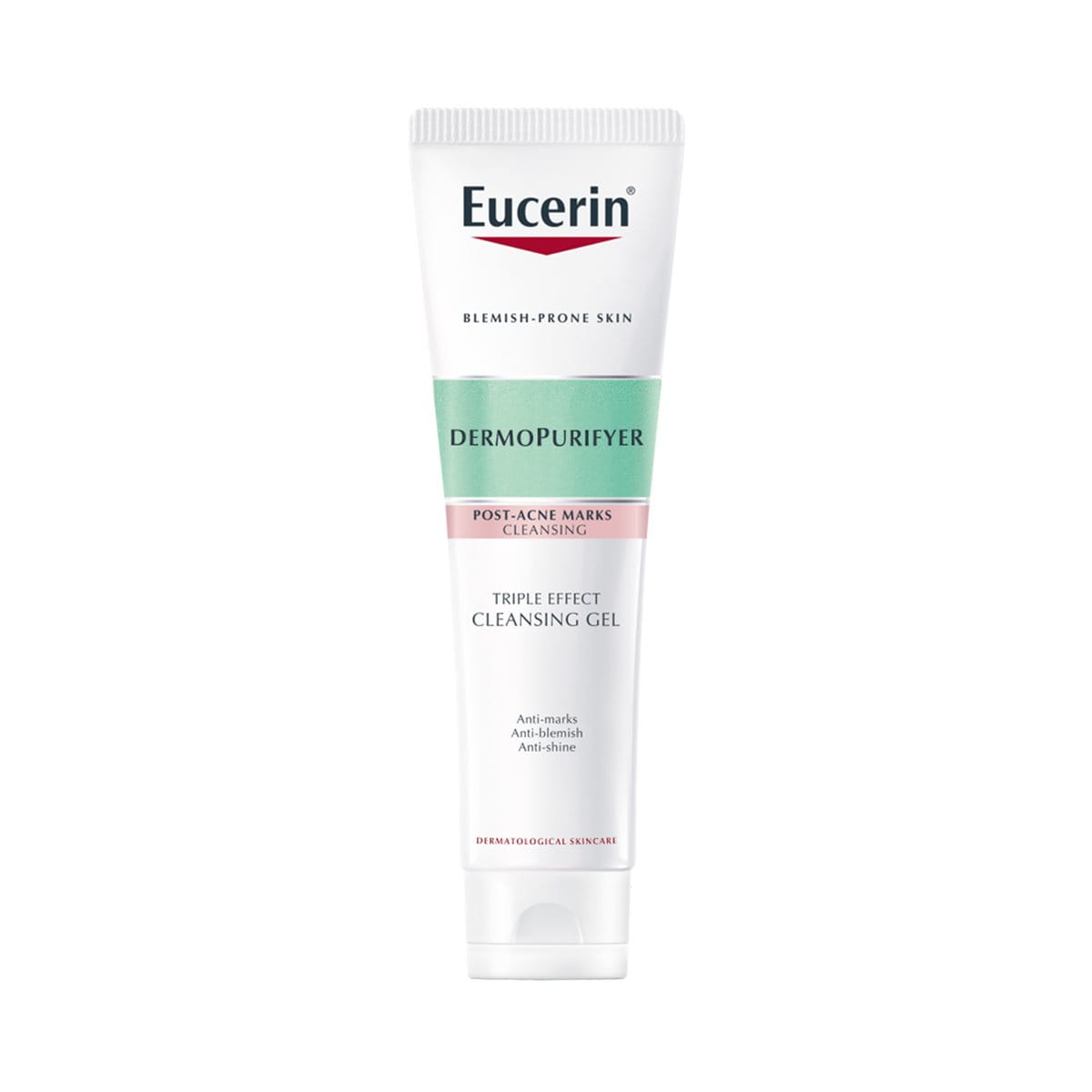
  1. Cleanse your face (DermoPurifyer Cleansing Gel) and dispense a few drops of vitamin C serum onto your damp face. A few drops are usually sufficient for the entire face and neck. Gently pat the serum onto your skin, allowing it to fully absorb before proceeding with your next steps.
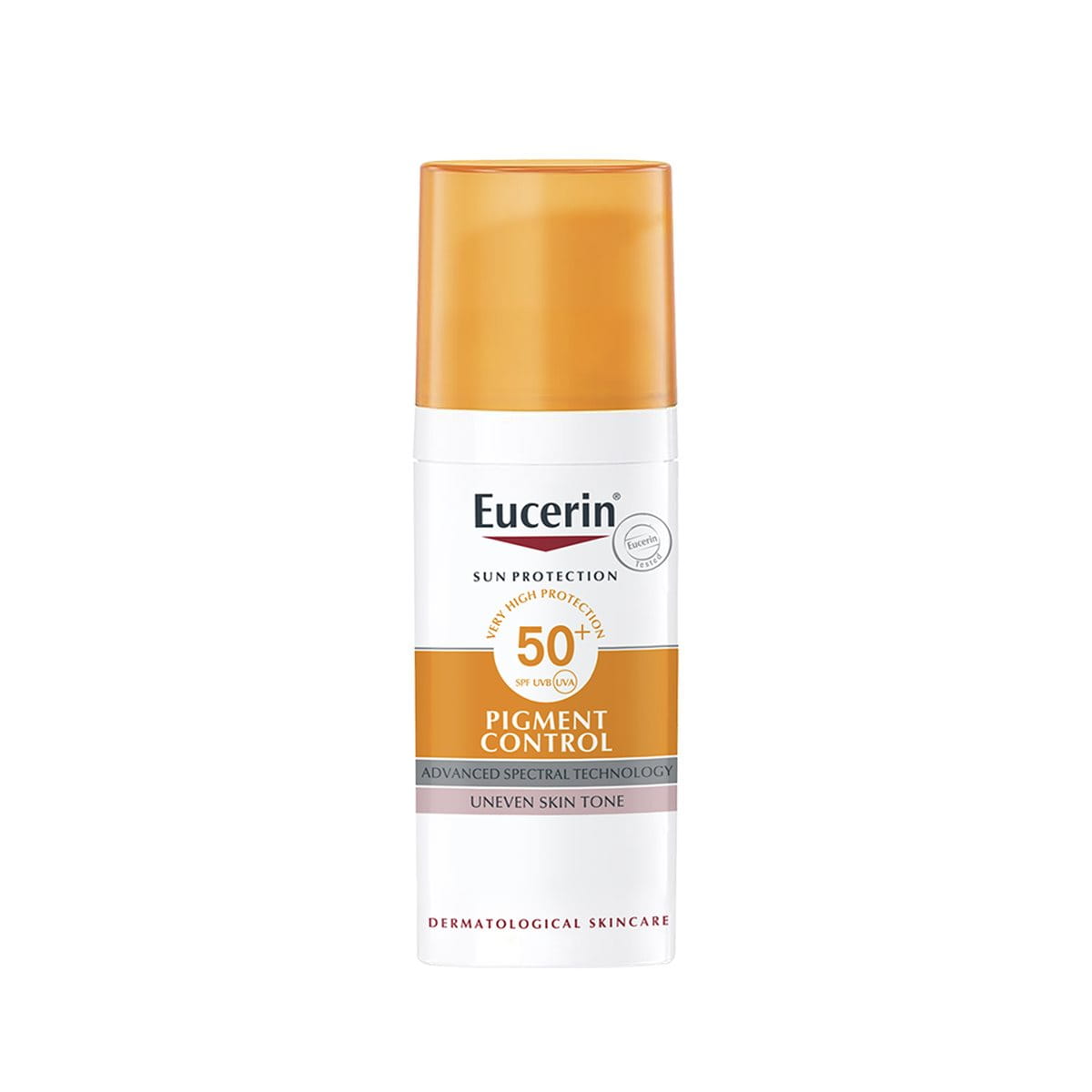
  2. Following with a hydrating moisturizer helps lock in the benefits, and crucially, always finish with a broad-spectrum sunscreen (Sun Face Pigment Control Fluid SPF50+). This pairing is essential because while vitamin C helps protect against sun damage, it can potentially make skin more susceptible to the sun if not properly protected after application.
  3. Beginners should start with a lower concentration serum (e.g., 10%) and gradually increase as their skin adapts to the active. Moreover, if you use other active ingredients like retinoids or exfoliating acids, apply vitamin C in the morning and other actives at night. This separation minimizes irritation while maintaining each ingredient's benefits.

Side Effects and Precautions

While vitamin C for skin is widely celebrated for its benefits, it's prudent to be aware of potentially mild side effects and necessary precautions. When first introducing a topical vitamin C serum, some individuals may experience slight tingling, redness, or dryness, particularly with higher concentrations or if they have sensitive skin. These reactions are often temporary as the skin adjusts. It is always recommended to perform a patch test on a small, inconspicuous area of skin before full facial application to assess individual sensitivity.

Also, ensure your vitamin C for skin product is stored correctly, typically in a cool, dark place, as exposure to light and air can lead to oxidation, reducing its efficacy. Using an expired or oxidized product is less effective and may even contribute to irritation. If you are using other potent active ingredients like retinoids or alpha hydroxy acids, consult with a dermatologist on how best to layer them, as some combinations may increase the likelihood of irritation for sensitive skin types.

Conclusion

Today, vitamin C undeniably stands as a pillar in modern skincare, offering a wealth of benefits for those aspiring to achieve and maintain a healthy, vibrant complexion. Its combined ability to act as an antioxidant, inhibit melanin production, and boost collagen synthesis makes it significant for promoting skin firmness and reducing the visible signs of aging. By incorporating vitamin C for skin in your routine, whether through meticulously chosen topical vitamin C serums or by embracing a diet rich in vitamin C natural sources, you are essentially investing in an ingredient that safeguards your skin's luminosity, health and resilience.

FAQs:

  1. What are the benefits of vitamin C for skin brightening and glow?

    Vitamin C significantly brightens skin by inhibiting tyrosinase, an enzyme crucial for melanin production. This action reduces the formation of dark spots, sunspots, and hyperpigmentation, leading to a more even skin tone and a naturally radiant, luminous glow.
  2. How to use vitamin C serum for reducing dark spots on the face?

    For reducing dark spots, apply a few drops of topical vitamin C serum to a clean, toned face each morning. Gently pat it in, allow absorption, then follow with your moisturizer and a broad-spectrum SPF. Follow this consistently for visible improvement.
  3. Which foods are rich in vitamin C and good for healthy skin?

    Many delicious foods are excellent vitamin C natural sources. For example, your citrus fruits, berries, red and yellow bell peppers, kiwi, broccoli, kale and spinach, papaya, guava, and pineapple are all rich in vitamin C. These whole foods deliver the vitamin and other complementary antioxidants, which can support skin health and enhance nutrient absorption.

Sources

  • health.harvard.edu - Why is topical vitamin C important for skin health?
  • Sciencedirect - Vitamin C: One compound, several uses. Advances for delivery, efficiency and stability
  • nlm.nih.gov - Topical Vitamin C and the Skin: Mechanisms of Action and Clinical Applications
  • nlm.nih.gov - Vitamin C in dermatology
  • onlinelibrary - Efficacy of topical vitamin C in melasma and photoaging: A systematic review